
Blogs
Welcome
A Hidden Gem: Exploring Okutaniyama Foresta🌳

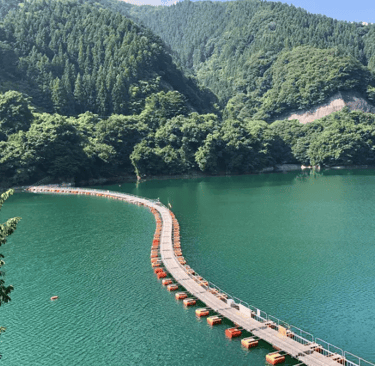
Tucked away from the noise of city life, Okutaniyama Forest is one of those rare places that instantly calms your soul. Located in a lesser-known corner of Japan, this forest isn’t on every tourist’s radar—which is exactly what makes it so special.
As I walked beneath the towering trees, the sunlight filtered through the leaves in golden patches. The only sounds were the rustling of leaves, birdsong, and the gentle whisper of the wind. The forest felt ancient, alive, and deeply peaceful. Every step along its moss-covered trails felt like stepping deeper into a forgotten world.
What I loved most about Okutaniyama was its untouched beauty. There were no loud crowds, no flashy signs—just raw nature. I came across a small stream, its clear water reflecting the sky, and I sat there for a while, breathing in the clean, earthy air.
🌲🌍


Discovering the Wild Heart of California: Angeles National Forest🌳
Tucked just north of Los Angeles, the Angeles National Forest feels like a secret escape from the noise of city life. The moment you leave the traffic behind and head into those winding mountain roads, the air changes. It's cooler, quieter, and full of pine-scented peace.
I remember my first hike there—legs sore, heart full. Whether you're trekking up to Mount Baldy or taking a slow walk near Switzer Falls, the forest offers more than trails. It gives you space to breathe, to think, to feel small in the best way.
Spanning over 700,000 acres, it's not just trees and trails. You'll find waterfalls hidden in canyons, wildlife peeking through brush, and sunrises that paint the sky gold. People come for all reasons—hikers, campers, birdwatchers, or just those needing a break.
And somehow, despite being so close to LA, it feels worlds away. That’s the magic of Angeles National Forest. It reminds us that nature is always near—we just have to look up from our screens and step into it.
🌲🌍
Mrugavani National Park: A Hidden Wilderness Near Hyderabad🌲


Just 20 km from Hyderabad’s chaos, Mrugavani National Park feels like a secret the city forgot to share. This compact yet vibrant forest isn’t about grandeur—it’s about intimate encounters with nature.
Why It Stands Out
- Wildlife Without the Crowds: Spot chital deer grazing freely, peacocks dancing near trails, and the occasional fox darting into the undergrowth. Unlike bigger parks, here you’ll feel like the only visitor.
- Botanical Surprises: Over 600 plant species, including rare medicinal herbs, thrive here. The air smells of earth and wild blooms.
- Quiet Trails: Walk the 3.5 km nature path under dappled sunlight, listening to birdsong instead of traffic.
Know Before You Go
- Timings: 9 AM–5 PM (closed Mondays). Mornings are magical.
- Entry Fee: Just ₹20—nature shouldn’t cost a fortune.
- Pack Light: Carry water, binoculars, and patience. This isn’t a zoo; animals appear on their own terms.
The Magic Moment
At dusk, when golden light filters through teak trees and deer emerge silently, you’ll understand why small forests matter. No safari jeeps, no queues—just raw, unfiltered wilderness.
Perfect for: Solo thinkers, bird nerds, anyone needing a quiet reset.**
🌲🌍
Mahavir Harina Vanasthali National Park: Hyderabad’s Wild Escape🌲


Tucked away in the bustling city of Hyderabad, Mahavir Harina Vanasthali National Park is a serene sanctuary where nature thrives amidst urban chaos. Named after the sacred deer (Harina) and former Prime Minister Kasu Brahmananda Reddy, this park is a haven for wildlife lovers and peace seekers.
Why Visit?
- Spot the Graceful Deer: The park is home to endangered blackbucks and spotted deer, freely roaming in their natural habitat.
- Birdwatcher’s Delight: Migratory birds like kingfishers, peacocks, and parakeets add color and melody to the forest.
- Nature Trails: Walk along shaded pathways, breathing in the fresh air and listening to rustling leaves—a rare luxury in the city.
Best Time to Visit
- Early mornings (6:30 AM – 9:30 AM) or late afternoons (3:30 PM – 5:30 PM) for active wildlife sightings.
- Avoid summers (March-June) as temperatures soar.
Pro Tips
✔ Carry binoculars for better deer and bird sightings.
✔ Photography is allowed, but avoid flash to not disturb animals.
✔ A small museum inside showcases the park’s conservation efforts.
🌲🌍
Arashiyama Bamboo Forest: A Serene Escape in Kyoto🌳


Walking through the towering bamboo groves of Arashiyama feels like stepping into another world. The sunlight filters through the swaying green stalks, casting delicate shadows on the path, while the gentle rustling of leaves creates a soothing, almost musical rhythm. Located on the outskirts of Kyoto, Japan, this enchanting forest is one of the country’s most iconic natural wonders.
Why Visit Arashiyama?
- Magical Atmosphere: The dense bamboo creates a surreal, peaceful environment—perfect for a quiet stroll or meditation.
- Photographer’s Paradise: Morning visits offer soft light and fewer crowds, making it ideal for stunning photos.
- Cultural Experience: Nearby, you’ll find historic temples like Tenryu-ji and the scenic Togetsukyo Bridge, adding depth to your visit.
Tips for the Best Experience
- Go Early: Arrive by 7 AM to avoid tourist crowds.
- Walk Beyond the Main Path: Explore quieter trails deeper into the grove for a more intimate connection with nature.
- Combine with a Rickshaw Ride: Local guides share fascinating stories while pulling you through the forest.
Arashiyama isn’t just a tourist spot—it’s a place where nature and tranquility merge, leaving visitors with a sense of calm long after they leave. Whether you’re a solo traveler, a couple, or a family, this bamboo forest promises a moment of pure serenity.
🌲🌍
The Lone Wolf: Embracing Solitude in a Noisy World🐺


Why Some Choose to Walk Alone
Not every wolf runs with the herd. Some step away—not out of weakness, but self-awareness. The lone wolf isn’t antisocial; it’s selective. It values quality over quantity, deep purpose over mindless belonging.
The Power of Solitude
History’s greatest thinkers, artists, and leaders often walked alone. Solitude fuels creativity, clarity, and resilience. The lone wolf doesn’t wait for validation—it trusts its instincts.
The Misunderstood Spirit
Society labels lone wolves as "aloof" or "lonely," but solitude ≠ loneliness. The lone wolf finds peace in its own company, recharging away from the noise.
Are You a Lone Wolf?
If you’re comfortable in silence, think independently, and march to your own rhythm—you might be one. And that’s not just okay—it’s powerful.
The lone wolf reminds us: sometimes, the strongest howl comes from standing alone.
🌲🌍
The Delicate Dance of Butterflies🦋


There’s something magical about butterflies—their silent flutter, their vibrant wings painting the air. They aren’t just insects; they’re tiny poets of nature, writing verses in flight.
I remember chasing them as a child, my small hands cupped in hope, only to watch them slip away. Now, I admire them from a distance, respecting their fleeting beauty. They teach me about change—how something can start as a crawling caterpillar and transform into a winged wonder.
In my garden, they drift like confetti, sipping nectar from flowers, their delicate legs barely touching the petals. Sometimes, one lingers near me, as if sharing a secret. I hold my breath, afraid to scare it away.
Butterflies don’t live long, but their brief lives are a reminder: beauty doesn’t need eternity. A single moment of grace can linger in memory forever.
So I plant flowers they love—marigolds, lavender, milkweed—not just for them, but for myself. A garden without butterflies feels incomplete, like a sky without stars.
Maybe we’re all a little like them—searching for light, dancing through storms, and leaving traces of color behind.
🌲🌍
The Enchanted Valdivian Rainforests: A Hidden Treasure🌳


Tucked away in southern Chile, the Valdivian Rainforests whisper secrets of an ancient world. Towering trees, draped in moss, stretch toward the sky like wise old guardians. The air hums with life—birds chatter, rivers sing, and the earth breathes beneath your feet.
This isn’t just a forest; it’s a living storybook. Some trees here have stood for thousands of years, watching history unfold. The shy monito del monte, a tiny marsupial, darts through the undergrowth, while the majestic Andean condor soars above. Every step feels like a discovery.
But the rainforest speaks softly, and we must listen. Logging and climate change threaten its magic. Yet, hope lingers—conservationists and locals work tirelessly to protect this sanctuary.
🌲🌍
A Day in the Heart of the Ituri Rainforest🌳


The Ituri Rainforest hums with life—birds chatter, insects buzz, and leaves rustle under the footsteps of forest elephants. Here, sunlight filters through the dense canopy, painting the ground in dappled gold.
For the Mbuti people, this forest is home. They move with quiet grace, their laughter blending with the calls of monkeys overhead. Children play by crystal-clear streams, while elders share stories under ancient trees. Every plant has a purpose—medicine, food, or shelter—learned through generations.
Walking deeper, the air thickens with the scent of damp earth and blooming flowers. A sudden rain shower drums on broad leaves, turning paths into glistening trails. Even the storms feel alive, nourishing the land.
At night, the forest transforms. Fireflies flicker like stars, and distant leopard calls send shivers down the spine. Around a small fire, voices rise in song, thanking the forest for its gifts.
🌲🌍
Discovering Mato Grosso: Where Nature and Culture Embrace🌳


Mato Grosso is Brazil’s wild heart—a place where endless wetlands, dense Amazon forests, and golden savannas stretch as far as the eye can see. Here, the Pantanal pulses with life: jaguars prowl, macaws paint the sky, and rivers teem with caimans. It’s raw, untamed beauty.
But this isn’t just a land of nature. Cowboys, or peões, still ride across vast ranches, keeping traditions alive. Indigenous communities share stories of resilience, their cultures woven into the land. Cuiabá, the spirited capital, buzzes with open-air markets and arroz com pequi—a local dish that tastes like sunshine.
Adventure calls at every turn. Fish for piranhas in the Paraguay River, trek through Chapada dos Guimarães’ red cliffs, or simply lose yourself in a sunset that sets the horizon on fire. Mato Grosso doesn’t just welcome you—it changes you.
🌲🌍
Exploring Kakadu National Park: A Wild Adventure🌳

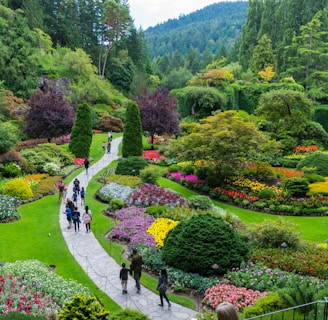
Kakadu National Park in Australia’s Northern Territory isn’t just a park—it’s a breathtaking blend of ancient culture, rugged landscapes, and incredible wildlife. As a UNESCO World Heritage site, it’s home to Aboriginal rock art dating back thousands of years, sprawling wetlands, and dramatic waterfalls.
Why Visit Kakadu?
- Ancient Art: Walk through Ubirr or Nourlangie and witness stunning Aboriginal rock paintings that tell stories older than the pyramids.
- Wildlife Galore: Spot saltwater crocodiles lazing in billabongs, colorful birds like the rainbow bee-eater, and maybe even a wallaby hopping by.
- Waterfalls & Swimming Holes: Cool off at Gunlom Falls’ infinity pool or feel the mist of Jim Jim Falls after a scenic hike.
Best Time to Go?
Visit in the dry season (May–October) for easier access to trails and waterfalls. The wet season (November–April) transforms Kakadu into a lush paradise, but some areas flood.
Final Thoughts
Kakadu isn’t just a park—it’s an experience. Whether you’re a history lover, adventure seeker, or just want to disconnect in nature, this place leaves you in awe. Pack your hat, respect the land, and let Kakadu’s magic sink in.
🌲🌍
Exploring Taman Negara: A Wild Escape into Malaysia’s Ancient Rainforest 🌳


Stepping into Taman Negara feels like entering another world—one where towering trees, some over 130 million years old, whisper secrets of a time before humans. This pristine rainforest in Malaysia is one of the oldest on Earth, and trust me, it’s an adventure you won’t forget.
Why Visit?
- Jungle Treks & Canopy Walks: Walking across the world’s longest canopy walkway (530m!) with the forest floor far below is both thrilling and humbling.
- Wildlife Encounters: If you’re lucky, you might spot tapirs, macaques, or even a stealthy leopard (though they’re masters of hiding).
- River Safaris & Night Jungle Walks: The Tembeling River is your highway into the wild, and after dark, the forest comes alive with glowing fungi and curious creatures.
Local Vibes
The Orang Asli (indigenous people) still live here, and visiting their villages offers a glimpse into a way of life deeply connected to nature.
Final Thoughts
Taman Negara isn’t just a park—it’s a living, breathing ancient world. Whether you’re trekking, camping, or just listening to the jungle’s symphony, this place leaves you in awe of nature’s raw beauty.
🌲🌍
Discover the Enchanting Beauty of Jog Falls Forest🌳


Nestled in the heart of Karnataka, Jog Falls Forest is a mesmerizing escape into nature’s embrace. As you step into this lush green haven, the symphony of rustling leaves and chirping birds welcomes you, instantly calming your soul. The forest, surrounding the majestic Jog Falls, is a treasure trove of biodiversity, offering a serene retreat for nature lovers and adventurers alike.
Walking through the forest trails, you’ll be greeted by towering trees that seem to whisper ancient secrets. The air is fresh, carrying the earthy scent of damp soil and wildflowers. If you’re lucky, you might spot playful monkeys swinging through the branches or colorful butterflies fluttering by. The forest comes alive during the monsoon season, with vibrant greenery and the roaring sound of the falls in the distance, creating a magical atmosphere.
Jog Falls Forest isn’t just a place; it’s an experience. Whether you’re seeking solitude, a family picnic, or a chance to reconnect with nature, this forest offers it all. As you leave, you’ll carry with you the tranquility of the woods and the memory of its untouched beauty. It’s a reminder of how nature, in its purest form, can heal and inspire.
🌳🌍
Exploring the Heart of Gadchiroli: A Forest Like No Other🌲🌍


Nestled in the lush embrace of Maharashtra, Gadchiroli’s forests are a hidden gem waiting to be discovered. As you step into this green paradise, the air feels different—pure, untouched, and alive with the whispers of ancient trees. The forest isn’t just a place; it’s a living, breathing entity that tells stories of resilience and beauty.
Walking through the dense canopy, sunlight filters through the leaves, painting the ground in golden hues. The chirping of birds and the rustling of leaves create a symphony that feels like nature’s own lullaby. Every step brings you closer to the soul of Gadchiroli—a place where time slows down, and the modern world fades away.
But Gadchiroli’s forest isn’t just about scenic beauty. It’s home to vibrant tribal communities who have lived in harmony with nature for generations. Their wisdom and traditions are woven into the very fabric of this land, reminding us of the delicate balance between humans and the environment.
Visiting Gadchiroli is more than a trip; it’s an experience that touches your heart. It’s a reminder of the wild, untamed beauty that still exists in the world—a beauty worth preserving for generations to come.
🌲🌍
Exploring the Mystical Danakil Depression: A Journey into Earth’s Most Alien Landscape🌳


Nestled in the heart of Ethiopia, the Danakil Depression is a place that feels like it belongs to another planet. Known as one of the hottest, lowest, and most inhospitable places on Earth, this surreal landscape is a testament to nature’s raw power and beauty. Imagine vast salt flats shimmering under the sun, bubbling lava lakes, and neon-colored hot springs that seem to defy reality. It’s a place where the Earth’s crust is thin, and the ground beneath your feet feels alive.
For centuries, the Danakil Depression has been a land of extremes. The Afar people, who call this region home, have adapted to its harsh conditions, extracting salt from the plains and trading it across the region. Their resilience is a reminder of humanity’s ability to thrive even in the most challenging environments.
Visiting the Danakil Depression is not for the faint-hearted. Temperatures often soar above 50°C (122°F), and the air is thick with the scent of sulfur. Yet, for those who dare to venture here, the rewards are unparalleled. It’s a place where you can witness the Earth’s geological processes in real-time, a living laboratory that offers a glimpse into the planet’s fiery core.
The Danakil Depression is more than just a destination; it’s an experience that humbles and inspires. It reminds us of our planet’s incredible diversity and the delicate balance that sustains life. For adventurers and dreamers alike, this otherworldly landscape is a must-see, a place where the boundaries of imagination and reality blur.
🌲🌍
Exploring the Enigmatic Hoia Baciu Forest: A Journey into the Unknown🌲


Nestled in the heart of Transylvania, Romania, the Hoia Baciu Forest is often referred to as the "Bermuda Triangle of the Carpathians." This mysterious woodland has captivated the imaginations of locals, tourists, and paranormal enthusiasts alike. With its twisted trees, unexplained phenomena, and eerie atmosphere, it’s no wonder this forest is shrouded in legend.
Walking into Hoia Baciu feels like stepping into another world. The trees grow in strange, unnatural shapes, and the air seems heavier, as if the forest itself is watching you. Many visitors report feelings of unease, sudden temperature drops, or even unexplained apparitions. Some claim to have seen UFOs hovering above the treetops, while others speak of hearing whispers or feeling an invisible presence.
Scientists have tried to unravel the mysteries of Hoia Baciu, but answers remain elusive. Strange magnetic anomalies, unidentifiable light orbs, and even cases of missing time have been documented. Yet, despite its spooky reputation, the forest is also a place of beauty. Sunlight filtering through the twisted branches creates an otherworldly glow, and the silence is both haunting and peaceful.
Whether you’re a skeptic or a believer, a visit to Hoia Baciu Forest is an unforgettable experience. It’s a reminder that, even in our modern world, some mysteries remain unsolved, and nature still holds secrets we may never fully understand.
🌲🌍

Exploring the Mystical Tsingy Forest: A Journey Like No Other🌴


Nestled in the heart of Madagascar, the Tsingy de Bemaraha National Park is a place that feels like it belongs to another world. The word "Tsingy" translates to "where one cannot walk barefoot," and it’s easy to see why. This UNESCO World Heritage Site is a labyrinth of jagged limestone peaks, deep canyons, and hidden caves, creating a landscape that’s both breathtaking and intimidating.
Walking through the Tsingy Forest is like stepping into a surreal dream. The razor-sharp limestone formations, some reaching up to 70 meters high, glisten under the sun, creating a dramatic contrast against the lush greenery that clings to life in the crevices. The air is filled with the sounds of rare wildlife—lemurs leaping from tree to tree, birds chirping melodies unique to this isolated ecosystem, and the rustle of leaves as chameleons and other creatures go about their day.
For adventurers, the Tsingy offers a thrilling experience. Suspended bridges and narrow pathways wind through the peaks, offering jaw-dropping views of the forest below. It’s a place that demands respect and curiosity, reminding us of the raw beauty and mystery of nature. Visiting the Tsingy Forest isn’t just a trip—it’s an unforgettable journey into the wild heart of Madagascar.
🌲🌍

Wandering the Woods: A Journey Through the Forest🌳


There’s something magical about stepping into a forest. The moment you enter, the world outside fades away, replaced by the soothing symphony of rustling leaves, chirping birds, and the gentle crunch of twigs underfoot. Forests are more than just clusters of trees—they’re living, breathing ecosystems teeming with life and stories waiting to be discovered.
Every forest has its own personality. Dense, misty woods feel like stepping into a fairy tale, while sun-dappled groves invite you to pause and breathe in the earthy scent of moss and pine. The towering trees, some centuries old, stand as silent guardians, their roots intertwined like a hidden network of secrets.
Forests are also home to countless creatures, from playful squirrels to elusive deer and vibrant birds. Each one plays a role in this delicate balance, reminding us of nature’s interconnectedness. Walking through the woods, you might stumble upon a babbling brook, a carpet of wildflowers, or even the occasional mushroom ring—nature’s way of surprising you.
But forests are more than just beautiful; they’re vital to our planet. They clean the air, store carbon, and provide habitats for countless species. As you wander through the woods, take a moment to appreciate its quiet wisdom and timeless beauty. After all, the forest isn’t just a place—it’s an experience.
🌲🌍

Rare and Exotic Animals You’ve Never Heard Of


The natural world is full of wonders, and some of its most fascinating creatures remain hidden from the spotlight. Let’s dive into the lives of a few rare and exotic animals that might surprise you.
First, meet the Pink Fairy Armadillo. This tiny, pastel-colored creature, native to Argentina, is no bigger than your hand. It spends most of its life burrowing underground, making it a rare sight even for researchers.
Next, the Sunda Colugo, also known as the “flying lemur,” glides effortlessly through Southeast Asian forests. Despite its name, it’s not a lemur and doesn’t truly fly—it uses a large membrane to glide between trees, almost like a living kite.
Then there’s the Saiga Antelope, with its peculiar, bulbous nose that looks like something out of a sci-fi movie. This nose helps filter dust and regulate temperature in the harsh Central Asian steppes. Sadly, it’s critically endangered due to poaching and habitat loss.
Finally, the Aye-Aye, a nocturnal lemur from Madagascar, has a long, bony finger it uses to tap on trees and extract insects. Its eerie appearance has made it the subject of local superstitions.
These animals remind us of the planet’s incredible diversity and the importance of protecting these hidden gems before they vanish forever. Nature’s creativity knows no bounds!
🌲🌍

Eagle : A Comprehensive Overview🦅


Eagles are majestic birds of prey known for their strength, keen eyesight, and soaring flight. Belonging to the family Accipitridae, they are found across various continents, including North America, Europe, Asia, and Africa. Eagles are apex predators, playing a crucial role in maintaining ecological balance by controlling populations of smaller animals.
There are over 60 species of eagles, with the Bald Eagle and Golden Eagle being the most iconic. The Bald Eagle, symbolizing freedom and power, is the national bird of the United States. Eagles are characterized by their large size, powerful talons, and hooked beaks, which make them formidable hunters. They primarily feed on fish, small mammals, and other birds.
Eagles are also known for their impressive nesting habits. They build massive nests, called eyries, on cliffs or tall trees, often reusing and expanding them over years. Their exceptional vision, about 4-5 times sharper than humans, allows them to spot prey from great distances.
Unfortunately, many eagle species face threats from habitat destruction, pollution, and illegal hunting. Conservation efforts, such as legal protection and habitat restoration, have helped some populations recover. Eagles continue to inspire awe and symbolize resilience, making them a vital part of our natural heritage. Protecting these magnificent birds ensures the health of ecosystems worldwide.
🌲🌍

Exploring the Congo Rainforest: A Journey into the Heart of Nature🌳


The Congo Rainforest, often referred to as the "lungs of Africa," is one of the most biodiverse and awe-inspiring places on Earth. Spanning across six countries in Central Africa, it is the second-largest tropical rainforest in the world, after the Amazon. My journey into this lush, green paradise was nothing short of magical, filled with sights, sounds, and experiences that left me in awe of nature's wonders.
As I ventured deeper into the forest, the dense canopy above filtered the sunlight, creating a serene, almost mystical atmosphere. The air was thick with the scent of damp earth and blooming flowers, and the symphony of bird calls, insect hums, and distant animal roars was both thrilling and calming. Every step revealed something new—vibrant butterflies, towering mahogany trees, and hidden streams teeming with life.
The Congo Rainforest is home to incredible wildlife, including gorillas, forest elephants, and okapis. Spotting a family of gorillas in their natural habitat was a highlight of my trip. Watching them interact, care for their young, and move gracefully through the forest was a humbling reminder of how connected we are to the natural world.
However, the rainforest faces threats from deforestation, mining, and climate change. Witnessing this fragile ecosystem firsthand made me realize the urgent need to protect it. The Congo Rainforest is not just a treasure trove of biodiversity; it’s vital for the planet’s health. My journey was a call to action—to cherish and safeguard this incredible gift of nature.
🌲🌍

The Crooked Forest: Nature’s Mysterious Masterpiece🌲


Hidden in western Poland, near the town of Gryfino, lies the Crooked Forest—a grove of pine trees that defy nature’s norms. With their bizarre, curved trunks, these trees have puzzled visitors and scientists alike for decades.
Each of the 400 trees in this forest bends sharply at the base, forming a distinctive "J" shape before growing straight upward. The reason behind this unusual phenomenon remains a mystery. Some believe it was human intervention, with farmers shaping the trees for furniture or shipbuilding. Others think natural forces, like heavy snowfall or soil conditions, caused the curves. Whatever the reason, the Crooked Forest feels like a place where nature decided to play by its own rules.
Walking through this forest is like stepping into a fairy tale. The twisted trunks create an otherworldly atmosphere, inviting curiosity and wonder. It’s a reminder that nature is full of surprises, and even the most ordinary things can hold extraordinary secrets.
The Crooked Forest is more than just a tourist attraction; it’s a symbol of resilience and adaptability. These trees, despite their unusual shapes, have grown tall and strong, standing as a testament to nature’s ability to thrive in the face of the unexpected.
Visiting the Crooked Forest is not just about seeing something unique—it’s about embracing the mystery and beauty of the natural world. It’s a place that inspires awe and reminds us that life, like these trees, can take unexpected turns and still flourish.
🌲🌍

The Black Forest: A Timeless Enchantment🌲


Nestled in the heart of Germany, the Black Forest (Schwarzwald) is a magical realm of towering pines, rolling hills, and picturesque villages. Known for its dense, dark woodlands that inspired countless fairy tales, this region is a haven for nature lovers and adventurers alike.
The Black Forest is more than just a scenic wonder; it’s a living, breathing part of local culture. Quaint villages like Triberg and Freiburg offer a glimpse into traditional German life, with their half-timbered houses, cozy bakeries, and the aroma of freshly baked Black Forest cake. The forest is also home to cuckoo clocks, a craft that has been perfected here for centuries.
For outdoor enthusiasts, the Black Forest is a paradise. Hiking trails wind through lush greenery, leading to serene lakes like Titisee and Schluchsee. In winter, the forest transforms into a snowy wonderland, perfect for skiing and snowboarding.
But what truly makes the Black Forest special is its timeless charm. Whether you’re exploring its hidden waterfalls, savoring local delicacies, or simply breathing in the crisp, pine-scented air, the forest has a way of making you feel connected to something greater.
The Black Forest is not just a destination; it’s an experience that stays with you, a reminder of nature’s beauty and the simple joys of life. It’s a place where stories come alive, and memories are made.
🌲🌍

Sambisa Forest: A Place of Mystery and Resilience🌳


Sambisa Forest, located in northeastern Nigeria, is a vast expanse of dense woodland that has captured global attention for its complex history and significance. Once a thriving wildlife reserve, it is now more commonly associated with conflict and resilience.
The forest, spanning over 1,300 square kilometers, is home to diverse flora and fauna, including rare species of birds and mammals. However, in recent years, it has become infamous as a stronghold for insurgent groups. Despite this dark chapter, the forest remains a symbol of hope and survival for many.
Local communities living around Sambisa have shown incredible strength, adapting to the challenges posed by its troubled history. For them, the forest is not just a battleground but a part of their heritage and livelihood. They rely on its resources for sustenance and continue to preserve its natural beauty.
Efforts are being made to reclaim Sambisa Forest for peace and development. Initiatives to rehabilitate the area and support affected communities are underway, aiming to restore its former glory as a haven for nature and people alike.
Sambisa Forest is more than just a place of conflict; it is a testament to human resilience and the enduring spirit of nature. Its story reminds us that even in the face of adversity, hope and renewal are possible.
🌲🌍

Aokigahara Forest: A Place of Silence and Reflection🌲


Nestled at the base of Mount Fuji in Japan, Aokigahara Forest is a place of haunting beauty and profound mystery. Known as the "Sea of Trees," its dense canopy and eerily quiet atmosphere have made it a subject of fascination and folklore. The forest's volcanic terrain, with its twisted roots and rocky pathways, creates an otherworldly landscape that feels both serene and unsettling.
Aokigahara is often associated with somber stories, as it has become a site linked to personal struggles and loss. While these narratives have shaped its reputation, the forest is also a place of natural wonder. Its stillness offers a unique opportunity for introspection, inviting visitors to connect with nature and themselves.
For many, Aokigahara is a reminder of the complexities of human emotions and the importance of compassion. It’s a place where the line between myth and reality blurs, urging us to approach it with respect and sensitivity. Whether you see it as a sanctuary or a symbol, Aokigahara encourages us to reflect on life, resilience, and the power of nature to heal and inspire. 🌳✨
🌲🌍

The Bermuda Triangle: A Mystery of the Deep🌳


The Mystery of the Bermuda Triangle: A Human Perspective
The Bermuda Triangle, a region in the North Atlantic Ocean bounded by Miami, Bermuda, and Puerto Rico, has long fascinated and puzzled humanity. Known for the unexplained disappearances of ships and aircraft, it has become a symbol of mystery and intrigue. But what makes this place so captivating?
For centuries, stories of vanished vessels and planes have fueled imaginations. From the disappearance of Flight 19 in 1945 to the loss of the USS Cyclops in 1918, the Triangle has been linked to countless theories. Some blame supernatural forces, while others point to magnetic anomalies, methane hydrates, or rogue waves. Yet, despite the speculation, no single explanation has been proven.
What’s truly fascinating is how the Bermuda Triangle reflects our innate curiosity about the unknown. It reminds us that, even in our modern, tech-driven world, there are still mysteries that defy explanation. It’s a testament to the power of storytelling and the human desire to explore the unexplained.
While scientists continue to study the area, the Bermuda Triangle remains a symbol of wonder—a place where reality and myth intertwine. Perhaps its greatest lesson is this: in a world where we crave answers, some mysteries are meant to inspire awe, not solutions. 🌊✨

The Amazon Jungle: A Story of Life, Mystery, and Survival🌴


Deep in the heart of the Amazon, where sunlight filters through a canopy so thick it feels like another world, life pulses in every corner. This is a place where the air hums with the calls of howler monkeys, the rustle of leaves hides the stealthy steps of a jaguar, and the rivers teem with pink dolphins gliding like ghosts through the water.
One morning, as the jungle awoke, a young tapir named Tupi ventured out with his mother. The forest floor was damp from the night’s rain, and the scent of earth filled the air. Tupi’s mother taught him to listen—to the warning cries of birds, the distant rumble of thunder, and the gentle whispers of the wind. “The jungle speaks,” she said. “If you listen, it will guide you.”
But the Amazon is not just a place of beauty; it’s a place of balance. Every creature, from the tiniest ant to the mightiest tree, plays a role. When the dry season came, the rivers shrank, and food grew scarce. Tupi watched as animals worked together—birds led others to fruit-laden trees, and capybaras shared the cool shade of the riverbanks.
Yet, the jungle faces threats. The distant roar of machinery echoed, and the scent of smoke crept in. Tupi’s mother grew uneasy. “The jungle is strong,” she said, “but it needs protectors.”
As the sun set, painting the sky in hues of orange and purple, Tupi understood. The Amazon is more than a jungle—it’s a living, breathing story of survival, connection, and resilience. And it’s a story worth fighting for.
Key Points:
- The Amazon is a vibrant, interconnected ecosystem.
- Every creature, big or small, plays a vital role in its balance.
- The jungle teaches lessons of survival, cooperation, and listening.
- Threats like deforestation and fires endanger its delicate harmony.
- Protecting the Amazon is protecting a story of life itself.
🌲🌍

Whispers of the Wild: Listening to Nature’s Silent Stories📔


In the quiet corners of the world, where the hum of modern life fades, nature speaks in whispers. The rustle of leaves, the distant call of a bird, the gentle flow of a stream—these are the stories of the wild, waiting to be heard.
The wild isn’t just a place; it’s a feeling. It’s the way the wind brushes your skin, the earthy scent after rain, and the awe of seeing a deer vanish into the trees. These moments remind us that we’re part of something bigger, something timeless.
But the wild is fragile. Forests shrink, rivers dry, and species fade. When we lose these whispers, we lose a part of ourselves. Protecting nature isn’t just about saving trees or animals—it’s about preserving the stories that connect us to the earth.
To hear the whispers, we must slow down. Walk quietly. Breathe deeply. Listen. In those moments, we rediscover our place in the world. The wild isn’t just out there; it’s within us, calling us back to our roots.
Let’s listen. Let’s protect. Let’s remember that every whisper matters.
Key Points:
- Nature speaks through subtle, often overlooked moments.
- The wild connects us to something timeless and profound.
- Protecting nature is about preserving our shared stories.
- Slowing down helps us reconnect with the earth and ourselves.
- Every whisper of the wild is a call to care and act.
🌲🌍


"I have been consistently impressed by Lucky Empires' innovative thinking and strategic development. Their nature-themed product lines and community engagement strategies have set a new standard for businesses aiming to make a positive impact. Kudos to the team!"
Ravi K., Delhi


"Lucky Empires has been a breath of fresh air in the business world. Their creative approach to entrepreneurship and dedication to sustainable practices have earned them a loyal following. Their blogs are a treasure trove of knowledge and inspiration!"
Nisha R., Mumbai


★★★★★
★★★★★
Wildlife Photography Tips: Capturing Nature’s Beauty
Wildlife photography is more than just snapping pictures—it’s about telling stories, capturing moments, and connecting with the natural world. Here are some heartfelt tips to help you bring nature’s beauty to life through your lens.
1. Patience is Key: Wildlife doesn’t operate on a schedule. Spend time observing your subject, learning its habits, and waiting for the perfect moment. Sometimes, the best shots come when you least expect them.
2. Respect Your Subject: Always prioritize the well-being of the animal. Keep a safe distance, avoid disturbing their environment, and never bait or chase wildlife for a photo.
3. Lighting Matters: Early mornings and late afternoons offer the softest, most flattering light. This “golden hour” adds warmth and depth to your images, making them truly magical.
4. Focus on the Eyes: Sharp, clear eyes bring life to your photos. Ensure your focus is on the animal’s eyes to create a connection between the subject and the viewer.
5. Use the Right Gear: A telephoto lens helps you capture close-ups without intruding, while a sturdy tripod ensures stability for crisp shots.
6. Tell a Story: Look for unique behaviors, interactions, or settings that reveal the animal’s personality or habitat. A photo of a bird mid-flight or a deer grazing in mist tells a richer story than a static pose.
7. Practice and Persist: Wildlife photography is challenging but rewarding. Keep practicing, learn from your mistakes, and celebrate every small victory.
Remember, it’s not just about the photo—it’s about the experience. Embrace the journey, and let your passion for nature shine through every shot.
Wildlife Photography Tips: Capturing Nature’s Beauty🎥


🌲🌍
Petal & Pine : A Journey Through Nature and Craft🍀


At Petal & Pine, we celebrate the beauty of nature and the art of handmade living. Our blog is a heartfelt space where we share stories, tips, and inspiration for embracing a simpler, more intentional lifestyle. From seasonal floral arrangements to DIY crafts, we aim to connect you with the rhythms of the natural world.
Each post is crafted with care, offering practical advice for creating your own botanical masterpieces or bringing a touch of the outdoors into your home. Whether it’s a guide to foraging wildflowers, a tutorial on crafting pinecone wreaths, or tips for growing your own garden, we’re here to inspire your creative journey.
We believe in the power of small, meaningful moments—like the scent of fresh herbs on your windowsill or the joy of gifting a handmade candle. Our blog is a reminder to slow down, appreciate the beauty around us, and find magic in the everyday.
Join us as we explore the wonders of petals and pine, one story at a time. Let’s create, grow, and breathe in the beauty of life together.
🌲🌍


Conservation Success Stories: Species Brought Back from the Brink👈🏻


In a world often filled with environmental challenges, there’s hope shining through in the form of incredible conservation victories. Take the majestic bald eagle, once teetering on the edge of extinction due to pesticides like DDT. Thanks to bans and dedicated efforts, these iconic birds now soar proudly across North American skies.
Then there’s the southern white rhino, a species once hunted to near oblivion. Through relentless anti-poaching campaigns and habitat protection, their numbers have rebounded from just a few dozen to over 20,000 today. It’s proof that when humans come together, miracles can happen.
Even the tiny Kākāpō, a flightless parrot from New Zealand, has seen a resurgence. Once down to just 50 individuals, intensive breeding programs and predator control have given this quirky bird a fighting chance.
And let’s not forget the humpback whale, whose haunting songs once faded as their populations plummeted. International bans on commercial whaling have allowed these gentle giants to make a remarkable comeback, filling oceans with their melodies once more.
These stories remind us that conservation works. With passion, science, and collaboration, we can rewrite the fate of endangered species. Every success is a testament to what’s possible when we choose to protect our planet’s incredible biodiversity. 🌍🐋🦏
🌲🌍

The World’s Deadliest Animals: Myths vs. Reality🪽


When we think of deadly animals, our minds often jump to sharks, lions, or snakes—creatures straight out of Hollywood thrillers. But the truth is far more surprising! The real killers in the animal kingdom are often the ones we overlook. Take the humble mosquito, for example. This tiny insect is responsible for millions of deaths annually, spreading diseases like malaria and dengue. Now that’s a plot twist!
Sharks, on the other hand, only cause a handful of fatalities each year. Despite their fearsome reputation, you’re more likely to be struck by lightning than attacked by a shark. Similarly, snakes, while venomous, aren’t as deadly as we imagine—most bites are treatable if medical help is sought quickly.
Even the majestic lion or crocodile, though undeniably dangerous, don’t come close to the death toll caused by smaller, less dramatic creatures like freshwater snails (yes, snails!), which transmit parasitic diseases.
The lesson here? Danger isn’t always where we expect it. Sometimes, the smallest creatures pack the biggest punch. So, while it’s easy to fear the predators we see in movies, the real threats are often hiding in plain sight. Nature has a way of keeping us on our toes! 🦟🐍🦁
🌲🌍

How to Create a Wildlife-Friendly Garden in Your Backyard🏡

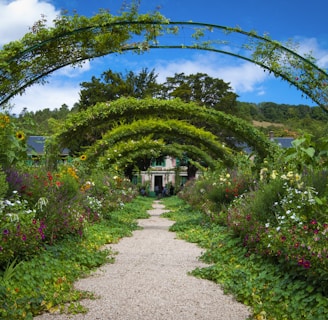
Imagine stepping into your backyard and being greeted by the cheerful songs of birds, the gentle hum of bees, and the delicate flutter of butterflies. Turning your outdoor space into a wildlife haven is easier than you think—and incredibly rewarding! Start by planting a mix of native flowers, shrubs, and trees. These natural beauties are already adapted to your area, making them perfect for attracting local wildlife while requiring less effort from you.
Add a water feature—a small pond, birdbath, or even a shallow dish works wonders. It’s like opening a refreshing café for thirsty creatures! Leave some areas a little wild, with piles of leaves, logs, or rocks. These cozy nooks become safe havens for insects, frogs, and small animals.
Say no to harsh chemicals and embrace organic gardening. Your new wildlife friends will thank you for keeping their home toxin-free. To go the extra mile, add bird feeders, bee hotels, or butterfly boxes. These little touches make your garden irresistible to nature’s visitors.
Creating a wildlife-friendly garden isn’t just about helping the environment—it’s about building a vibrant, living space where you can connect with nature every day. So, roll up your sleeves and let’s turn your backyard into a thriving ecosystem! 🌸🐦🐞
🌲🌍

Wildlife Wonders: Unbelievable Animal Behaviors😊


Nature never ceases to amaze. From the depths of the ocean to the vast savannas, animals exhibit behaviors that leave us in awe, reminding us how incredible and complex life on Earth truly is.
Take the octopus, for example. This master of disguise can change its color, texture, and shape in seconds to blend into its surroundings—or even mimic other creatures. It’s like watching a real-life magician at work. Then there’s the Arctic tern, a bird that migrates from pole to pole, traveling up to 50,000 miles a year. Imagine flying the equivalent of twice around the Earth in a lifetime!
And who could forget the honeybee? These tiny insects perform a “waggle dance” to communicate the location of food sources to their hive. It’s a sophisticated language of movement that ensures their survival. Even elephants, with their immense size, display profound emotional intelligence, mourning their dead and forming lifelong bonds.
These behaviors aren’t just fascinating—they’re vital. They show how animals adapt, survive, and thrive in their environments. They also remind us of the interconnectedness of all life.
Every time we uncover another wildlife wonder, we’re reminded of how much there is to learn and protect. The natural world is full of stories waiting to be discovered—stories that inspire us to cherish and safeguard the planet we all call home.
🌲🌍
Safari Adventures: What to Expect on a Wildlife Tour🚙


A safari is more than just a trip—it’s a journey into the heart of the wild, where every moment feels alive with possibility. Picture this: the golden light of dawn breaking over the savanna, the distant roar of a lion echoing through the air, and a herd of elephants moving gracefully across the horizon. This is the magic of a wildlife tour.
But safaris aren’t just about spotting the “Big Five.” They’re about immersing yourself in the rhythm of nature. You’ll witness the intricate dance of life—cheetahs sprinting, birds soaring, and tiny insects building their worlds. Every detail tells a story, and you’re part of it, even if just for a moment.
Be prepared for surprises. Nature doesn’t follow a script, and that’s what makes it thrilling. One day, you might watch a leopard lounging in a tree; the next, you could witness a dramatic hunt unfold. Patience is key, but the rewards are unforgettable.
A safari also connects you to something bigger. It’s a reminder of how fragile and beautiful our planet is. You’ll leave not just with photos, but with a deeper appreciation for the wild and a renewed commitment to protect it. Adventure awaits—are you ready?
🌲🌍

The Importance of Protecting Predators in the Wild🪬


Predators—lions, wolves, sharks, eagles—are often misunderstood. They’re seen as fierce, dangerous, and even unnecessary. But the truth is, they’re the guardians of balance in nature. Without them, ecosystems crumble, and the consequences ripple back to us.
Imagine a world where deer overgraze forests, where rodents overrun fields, or where fish populations collapse. Predators keep these scenarios in check. They’re not just hunters; they’re regulators, ensuring that every species plays its part in the delicate web of life.
But predators are under threat. Habitat loss, hunting, and climate change are pushing many to the brink of extinction. When we lose them, we lose more than just majestic creatures—we lose the stability of our natural world.
Protecting predators isn’t just about saving animals; it’s about preserving our future. Healthy ecosystems mean clean air, fresh water, and fertile soil—things we rely on every day. By safeguarding predators, we’re not just being kind to nature; we’re being kind to ourselves.
Let’s change the narrative. Predators aren’t our enemies; they’re our allies. Their survival is intertwined with ours. It’s time to protect them, not out of fear, but out of respect for the irreplaceable role they play in keeping our planet alive and thriving.
🌲🌍

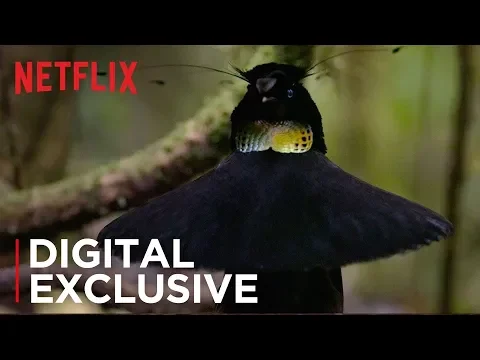
Birds of Paradise: The Most Colorful Birds on Earth🦅


Imagine a world where feathers shimmer like rainbows and dances tell stories of love and survival. Welcome to the enchanting realm of Birds of Paradise, nature’s living masterpieces. Found in the dense rainforests of New Guinea and nearby islands, these birds are a breathtaking testament to the wonders of evolution.
With their dazzling plumage and elaborate courtship rituals, Birds of Paradise are the ultimate performers. Males flaunt vibrant colors, from electric blues to fiery oranges, and perform intricate dances to woo their mates. Each species has its own unique style—some fan out feathery capes, while others transform into living kaleidoscopes.
But their beauty isn’t just for show. It’s a survival strategy. In the competitive world of the rainforest, standing out is key to passing on genes. Females choose the most impressive males, ensuring that only the best dancers and brightest colors make it to the next generation.
Sadly, habitat loss and climate change threaten these avian wonders. Protecting their rainforest homes is crucial to preserving their magic.
Birds of Paradise remind us that nature is both an artist and a storyteller. Their vibrant colors and mesmerizing dances are a celebration of life itself—a reminder to cherish and protect the extraordinary diversity of our planet.
🌲🌍
Urban Wildlife: How Animals Are Adapting to City Life🃏


Cities are often seen as concrete jungles, but they’re also becoming unexpected havens for wildlife. As urban areas expand, animals are adapting in remarkable ways to survive—and even thrive—in our bustling neighborhoods.
Take raccoons, for example. These clever creatures have mastered the art of dumpster diving, turning our trash into their treasure. Their nimble paws and problem-solving skills make them the ultimate urban survivors. Similarly, foxes have swapped dense forests for city parks, using their stealth and adaptability to navigate busy streets and backyards.
Birds are also joining the urban revolution. Pigeons, often dubbed "flying rats," have become experts at nesting on skyscrapers, while peregrine falcons use tall buildings as vantage points to hunt. Even bees are finding refuge in rooftop gardens, pollinating city flowers and producing urban honey.
But it’s not all smooth sailing. Urban wildlife faces challenges like pollution, traffic, and habitat loss. Yet, their resilience is inspiring. By creating green spaces, reducing waste, and supporting conservation efforts, we can help these animals coexist with us.
Next time you spot a squirrel darting across a power line or hear birds chirping at dawn, take a moment to appreciate the wild side of city life. After all, nature always finds a way—even in the heart of the urban jungle.

🌲🌍


Fragments of Infinity: Marveling at Nature's Boundless Beauty♾️


Nature is a mosaic of infinite wonders, each piece a fragment of something greater. From the delicate veins of a leaf to the vast expanse of an ocean, it whispers of a beauty that defies boundaries. Every detail, no matter how small, is a thread in the tapestry of existence.
Take a moment to observe a single dewdrop clinging to a spider’s web. In its tiny reflection, the world is mirrored—distorted yet complete. Or gaze at the night sky, where stars scatter like diamonds on velvet, each one a sun with its own story. These fragments, though fleeting, remind us of the immensity of life.
Nature’s beauty lies not only in its grandeur but in its imperfections. A cracked stone, a weathered tree, a fading sunset—they all carry a quiet elegance. They teach us that even in brokenness, there is wholeness.
And then there are the moments that take our breath away: a rainbow arching over a storm, a butterfly emerging from its cocoon, or the first bloom of spring. These are nature’s gifts, reminding us to pause, to marvel, and to connect with the world around us.
In every fragment, infinity resides. Nature’s beauty is boundless, not because it is perfect, but because it is alive, ever-changing, and endlessly inspiring.
🌲🌍
The Secret Lives of Clouds: A Sky Full of Mysteries☁️


Clouds are more than just fluffy decorations in the sky—they’re storytellers, shape-shifters, and silent witnesses to the world below. Each cloud carries a tale, from the wispy cirrus dancing at the edge of the atmosphere to the brooding cumulonimbus brewing storms. But what makes these sky-bound wanderers so fascinating?
Clouds are born from the marriage of air and water. As warm air rises, it cools, causing water vapor to condense into tiny droplets or ice crystals. These clusters gather, forming the clouds we see. But no two clouds are alike. They morph and drift, reflecting the mood of the sky—soft and serene one moment, dark and dramatic the next.
Beyond their beauty, clouds play a vital role in Earth’s ecosystem. They regulate temperature, distribute rainfall, and even influence the rhythm of life. A passing cloud can mean shade for a farmer, rain for a parched field, or snow for a mountain peak.
Yet, clouds also hold a sense of mystery. They invite us to imagine—to see dragons, castles, or faces in their ever-changing forms. They remind us to look up, to dream, and to appreciate the fleeting wonders above.
In their quiet way, clouds teach us about impermanence and resilience. They drift, they change, but they always return, painting the sky with their endless stories.

🌲🌍


Twilight’s Palette: Decoding Nature’s Color Spectrum⚡


As the sun dips below the horizon, the sky transforms into a masterpiece, painting itself in hues of amber, lavender, and deep indigo. Twilight, that magical in-between, is nature’s way of reminding us of its artistry. But have you ever wondered why the sky blushes so vividly during these moments?
The secret lies in the science of light. As sunlight passes through the atmosphere, it scatters, bending and bouncing off particles. During twilight, the angle of the sun causes light to travel through more of the atmosphere, filtering out shorter wavelengths like blue and green. What remains are the warm, rich tones of red, orange, and pink—nature’s final flourish before nightfall.
Yet, twilight is more than just a visual spectacle. It’s a feeling. It’s the quiet hum of the world slowing down, the gentle transition from day to night. It’s the time when birds return to their nests, and nocturnal creatures begin to stir. For us, it’s a moment to pause, to reflect, and to marvel at the beauty of a world that effortlessly blends science and soul.
Twilight’s palette is a reminder that even in transitions, there is brilliance. It’s nature’s way of saying, “Look closely—there’s magic in every shift, in every shade.”

🌲🌍


The Silent Language: Interpreting the Earth's Unspoken Stories🌍


I’ve always felt the Earth has a way of whispering to us, if we’d just stop to listen. It’s not loud or obvious—no booming voice from the mountains or a lecture from the sea. It’s quieter, like the rustle of leaves in a breeze or the slow crumble of a cliff into the waves. These are the stories the Earth tells without words, and I’ve been learning to hear them.
Take the gnarled roots of an old oak twisting through the soil. They don’t just sit there—they speak of years spent stretching, reaching for water, surviving storms I’ll never see. Or the smooth stones along a riverbank, worn down by time and current, hinting at journeys from jagged peaks to gentle curves. Even the air feels alive, carrying the scent of pine or the faint sting of wildfire smoke, nudging me to wonder what’s happened beyond my sight.
It’s humbling, honestly. I walk through this world feeling small, but curious—like a kid tugging at nature’s sleeve, asking, “What’s next?” The Earth doesn’t owe me its secrets, but I’m piecing them together anyway, one silent story at a time.


🌲🌍


The Unseen Architects: How Insects Shape Our World


In the quiet hum of nature, insects are the unseen architects, tirelessly shaping our world. They pollinate crops, ensuring our plates are full, and decompose waste, recycling life into the soil. Beetles burrow, aerating the earth, while bees craft honey, a golden gift. Ants build intricate colonies, teaching us about teamwork and resilience. Yet, their tiny wings and delicate legs often go unnoticed, their contributions overshadowed by their size. In their silent labor, they remind us that greatness isn’t always loud or large. Insects, the quiet custodians of our planet, weave the threads of life we often forget to thank.
🌲🌍

Under Open Skies: Chronicles of Freedom and Exploration


Have you ever paused to let the gentle breeze guide your thoughts, lifting your spirit as the vast expanse of sky stretches endlessly above you? There's something inherently liberating about stepping into the open air, where boundaries blur and possibilities seem infinite.
As I embarked on this journey, I felt an undeniable connection to the earth beneath my feet and the sky that beckoned me to explore. It was a call to rediscover the essence of freedom, where each step I took carried the promise of new horizons and untold stories.
The world, in all its complexity, often constrains us with responsibilities and routines. Yet, when we venture into the open skies, we're reminded of our innate desire to break free and embrace the unknown. The thrill of exploration lies not just in the physical act of traversing new landscapes, but in the profound internal transformation that accompanies it.
In nature's vast theater, we find solace and inspiration. The towering mountains stand as sentinels of strength, while the meandering rivers echo the fluidity of life's journey. Each sunrise paints the sky with a palette of hope, and every sunset whispers tales of day's end, inviting reflection and gratitude.
These chronicles of freedom and exploration aren't merely about the places we visit; they're about the moments that define us. The laughter shared around a campfire, the quiet contemplation under a starlit sky, and the serendipitous encounters with fellow travelers all weave together to create a tapestry of experiences that shape our lives.
So, let us embrace the call of the open skies, cherishing the freedom it brings. For in this boundless expanse, we rediscover our true selves, ignited by the spirit of exploration and the endless possibilities that lie ahead.
`🌲🌍


Threads of Life: Exploring the Intricate Webs of the Wilderness
Stepping into the wilderness is like entering a world spun from countless threads of life, each weaving an intricate web of existence. This intricate network, where every organism plays a vital role, reveals the profound interconnections that sustain the natural world. Here, every leaf, every stream, every whisper of the wind tells a story of survival, adaptation, and resilience.
In the heart of the forest, towering trees stand as silent sentinels, their roots intertwining beneath the earth, creating a vast underground network. This mycorrhizal network, often referred to as the "Wood Wide Web," allows trees to communicate, share nutrients, and support each other in times of need. Through this hidden exchange, we witness the profound interdependence that mirrors the social fabric of human communities.
Above the forest floor, a symphony of life unfolds. Birds, with their vibrant plumage and melodious calls, flit from branch to branch, pollinating flowers and dispersing seeds. Insects, often overlooked, play their part as nature's recyclers, breaking down organic matter and enriching the soil. Each creature, no matter how small, contributes to the delicate balance of the ecosystem.
The water bodies within the wilderness are lifelines, nurturing a diverse array of flora and fauna. Streams and rivers carve through the landscape, creating habitats for fish, amphibians, and countless microorganisms. These aquatic systems are essential for the survival of many species and play a crucial role in regulating the climate by cycling nutrients and carbon.
Venturing further into the wilderness, one might encounter the elusive predators, the guardians of the ecosystem. Wolves, tigers, and eagles, with their keen senses and formidable prowess, maintain the balance of prey populations, ensuring that no single species dominates the landscape. Their presence is a reminder of the delicate equilibrium that governs the natural world.
The wilderness, with its intricate webs of life, is a testament to nature's resilience and ingenuity. It offers us a glimpse into a world where every being, from the tiniest microbe to the mightiest tree, is connected in a harmonious dance of existence. By exploring these threads of life, we not only deepen our understanding of nature but also recognize our place within this intricate tapestry, reminding us of our responsibility to protect and preserve these precious ecosystems for future generations.
🌲🌍


Roots and Reflections: Delving into Earth's Untouched Places
In a world that races against time, there exists a realm untouched by the frenzy of modern life. These untouched places, pristine and unspoiled, hold the essence of Earth's true beauty. Exploring these hidden gems allows us to reconnect with nature and reflect on our roots.
The Untouched Wilderness: Deep within the forests, mountains, and deserts, the Earth's untouched places remain. These areas, free from human interference, offer a glimpse into the natural world as it has existed for millennia. Ancient trees, majestic peaks, and serene deserts stand as testaments to the planet's resilience and grandeur.
The Call of the Wild: Venturing into these places requires a spirit of adventure and a deep respect for nature. Trekking through dense jungles, scaling rugged cliffs, or wandering across vast deserts, one feels an undeniable connection to the Earth. Each step taken in these pristine landscapes is a step back in time, where one can witness the raw beauty of nature.
Reflection and Rejuvenation: These untouched places offer more than just visual splendor; they provide a sanctuary for the soul. Away from the noise and distractions of urban life, one can find solace and clarity. The stillness of a secluded forest, the tranquility of a hidden valley, or the vastness of an untouched desert allows for introspection and rejuvenation. In these moments of solitude, we can reflect on our journey and find a deeper sense of purpose.
The Importance of Preservation: As we delve into these untouched places, it is crucial to recognize the importance of preserving them. The delicate balance of these ecosystems must be maintained to ensure their survival for future generations. Responsible exploration and conservation efforts are essential to protect these natural treasures.
Embracing Nature's Wonders: Exploring Earth's untouched places reminds us of the beauty and majesty of our planet. It rekindles our connection to nature and inspires us to cherish and protect it. So, let us venture into the wild, embrace the unknown, and reflect on the roots that bind us to this magnificent Earth.
🌍🪴


"The Emotional Lives of Animals: Understanding Their Feelings"
When we look into the eyes of a dog wagging its tail or hear the mournful cry of a whale in the ocean, it’s hard not to wonder: what are they feeling? Science and personal experiences alike are showing us that animals are far more emotionally complex than we once believed. They feel joy, fear, love, grief, and even empathy—emotions we often think of as uniquely human.
Take elephants, for example. These gentle giants are known to mourn their dead, standing silently over the bodies of fallen herd members for hours. They’ve even been observed revisiting the bones of loved ones years later, a behavior that suggests a deep sense of loss and memory. Or consider cows, who form strong bonds with their herd mates. When separated, they show signs of stress and anxiety, much like we do when we’re away from those we love.
Even animals we might consider less “cuddly” have rich emotional lives. Octopuses, for instance, are incredibly intelligent and have been observed playing, solving puzzles, and even showing preferences for certain humans. And let’s not forget our pets—anyone who’s seen a cat purr contentedly or a dog sulk after being scolded knows that animals experience a wide range of emotions.
Understanding these emotions isn’t just fascinating—it’s a call to action. It challenges us to rethink how we treat animals, whether they’re in our homes, on farms, or in the wild. If they can feel joy and pain, love and fear, then surely they deserve our compassion and respect.
The more we learn about the emotional lives of animals, the more we realize how connected we all are. Their feelings remind us that we share this planet with beings who, in their own ways, experience the world as deeply as we do. And that’s something worth celebrating—and protecting.
🌲🌍


"The Intelligence of Animals: Exploring the Secrets of the Animal Kingdom"
When we think of intelligence, humans often take center stage. But the animal kingdom is a treasure trove of brilliance, showcasing minds that are not only complex but also deeply fascinating. From problem-solving crows to empathetic elephants, animals continually surprise us with their cognitive abilities.
Take the octopus, for example. This eight-armed marvel is a master of disguise, capable of changing its color and texture to blend seamlessly into its surroundings. But it doesn’t stop there. Octopuses have been observed using tools, solving puzzles, and even escaping enclosures in ways that suggest a level of creativity and planning once thought unique to humans.
Then there are dolphins, known for their playful nature and social complexity. These marine mammals communicate using a sophisticated system of clicks and whistles, and studies suggest they can recognize themselves in mirrors—a sign of self-awareness. Their ability to work together to hunt or protect their pods highlights a deep understanding of teamwork and strategy.
Even in the avian world, intelligence shines brightly. Crows and ravens are renowned for their problem-solving skills. They can use sticks to retrieve food, remember human faces, and even plan for future events. Their brains, though small, are incredibly efficient, proving that size isn’t everything when it comes to smarts.
And let’s not forget elephants, whose emotional intelligence is as remarkable as their physical size. They mourn their dead, comfort distressed herd members, and display signs of empathy and cooperation. Their ability to remember locations of water sources across vast distances is a testament to their incredible memory.
The animal kingdom is a reminder that intelligence comes in many forms. By studying and appreciating these creatures, we not only learn more about them but also gain a deeper understanding of our own place in the natural world. Nature, it seems, is far smarter than we often give it credit for.
🌲🌍


"Nature's code: Cracking the secrets of the Natural world's most brilliant designs."
As i gazed at the intricate patterns on a butterfly's wings, I wondered; what secrets lie behind nature's most brilliant designs? From the spiraling shapes of seashells to the majestic architecture of beehives, nature's code is written in the language of mathematics and physics. By deciphering this code, we can unlock the secrets of the natural world and discover innovative solutions to our most pressing challenges. The code is hidden in pain sight - we just need to look closely.
"The Nature Nexus: Where Technology Meets the Natural World"
In the quiet embrace of nature, technology whispers its presence, not as an intruder but as a harmonious partner. Imagine forests where sensors hum softly, tracking ecosystems, or rivers monitored by drones that ensure their purity. solar panels blend with meadows, and biodegradable tech nourishes the soil it rests upon. This nexus isn't about dominance but coexistence - a bridge where innovation nurtures rather than exploits. Here, humanity finds balance, crafting a future where progress doesn't scar the earth but heals it. In this dance of wires and wilderness, We rediscover our role. not as conquerors, but as caretakes of a shared home.


"Green Genius at Work: How Nature's Designs Are Inspiring Sustainable Solutions"
Nature has always been the ultimate innovator, crafting solutions that are efficient, resilient, and sustainable. From the way leaves capture sunlight to how termites build self-cooling mounds, the natural world is a treasure trove of inspiration for solving human challenges.
Take biomimicry, for example. Scientists and engineers are turning to nature’s blueprints to design energy-efficient buildings, water-saving systems, and even stronger materials. The lotus leaf’s ability to repel water has inspired self-cleaning surfaces, while the shape of humpback whale fins has led to more efficient wind turbines.
What’s truly remarkable is how these designs not only solve problems but do so in harmony with the planet. By learning from nature, we’re not just innovating—we’re rethinking our relationship with the Earth.
So, the next time you see a spider’s web or a bird in flight, remember: nature isn’t just beautiful—it’s brilliant. And it’s showing us the way to a greener, smarter future.
"The Water Crisis: Conserving Our Most Precious Resource"
Water is the lifeblood of our planet, yet it’s becoming increasingly scarce. Climate change, population growth, and overuse are pushing our freshwater resources to the brink. Rivers are drying up, groundwater levels are dropping, and millions face water shortages daily.
The good news? We can turn the tide. Simple actions like fixing leaks, using water-efficient appliances, and reducing waste can make a big difference. On a larger scale, investing in sustainable agriculture, rainwater harvesting, and wastewater recycling can help preserve this vital resource.
Communities worldwide are also embracing innovative solutions, from desalination plants to AI-powered water management systems. But real change starts with awareness. Every drop counts, and every effort matters.
Water is not just a resource—it’s a right. By valuing and conserving it, we can ensure a sustainable future for generations to come. The time to act is now, before the well runs dry.


"Desert Dreams: Uncovering the Secrets of the Arid Landscape":
"The desert's vast expanse of sand and rock may seem barren, but it holds secrets waiting to be uncovered. As the sun sets, the dunes transform into a kaleidoscope of colors. The desert's unique landscape is home to resilient plants and animals, adapted to survive in this harsh environment. From the majestic saguaro cactus to the tiny kangaroo rat, each species has evolved to thrive in this arid world. Join me on a journey to explore the desert's hidden wonders."
"The Magic of the Aurora: Chasing the Northern Lights":
The northern lights, or aurora borealis, are one of nature's most captivating phenomena. Visible in high-latitude regions, these colorful lights appear when charged particles from the sun collide with Earth's atmosphere. The result is a stunning display of greens, purples, and pinks swirling across the night sky. Chasing the aurora is a bucket-list experience for many, as it's a rare and unpredictable event. Whether from the frozen landscapes of Finland or the rugged terrain of Alaska, witnessing this cosmic dance feels like stepping into a dream. The aurora reminds us of the planet's beauty and the magic of our natural world.


"The Plastic Problem: Solutions for a Sustainable Future"....!
Introduction : A Threat to Our Planet Plastic has become an integral part of our lives, but it is also a major environmental problem. Plastic pollution contaminates oceans, rivers, and soil, with devastating effects on the health and biodiversity of our planet. To address this problem, we need to reduce plastic use, promote recycling and upcycling, and develop biodegradable alternatives. This introduction sets the stage for discussion of the plastic pollution problem and its solutions, and encourages us to take steps toward a more sustainable future.”
The plastic problem: The Plastic Problem: Choking Our Oceans Every year, more than 8 million tons of plastic waste enters the world's oceans, harming marine life, contaminating the food chain, and affecting human health. This staggering amount of plastic waste is equivalent to dumping the contents of a garbage truck into the ocean every minute. Plastic waste in the ocean comes from a variety of sources, including litter, sewage, and industrial waste. Once in the ocean, plastic breaks down into microplastics, which are ingested by marine animals ranging from tiny plankton to giant whales. This has serious consequences such as blockages, nutrient deficiencies, and even death. The plastics problem is a global issue that requires a collective response. Governments, businesses, and individuals must work together to reduce plastic waste, increase recycling, and promote sustainable practices. By taking action now, we can mitigate the effects of plastic pollution and protect our oceans for future generations.
Solutions for a Sustainable Future:
Implementing Policies to Reduce Single-Use Plastics
To combat the plastic pollution crisis, governments and businesses must implement policies to reduce single-use plastics. This can be achieved through:
- Banning single-use plastics such as straws, bags, and water bottles
- Implementing extended producer responsibility, making manufacturers accountable for waste management
- Introducing taxes or levies on single-use plastics
- Promoting education and awareness campaigns to change consumer behavior
- Encouraging the use of reusable alternatives, such as cloth bags and stainless steel water bottles
By implementing these policies, we can significantly reduce the amount of single-use plastics entering our environment, mitigating the harm caused to our oceans, wildlife, and human health.
Recycle and Upcycle:
As plastic waste continues to mount, recycling is a crucial solution. But poor recycling infrastructure and low recycling rates continue to hinder progress. Governments, businesses, and individuals must work together to improve recycling infrastructure and increase recycling rates.
Investing in new recycling technologies and expanding recycling facilities will help improve the efficiency and capacity of recycling processes. In addition, effective waste segregation and collection systems will ensure that more waste is properly sorted and processed for recycling.
Educating and enlightening the public about recycling can also help to motivate people into recycling more and taking part in community recycling programs. When we work together, we can build a recycling culture, reduce waste and promote a more sustainable future for future generations.
Implementation and policy changes:
Shifts in Implementation and Policy – A Change of Grasp
In order to address the crisis of plastic pollution, there needs to be an integration of policies by the government, action from businesses, and involvement at a personal level.
Government Policies:
What steps should the government take? Start with introducing new policies that effectively manage plastic pollution. There are some significant changes to strategies that can allow regulation of recycling:
- Start making obligations for companies to manage and recycle their products.
- Talk about inducing tax on single-use styles of plastics.
- Set goals for public and commercial waste recycling as well as funding recycling projects.
- Fixation of plastic straw, bag, water bottle, and other similar items restrictions.
Business and Industry :
Attempting to solve single-use plastic waste can be successfully operated from businesses and industries perspectives through:
- Fixing plastic bag and straw addressable issues and inducing effective public advertisements against them.
- Overhaul in the design approach for packaging and the method of how plastic products are made.
- Support for the principles of a circular economy including take-backs systems or other recycling designs.
- Joint projects with governments and other non-profit organizations for proper waste disposal.
Individual Actions :
Take heart; every person can substitute everyday materials, objects or tools with their greener alternatives. Where you can start making changes includes:
To avoid plastic pollution, there needs to be involved interaction from the government, businesses, and citizens as everyone plays a significant role. The systematic change needs to come from everyone.
Conclusion:
To solve the plastic problem, we need to all work together to reduce waste, recycle more, and become more sustainable. By implementing policies, adopting sustainable practices, and making individual changes, we can reduce the effects of plastic pollution and create a cleaner, greener future.









"The Amazing World of Animal Migration: A Journey of Survival"
Every year, millions of animals embark on incredible journeys to survive, thrive, and propagate. From the majestic wildebeest migrations in Africa to the awe-inspiring monarch butterfly flights across North America, these treks are a testament to the resilience and adaptability of the animal kingdom.
As we marvel at these incredible feats, we're reminded of the delicate balance between species, habitats, and ecosystems. Let's delve into the fascinating world of animal migration and explore the driving forces, challenges, and triumphs of these epic journeys.
"The Healing Power of Nature: Finding Solace in the Wild"
As I stepped into the forest, the rustling of leaves and chirping of birds enveloped me in a sense of calm. The warmth of the sun on my skin and the gentle breeze in my hair seemed to wash away my worries. Nature has a way of soothing our souls, of calming our minds and rejuvenating our bodies.
In today's fast-paced world, it's easy to get caught up in the hustle and bustle of daily life. But nature reminds us to slow down, to breathe deeply and to appreciate the beauty that surrounds us. Whether it's a walk in the woods, a hike in the mountains or simply sitting in a park, nature's healing power is just a step away.


"The interconnectedness of all things: A philosophical perspective"
As I gaze up at the stars, I am reminded of the ancient Greek concept of holism - the idea that everything in the universe is connected and interdependent. This notion is echoed in the philosophies of Buddhism and Hinduism, which teach that all beings are part of a larger web of life.
In this vast and intricate tapestry, every thread is intertwined with others, influencing and shaping the world around us. Our individual experiences, thoughts, and actions ripple out, impacting the lives of those near and far.
Embracing this interconnectedness can foster empathy, compassion, and a deeper sense of responsibility to ourselves, each other, and the planet.
"The Plight of the Polar Bear: Climate Change and Conservation"
Polar bears are animals that live in the Arctic. They are one of the most famous animals of the Arctic. They use the sea ice for hunting, resting, and breeding. But as the world gets warmer, the sea ice is melting. As a result, the polar bears' habitat is shrinking. They are forced to move farther inland or swim farther to find food. That makes it harder for them to survive. They also get sick, and cubs are especially affected.
But there’s still hope. We can fight climate change, cut carbon emissions, and preserve the Arctic for polar bears to roam. Conservation is key to protecting polar bears and the ecosystem they rely on. Every step we take toward sustainability helps — whether that’s reducing waste, supporting green policies, or spreading awareness. Every action we take to protect the Arctic and its wildlife matters. It’s time to act to ensure polar bears’ survival for generation to come.
"Earth's inspiration: How nature's wonders can spark human innovation"
As I stood at the edge of the Grand Canyon, I felt a sense of awe wash over me. The vast expanse of rugged beauty stretched out before me, a testament to the incredible diversity and complexity of our planet. In that moment, I was struck by the realization that nature has been inspiring human innovation for centuries.
From the intricate patterns on a butterfly's wings to the majestic architecture of a termite mound, nature is full of incredible designs and solutions. By embracing the natural world as a source of inspiration, we can tap into its creative potential and develop innovative solutions to the challenges we face.
"Hidden Wonders: Exploring Nature's Most Overlooked Ecosystems"
Beneath our feet lies a secret world—soil, nature’s most overlooked ecosystem. Teeming with life, it’s a bustling metropolis of microbes, fungi, and tiny creatures working in harmony. This hidden wonder sustains forests, filters water, and breathes life into our planet.
Imagine earthworms as engineers, fungi as internet networks, and bacteria as invisible alchemists. Together, they transform decay into growth, death into life.
In this quiet, unassuming realm, nature whispers its most profound truths. To cherish soil is to honor the foundation of existence. Look closer; the smallest ecosystems hold the greatest miracles.


"The Secret Language of Trees"
As I sat beneath the ancient oak's sprawling canopy, I felt a strange sense of connection. It was as if the tree was whispering secrets to me on the wind. "Trees are not just stationary objects," says Dr. Suzanne Simard, "they're actually communicating with each other." Through intricate networks of fungi and roots, trees share nutrients, warn each other of dangers, and even help each other thrive. It's a language that's both familiar and foreign, a reminder of the magic that lies just beyond our reach.
Best lines:
- "Trees are not just stationary objects, they're actually communicating with each other."
- "The language of trees is a reminder of the magic that lies just beyond our reach.


keep smile 😊💚
Nature's, wildlife Or Ayurvedic Free knowledge in One platform .
Welcome
YOUR HAPPINESS,
OUR HAPPINESS
© 2025. All rights reserved. LUCKY EMPIRES


Nature's Blog
Story
Wildlife Blog
Nature's Gallery HD
Ayurvedic Gyan


My name is Spandan Sahoo. I help poor children and homeless people by arranging shelter for them. I also provide food, clothing, and an education system for the children.
I am currently 19 years old and do not have enough funds, which is now causing problems in providing food and other essentials. Despite proving my work, I am not receiving any government support.
That’s why I have mentioned my account scanner (QR code) for help. Even small contributions of ₹5, ₹10, or ₹50 would mean a lot. 🙏🏻 This is not a lie. Please help, I sincerely request you.