


1. INFLUENZA
2. MALARIA
3. Tuberculosis (TB)
4. HIV/AIDS
5.ALL TYPES SKIN INFECTIONS
6.KIDNEY STONES
7.BREAST CANCER
8.JAUNDICE
7.HAND BONE CRACKS
8.KNEE PAIN
10.BRAIN CANCER
11.BLOOD CANCER
12.HEAD PAIN
13.MENSTRUAL PAIN (PERIODS)
14.STOMACH PAIN
15.EYE REDNESS
16.FACE GLOW UP
17.HAIRFALL
LIST OF AVAILABLE Diseases & SOLUTIONS
18. BRAIN STROKE
19.COPD
20. DIABETES
21.ALZHEIMER'S DISEASE
22.PARKINSONS'S DISEASE
23.MULTIPLE SCLEROSIS
24.EPILEPSY
25.MIGRAIN
26.OSTEOPOROSIS
27.COVID-19
28.WEIGHT LOSS HOME
29.LOOSE MOTION
Ayurvedic Treatment for Loose Motion (Diarrhea) – Complete Guide


Loose motion (diarrhea) in Ayurveda is called "Atisara" and is caused by an imbalance in Vata and Pitta doshas. Poor digestion, infections, food poisoning, or stress can trigger it. Ayurveda offers natural, effective remedies to restore gut health.
1. Ayurvedic Causes of Loose Motion
- Vata Imbalance: Dry, cold foods, stress, irregular eating.
- Pitta Imbalance: Spicy, sour, or fermented foods, heat, infections.
- Ama (Toxins): Undigested food clogs intestines, leading to diarrhea.
2. Best Ayurvedic Remedies for Loose Motion
A. Immediate Home Treatments
1. Ginger-Cumin Water
- Boil 1 tsp ginger + 1 tsp cumin seeds in water. Drink 2-3 times daily.
- Benefits: Stops cramps, reduces inflammation.
2. Pomegranate Peel Tea
- Boil dried pomegranate peel in water, strain, and sip.
- Benefits: Firms stools, rich in antioxidants.
3. Banana + Yogurt
- Mash ripe banana with 1 cup fresh yogurt.
- Benefits: Replenishes good bacteria, soothes gut.
4. Nutmeg (Jaiphal) Milk
- Mix a pinch of nutmeg powder in warm milk.
- Benefits: Stops excessive bowel movements.
B. Ayurvedic Herbs & Formulations
- Kutaja (Holarrhena antidysenterica) – Stops infection-induced diarrhea.
- Bilva (Bael) Fruit – Best for chronic diarrhea (eat pulp or drink juice).
- Isabgol (Psyllium Husk) – Absorbs excess water in stools.
- Ayurvedic Medicines: Kutajarishta, Pravahika Kwath, Bilwadi Churna.
C. Diet & Lifestyle Adjustments
✔ Eat: Moong dal khichdi, boiled rice, apples, coconut water.
✔ Avoid: Dairy (except yogurt), spicy/oily foods, caffeine.
✔ Hydrate: Sip ORS + Jeera Water (boil cumin in water, cool, and drink).
✔ Rest: Avoid physical strain; let digestion recover.
3. When to See an Ayurvedic Doctor?
- If diarrhea lasts > 2 days with dehydration (dry mouth, dizziness).
- Blood/mucus in stools (could indicate Pravahika – dysentery).
4. Prevention Tips
- Chew food properly, eat warm meals.
- Avoid street food, contaminated water.
- Manage stress (Vata imbalance worsens digestion).
Final Note
Ayurveda treats loose motion by balancing doshas, removing toxins, and healing the gut naturally. Unlike antibiotics, these remedies restore long-term digestive strength.
(Note: Severe cases may need medical attention. This is traditional advice, not a substitute for professional care.)


Ayurvedic weight loss Home Treatment 🫃🏻

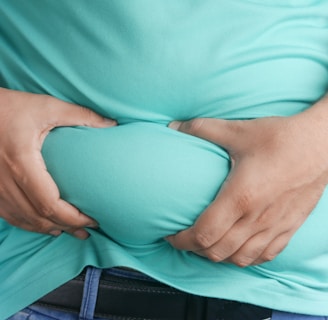
आयुर्वेद (Ayurveda) के अनुसार, वजन घटाने (weight loss) के लिए कुछ प्राकृतिक और घरेलू उपाय (home remedies) बहुत प्रभावी होते हैं।
@ 1. गर्म पानी और नींबू (Warm Water + Lemon)
- सुबह खाली पेट गुनगुने पानी में नींबू और शहद मिलाकर पिएं।
- यह मेटाबॉलिज्म बढ़ाता है और फैट बर्न करने में मदद करता है।
### 2. त्रिफला चूर्ण (Triphala Powder)
- 1 चम्मच त्रिफला चूर्ण रात को गर्म पानी के साथ लें।
- यह पाचन सुधारता है और शरीर से टॉक्सिन्स निकालता है।
@ 3. अदरक-शहद की चाय (Ginger-Honey Tea)
- अदरक को उबालकर, शहद मिलाकर पिएं।
- यह भूख कंट्रोल करता है और फैट मेटाबॉलिज्म बढ़ाता है।
@ 4. आंवला (Amla) और एलोवेरा (Aloe Vera)
- आंवला जूस या एलोवेरा जूस सुबह खाली पेट लें।
- यह शरीर की चर्बी कम करता है और इम्यूनिटी बढ़ाता है।
@ 5. गुड़मार (Gurmar) और दालचीनी (Cinnamon)
- गुड़मार (Gymnema Sylvestre) चाय या दालचीनी पाउडर गर्म पानी में मिलाकर पिएं।
- यह शुगर क्रेविंग कम करता है और वजन घटाने में मदद करता है।
@ 6. योग और व्यायाम (Yoga & Exercise)
- कपालभाति प्राणायाम, सूर्य नमस्कार, पश्चिमोत्तानासन जैसे योगासन वजन कम करने में मदद करते हैं।
- रोजाना 30 मिनट टहलें या कार्डियो करें।
@ 7. आयुर्वेदिक डाइट (Ayurvedic Diet Tips)
- हल्का और सात्विक भोजन लें (जैसे मूंग दाल, सब्जियाँ, जौ की रोटी)।
- रात को हल्का खाना (8 PM से पहले) खाएं।
- जंक फूड, ऑयली और मीठी चीजें कम करें।
@ सावधानियाँ (Precautions)
- ज्यादा तेजी से वजन घटाने के लिए क्रैश डाइट न लें।
- अगर कोई मेडिकल कंडीशन है, तो आयुर्वेदिक डॉक्टर से सलाह लें।


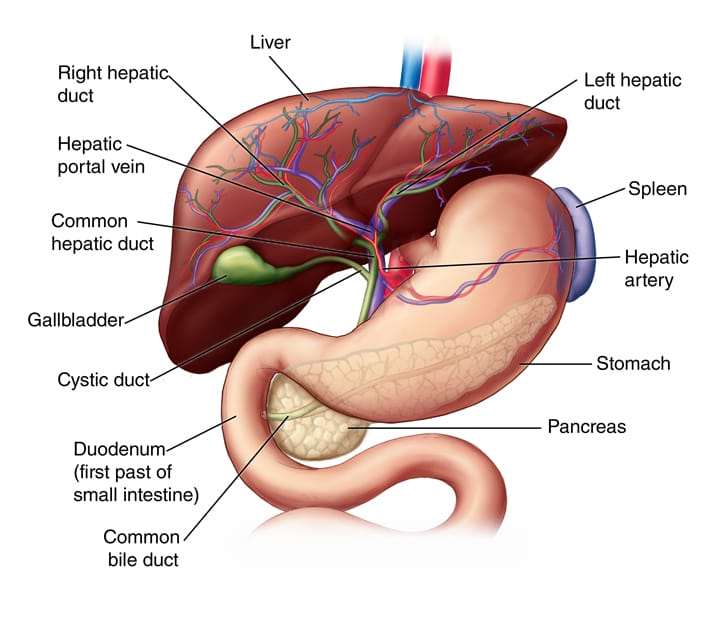
Liver diseases: solution for ayurvedic 🫘

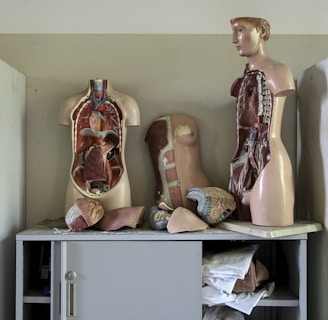
I Ayurvedic Approach to Liver Diseases
Ayurveda focuses on:
1. Detoxification (Panchakarma)
2. Balancing Pitta & Agni (Digestive Fire)
3. Herbal Remedies & Diet Correction
4. Lifestyle Modifications
1. Ayurvedic Herbs for Liver Health
| Herb (English/Ayurvedic Name) | Benefits | How to Use |
|----------------------------------|------------|---------------|
| Bhumi Amla (Phyllanthus niruri) | Liver detox, hepatitis, jaundice | 1-2 tsp powder with water |
| Kutki (Picrorhiza kurroa) | Liver regeneration, hepatitis | 250-500mg with honey |
| Kalmegh (Andrographis paniculata) | Liver inflammation, infections | 1 tsp juice or 500mg powder |
| Guduchi (Tinospora cordifolia) | Immunity booster, detox | 1 tsp powder with water |
| Punarnava (Boerhavia diffusa) | Reduces liver swelling | Decoction (50ml twice daily) |
| Turmeric (Haridra) | Anti-inflammatory, liver protector | 1 tsp with warm milk |
| Aloe Vera (Kumari) | Cleanses liver, improves bile flow | 20ml juice on empty stomach |
| Milk Thistle (Silybum marianum) | Protects liver cells | 250-500mg extract |
2. Ayurvedic Treatments (Panchakarma)
- Virechana (Purgation Therapy) – Removes excess Pitta & toxins.
- Basti (Medicated Enema) – Balances Vata & detoxifies.
- Udvartana (Herbal Powder Massage) – Improves metabolism.
- Liver Bloodletting (Raktamokshana) – Rarely used in severe cases.
3. Ayurvedic Diet for Liver Health
Foods to Eat (Pitta-Pacifying Diet)
✔ Bitter vegetables – Bitter gourd, neem, spinach
✔ Sweet fruits – Apples, pears, figs, raisins
✔ Cooling foods – Coconut water, cucumber, mint
✔ Whole grains – Barley, quinoa, red rice
✔ Healthy fats – Cow ghee, olive oil (in moderation)
Foods to Avoid
✖ Spicy, sour, salty foods (increases Pitta)
✖ Alcohol & processed foods
✖ Fried & heavy meats
✖ Excess tea/coffee
4. Lifestyle Recommendations
- Exercise: Light yoga (Bhujangasana, Dhanurasana) & walking.
- Hydration: Drink warm water with lemon or coriander seeds.
- Sleep: Early bedtime (before 10 PM) to support liver detox.
- Stress Management: Meditation & Pranayama (Nadi Shodhana).
5. Ayurvedic Formulations (Classic Medicines)
- Liv.52 (Himalaya) – Supports liver function.
- Arogyavardhini Vati – Detoxifies liver & spleen.
- Kumaryasava – Improves liver function in cirrhosis.
- Phyllanthus niruri tablets – For hepatitis B & C.
When to Consult an Ayurvedic Doctor?
- Persistent jaundice
- Severe liver cirrhosis
- Ascites (fluid accumulation)
- High liver enzymes (ALT/AST)

Ayurvedic Solutions for COVID-19: A Comprehensive Guide😷


1. Ayurvedic Approach to COVID-19
According to Ayurveda, COVID-19 is similar to an "Agantuja Jwara" (exogenous fever) caused by a "Sankramaka Vyadhi" (infectious disease). The treatment focuses on:
- Boosting immunity (Vyadhikshamatva)
- Detoxifying the body
- Balancing Vata, Pitta, and Kapha
- Managing respiratory health
2. Ayurvedic Herbs & Remedies for COVID-19
A. Immunity-Boosting Herbs
1. Giloy (Tinospora cordifolia) – Enhances immunity, reduces fever.
- Usage: Decoction (kadha) with tulsi and ginger.
2. Ashwagandha (Withania somnifera) – Reduces stress, strengthens immunity.
- Usage: Powder (1-2g) with warm milk.
3. Tulsi (Holy Basil) – Antiviral, anti-inflammatory.
- Usage: Chew 4-5 leaves daily or drink tulsi tea.
4. Turmeric (Curcumin) – Anti-inflammatory, antiviral.
- Usage: Golden milk (turmeric + warm milk + black pepper).
B. Respiratory Support
1. Pippali (Long Pepper) – Helps in lung detoxification.
2. Mulethi (Licorice) – Soothes throat, reduces cough.
3. Yashtimadhu (Glycyrrhiza glabra) – Helps in respiratory infections.
C. Ayurvedic Formulations (Recommended by AYUSH Ministry, India)
- Ayush Kwath (Kadha) – (Giloy, Tulsi, Dalchini, Sunthi)
- Chyawanprash – Immunity booster (1-2 tsp daily)
- Sanshamani Vati (Giloy Ghan Vati) – For fever & immunity
- Agnitundi Vati – For digestive support
3. Ayurvedic Lifestyle & Diet for COVID-19 Prevention
A. Diet (Aahar)
- Warm, cooked meals (easily digestible)
- Avoid cold drinks, processed foods
- Herbal teas (ginger, tulsi, cinnamon)
- Ghee & honey (in moderation for throat lubrication)
### B. Daily Routine (Dinacharya)
- Nasya (Nasal drops) – Apply Anu Taila or sesame oil in nostrils.
- Gandusha (Oil pulling) – Use coconut/sesame oil for oral hygiene.
- Steam inhalation – With ajwain (carom seeds) or eucalyptus oil.
- Pranayama & Yoga – Anulom Vilom, Bhramari, Kapalbhati for lung health.
4. Ayurvedic Management for Post-COVID Recovery
- Rasayana Therapy (Rejuvenation) – Ashwagandha, Amalaki, Shatavari.
- Breathing exercises – Improve lung capacity.
- Adequate rest & hydration – Warm water with lemon & honey.
5. Important Precautions
- Consult an Ayurvedic doctor before taking strong herbs.
- Do not replace allopathic treatment in severe cases.
- Follow government guidelines (mask, sanitization, vaccination).
Conclusion
Ayurveda provides a holistic approach to prevent and support recovery from COVID-19 by strengthening immunity, improving respiratory health, and promoting overall wellness. However, medical supervision is essential in severe cases.
Note: This information is based on traditional Ayurvedic practices and AYUSH guidelines. Always consult a healthcare professional for personalized advice.
🔹 Stay Safe, Stay Healthy! 🔹


Ayurvedic Solutions for Osteoporosis: Comprehensive Guide


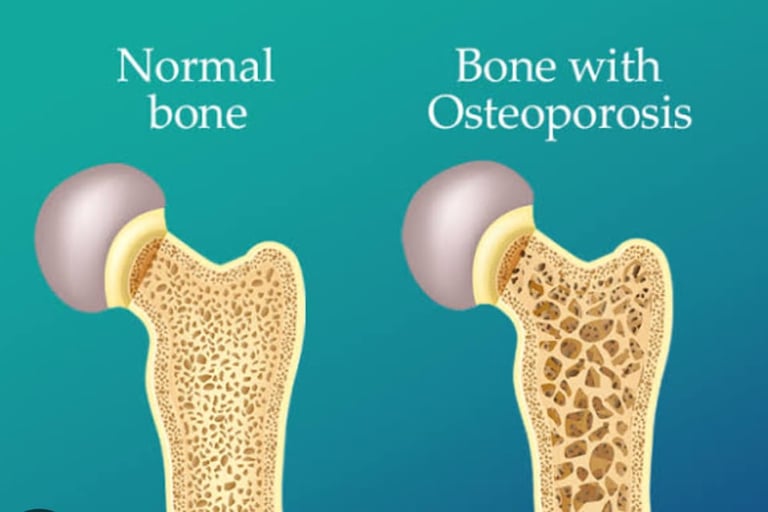
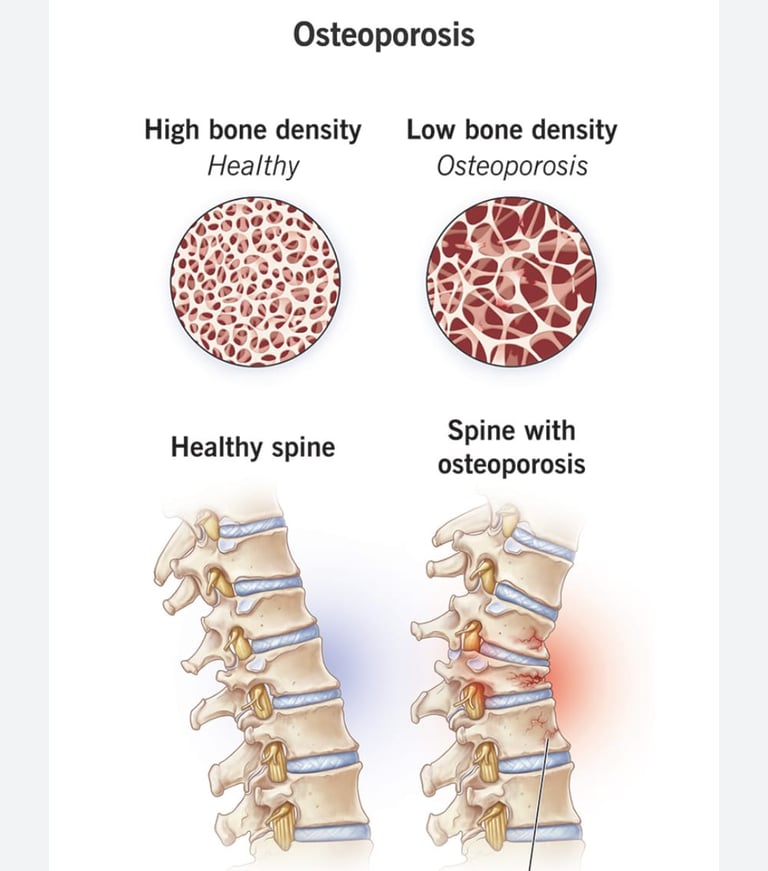
1. Ayurvedic Understanding of Osteoporosis (Asthi-Majja Dhatu Kshaya)
In Ayurveda, osteoporosis is linked to the depletion of Asthi Dhatu (bone tissue) and Majja Dhatu (bone marrow) due to:
- Vata Dosha Imbalance (leading to degeneration)
- Poor digestion (Mandagni) causing malabsorption of nutrients
- Ama (toxins) blocking nutrient absorption
- Aging (Vardhakya) leading to natural bone weakening
2. Ayurvedic Treatment Approach
A. Diet (Ahara) for Bone Strength
- Calcium-Rich Foods:
- Sesame seeds (Til), Ragi, Drumstick leaves (Moringa), Almonds, Cow’s milk, Yogurt, Cheese
- Vitamin D Sources:
- Sun exposure (best in the morning), Ghee, Egg yolks, Mushrooms
- Magnesium & Vitamin K:
- Green leafy vegetables (Spinach, Methi), Bananas, Pumpkin seeds
- Avoid:
- Excess salt, caffeine, alcohol, processed foods, carbonated drinks
B. Herbal Remedies (Aushadhi)
1. Ashwagandha (Withania somnifera) – Strengthens bones, reduces Vata.
2. Shatavari (Asparagus racemosus) – Nourishes bones, supports estrogen balance (helpful in postmenopausal osteoporosis).
3. Guduchi (Tinospora cordifolia) – Enhances calcium absorption.
4. Arjuna (Terminalia arjuna) – Supports bone mineralization.
5. Horse Gram (Kulthi) – Rich in calcium and minerals.
6. Shilajit – Boosts bone density and energy.
Ayurvedic Formulations:
- Lakshadi Guggulu – Strengthens bones, promotes healing.
- Praval Pishti (Coral calcium) – Natural calcium supplement.
- Mukta Shukti Pishti (Pearl oyster shell) – Balances Pitta and strengthens bones.
C. Lifestyle (Vihara)
- Weight-Bearing Exercises: Walking, yoga (Tadasana, Vrikshasana, Bhujangasana).
- Avoid Sedentary Habits – Prolonged sitting weakens bones.
- Oil Massage (Abhyanga) – Use Sesame oil (Tila Taila) or Mahanarayan oil to nourish bones.
- Sunlight Exposure – At least 15-20 minutes daily for Vitamin D.
D. Panchakarma Therapies (Detoxification)
1. Basti (Medicated Enema) – Best for Vata imbalance, nourishes bones.
2. Abhyanga & Swedana (Oil Massage & Steam) – Improves circulation.
3. Nasya (Nasal Therapy) – Balances Vata in the head and spine.
3. Home Remedies for Osteoporosis
- Sesame Milk: Soak 1 tsp sesame seeds overnight, blend with warm milk. Drink daily.
- Turmeric & Ginger Tea: Anti-inflammatory, improves bone health.
- Amla (Indian Gooseberry): Rich in Vitamin C, enhances calcium absorption.
4. Prevention & Long-Term Care
- Regular Bone Density Check-ups after 40 years.
- Avoid Smoking & Alcohol – They deplete bone minerals.
- Manage Stress – Meditation (Pranayama) helps balance hormones affecting bones.
Conclusion
Ayurveda provides a natural, sustainable way to manage osteoporosis by addressing root causes like poor digestion, Vata imbalance, and nutrient deficiency. Combining diet, herbs, exercise, and Panchakarma can significantly improve bone strength and quality of life.

Migraine Relief: Ayurvedic Remedies for a Pain-Free Life


Migraines are a debilitating condition characterized by intense, throbbing headaches, often accompanied by nausea, sensitivity to light, and sound. In Ayurveda, migraines are primarily linked to an imbalance in the Pitta dosha (fire element), though Vata (air element) and Kapha (earth element) imbalances can also contribute. Ayurveda offers a holistic approach to managing migraines, focusing on balancing the doshas, detoxification, and lifestyle modifications.
1. Understanding Migraines in Ayurveda
- In Ayurveda, migraines are often referred to as "Sooryavarta" or "Ardhavabhedaka".
- The condition is primarily caused by an aggravated Pitta dosha, which leads to heat and inflammation in the body, particularly in the head and digestive system.
- Other factors include:
- Vata imbalance: Causes irregular blood flow to the brain.
- Kapha imbalance: Leads to congestion and heaviness in the head.
- Ama (toxins): Accumulation of toxins in the body due to poor digestion.
2. Ayurvedic Approach to Migraines
The Ayurvedic treatment for migraines focuses on:
- Balancing Pitta Dosha: Reducing heat and inflammation.
- Detoxification: Removing Ama (toxins) from the body.
- Strengthening Digestion: Improving Agni (digestive fire) to prevent toxin buildup.
- Lifestyle and Diet: Adopting habits that promote mental and physical balance.
3. Ayurvedic Treatments for Migraines
A. Herbal Remedies
Ayurveda uses specific herbs to reduce inflammation, calm the mind, and improve digestion. Some key herbs include:
1. Brahmi (Bacopa monnieri):
- Calms the mind and reduces stress, a common migraine trigger.
- Can be taken as powder, juice, or capsules.
2. Ashwagandha (Withania somnieri):
- Reduces stress and balances Vata and Pitta doshas.
3. Shankhpushpi (Convolvulus pluricaulis):
- Improves brain function and reduces headaches.
4. Guduchi (Tinospora cordifolia):
- Detoxifies the body and boosts immunity.
5. Triphala:
- A combination of three fruits (Amalaki, Bibhitaki, Haritaki) that cleanses the digestive system and removes toxins.
B. Panchakarma Therapy
Panchakarma is a detoxification process that helps remove toxins (Ama) from the body and balance the doshas. Key therapies for migraines include:
1. Shirodhara:
- Warm herbal oil is poured on the forehead to calm the mind and nervous system.
2. Nasya:
- Herbal oils or powders are administered through the nose to clear sinus congestion and improve brain function.
3. Abhyanga (Oil Massage):
- Relaxes the body and reduces stress, which can trigger migraines.
4. Virechana (Therapeutic Purgation):
- Cleanses the digestive system and removes excess Pitta from the body.
C. Diet and Lifestyle Recommendations
1. Diet:
- Avoid spicy, fried, and processed foods that aggravate Pitta.
- Include cooling foods like cucumber, coconut water, and leafy greens.
- Drink plenty of water to stay hydrated.
- Avoid caffeine, alcohol, and tobacco.
2. Lifestyle:
- Practice regular meditation and yoga to reduce stress.
- Maintain a consistent sleep schedule.
- Avoid excessive screen time and mental overstimulation.
- Engage in light physical activities like walking.
4. Emotional and Mental Support
- Migraines can be emotionally challenging. Ayurveda emphasizes the importance of a supportive environment and mental well-being.
- Practices like Pranayama (breathing exercises) and Dhyana (meditation) can help calm the mind and reduce anxiety.
- Surround yourself with positive energy and avoid stressful situations.
5. Case Study: A Humanized Example
Priya's Story:
Priya, a 32-year-old marketing professional, suffered from chronic migraines that affected her work and personal life. After consulting an Ayurvedic practitioner, she adopted the following changes:
1. Diet: She switched to a Pitta-pacifying diet, avoiding spicy foods and including cooling, fresh meals.
2. Herbs: She started taking Brahmi and Ashwagandha supplements daily.
3. Therapies: She underwent Shirodhara and Nasya therapies monthly.
4. Lifestyle: Priya began practicing yoga and meditation, which helped her manage stress.
Within three months, Priya noticed a significant reduction in the frequency and intensity of her migraines. She felt more in control of her life and was able to focus better at work.
6. Precautions and Consultation
- Always consult a qualified Ayurvedic practitioner before starting any treatment.
- Ayurvedic remedies should complement, not replace, conventional medical treatments for migraines.
- Inform your doctor about any Ayurvedic herbs or therapies you are using to avoid interactions with medications.
7. Key Takeaways
- Migraines can be managed effectively with Ayurveda by balancing Pitta dosha, detoxifying the body, and strengthening digestion.
- Herbs like Brahmi, Ashwagandha, and Shankhpushpi are highly beneficial.
- Panchakarma therapies like Shirodhara and Nasya can provide deep healing.
- A balanced diet, stress management, and a supportive environment are crucial for long-term well-being.



Understanding Epilepsy: Breaking Down the Myths and Facts


Epilepsy, known as "Apasmara" in Ayurveda, is a neurological disorder characterized by recurrent seizures. Ayurveda offers a holistic approach to managing epilepsy, focusing on balancing the body's doshas (Vata, Pitta, Kapha), detoxification, and strengthening the nervous system.
1. Understanding Epilepsy in Ayurveda
- In Ayurveda, epilepsy is primarily caused by an imbalance in Vata dosha, which disrupts the nervous system and brain function.
- It can also involve imbalances in Pitta (heat-related factors) and Kapha (blockages in channels).
- The condition is often linked to Ama (toxins) in the body, which obstruct the flow of energy and cause seizures.
2. Ayurvedic Approach to Epilepsy
The Ayurvedic treatment for epilepsy focuses on:
- Balancing Doshas: Especially Vata, which governs the nervous system.
- Detoxification: Removing Ama (toxins) from the body.
- Strengthening the Nervous System: Improving brain function and stability.
- Lifestyle and Diet: Adopting habits that promote mental and physical balance.
3. Ayurvedic Treatments for Epilepsy
A. Herbal Remedies
Ayurveda uses specific herbs to calm the nervous system, reduce seizures, and improve overall brain health. Some key herbs include:
1. Brahmi (Bacopa monnieri):
- Enhances brain function and reduces stress.
- Can be taken as powder, juice, or capsules.
2. Ashwagandha (Withania somnifera):
- Strengthens the nervous system and reduces Vata imbalance.
- Helps in managing stress and anxiety.
3. Shankhpushpi (Convolvulus pluricaulis):
- Improves memory and calms the mind.
- Reduces the frequency of seizures.
4. Jatamansi (Nardostachys jatamansi):
- Acts as a natural sedative and stabilizes brain activity.
5. Vacha (Acorus calamus):
- Clears brain channels and improves cognitive function.
B. Panchakarma Therapy
Panchakarma is a detoxification process that helps remove toxins (Ama) from the body and balance the doshas. Key therapies for epilepsy include:
1. Shirodhara:
- Warm herbal oil is poured on the forehead to calm the mind and nervous system.
2. Nasya:
- Herbal oils or powders are administered through the nose to clear brain channels.
3. Basti (Medicated Enema):
- Helps balance Vata dosha and cleanse the colon, which is linked to brain health.
4. Abhyanga (Oil Massage):
- Relaxes the body and reduces stress, which can trigger seizures.
C. Diet and Lifestyle Recommendations
1. Diet:
- Avoid processed, spicy, and fried foods.
- Include fresh fruits, vegetables, and whole grains.
- Consume warm, easily digestible meals.
- Avoid caffeine, alcohol, and tobacco.
2. Lifestyle:
- Practice regular meditation and yoga to reduce stress.
- Maintain a consistent sleep schedule.
- Avoid excessive screen time and mental overstimulation.
- Engage in light physical activities like walking.
4. Emotional and Mental Support
- Epilepsy can be emotionally challenging. Ayurveda emphasizes the importance of a supportive environment and mental well-being.
- Practices like Pranayama (breathing exercises) and Dhyana (meditation) can help calm the mind and reduce anxiety.
- Surround yourself with positive energy and avoid stressful situations.
5. Case Study: A Humanized Example
Rahul's Story:
Rahul, a 28-year-old software engineer, was diagnosed with epilepsy after experiencing recurrent seizures. He felt overwhelmed and frustrated with his condition. After consulting an Ayurvedic practitioner, Rahul adopted the following changes:
1. Diet: He switched to a sattvic (pure) diet, avoiding processed foods and including fresh, home-cooked meals.
2. Herbs: He started taking Brahmi and Ashwagandha supplements daily.
3. Therapies: He underwent Shirodhara and Nasya therapies monthly.
4. Lifestyle: Rahul began practicing yoga and meditation, which helped him manage stress.
Within six months, Rahul noticed a significant reduction in the frequency and intensity of his seizures. He felt more in control of his life and was able to focus better at work.
6. Precautions and Consultation
- Always consult a qualified Ayurvedic practitioner before starting any treatment.
- Ayurvedic remedies should complement, not replace, conventional medical treatments for epilepsy.
- Inform your doctor about any Ayurvedic herbs or therapies you are using to avoid interactions with medications.
7. Key Takeaways
- Epilepsy can be managed effectively with Ayurveda by balancing doshas, detoxifying the body, and strengthening the nervous system.
- Herbs like Brahmi, Ashwagandha, and Shankhpushpi are highly beneficial.
- Panchakarma therapies like Shirodhara and Nasya can provide deep healing.
- A balanced diet, stress management, and a supportive environment are crucial for long-term well-being.



Ayurvedic Approach to Managing Multiple Sclerosis (MS)


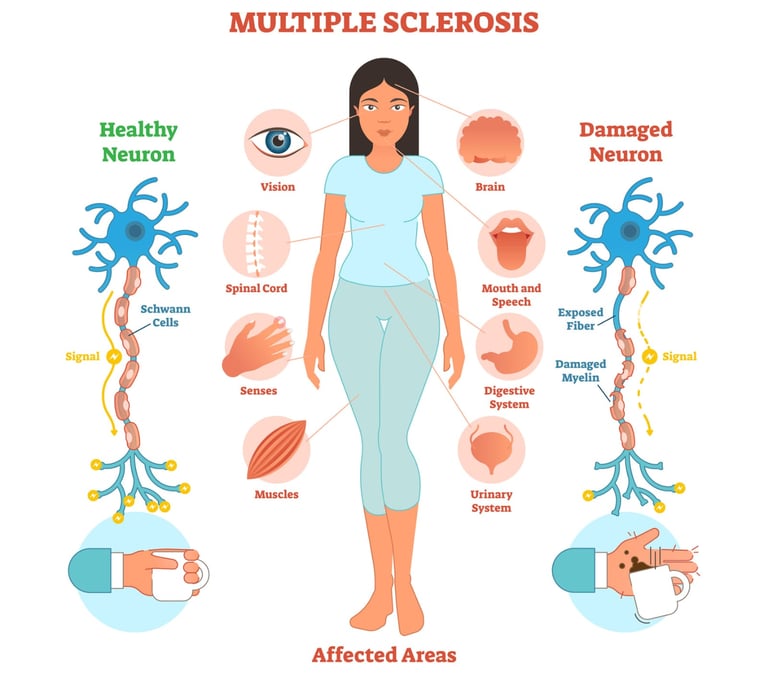
Multiple Sclerosis (MS) is a chronic autoimmune condition that affects the central nervous system, leading to symptoms like fatigue, muscle weakness, and coordination issues.
Understanding MS in Ayurveda
In Ayurveda, MS is linked to an imbalance in the Vata dosha, which governs movement and nervous system functions. When Vata is aggravated, it disrupts the flow of energy and communication within the body, leading to symptoms similar to MS.
Ayurvedic Solutions for MS
1. Diet and Nutrition:
- Focus on warm, nourishing, and easily digestible foods like soups, stews, and cooked vegetables.
- Include healthy fats like ghee and sesame oil to lubricate tissues and support the nervous system.
- Avoid cold, dry, or processed foods that can aggravate Vata.
2. Herbal Remedies:
- Ashwagandha: Strengthens the nervous system and reduces inflammation.
- Brahmi: Enhances cognitive function and calms the mind.
- Turmeric: Known for its anti-inflammatory and immune-modulating properties.
- Shilajit: Boosts energy and supports overall vitality.
3. Lifestyle Practices:
- Practice gentle yoga and stretching to improve flexibility and reduce stiffness.
- Engage in meditation and pranayama (breathing exercises) to calm the mind and reduce stress.
- Follow a consistent daily routine to stabilize Vata.
4. Panchakarma Therapy:
- Ayurvedic detoxification therapies like Abhyanga (oil massage) and Basti (medicated enema) can help remove toxins and balance Vata.
5. Mind-Body Connection:
- MS often has emotional triggers. Ayurveda emphasizes emotional healing through practices like journaling, mindfulness, and connecting with nature.
Important Considerations
While Ayurveda can complement conventional treatments, it’s essential to consult a qualified Ayurvedic practitioner before starting any regimen. MS is a complex condition, and a personalized approach is crucial for effective management.

Parkinson's Disease: Ayurvedic Solutions and Natural Remedies


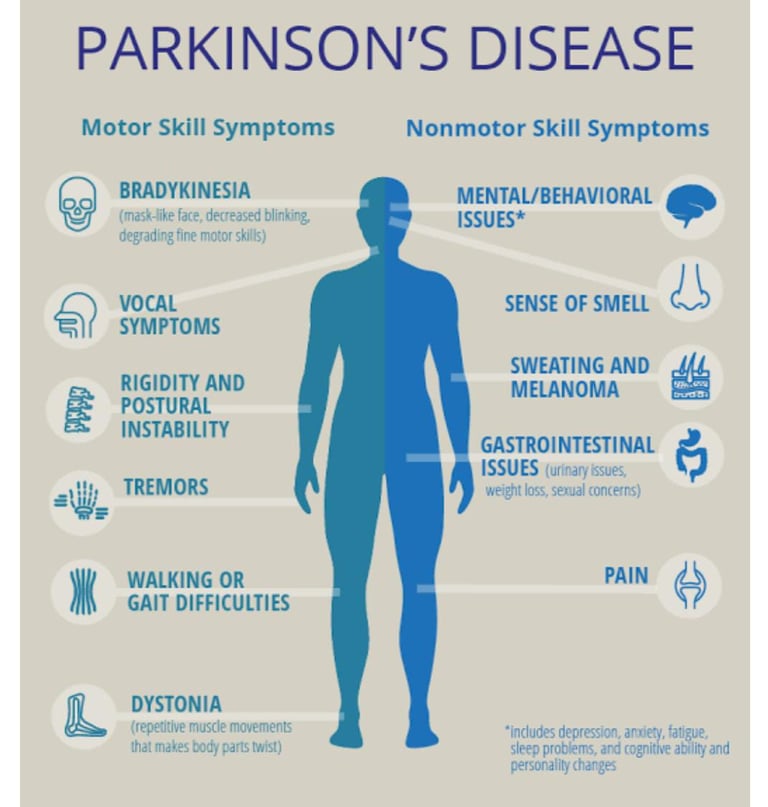
Parkinson's Disease is a neurodegenerative disorder caused by the destruction of dopamine-producing cells in the brain. Symptoms include tremors, muscle stiffness, slow movement, and balance issues. In Ayurveda, Parkinson's is referred to as "Kampavata" or "Vatavyadhi," which occurs due to an imbalance in the Vata dosha. Vata governs movement and the nervous system, and its imbalance disrupts brain and body functions.
What is Parkinson's Disease?
Parkinson's Disease is a progressive neurological disorder that affects movement. It occurs when dopamine-producing neurons in the brain degenerate. Dopamine is a neurotransmitter responsible for controlling body movements. Its deficiency leads to symptoms like tremors, stiffness, and slow movement.
Symptoms of Parkinson's Disease
1. Tremors: Shaking in hands, legs, or face.
2. Muscle Rigidity: Stiffness and pain in muscles.
3. Bradykinesia: Slowness in movement, walking, or speaking.
4. Balance Issues: Difficulty in maintaining balance, leading to falls.
5. Other Symptoms: Sleep disturbances, depression, and memory issues.
Ayurvedic Perspective on Parkinson's
According to Ayurveda, Parkinson's is caused by an imbalance in the Vata dosha, which controls the nervous system and body movements. When Vata is aggravated, it disrupts the brain's functioning and affects motor skills, leading to symptoms like tremors and stiffness. Ayurveda focuses on balancing Vata and strengthening the nervous system through herbs, therapies, and lifestyle changes.
Ayurvedic Treatment for Parkinson's Disease
1. Ayurvedic Herbs
- Ashwagandha (Withania Somnifera): Strengthens the nervous system, reduces muscle stiffness, and improves energy.
- Brahmi (Bacopa Monnieri): Enhances brain function, improves memory, and calms the mind.
- Shankhpushpi (Convolvulus Pluricaulis): Reduces stress and anxiety while improving cognitive function.
- Turmeric (Curcuma Longa): Contains curcumin, which reduces brain inflammation and oxidative stress.
- Guggul (Commiphora Mukul): Reduces joint and muscle stiffness, improves mobility.
2. Ayurvedic Oils and Massage
- Mahanarayan Oil: Massaging with this oil reduces muscle stiffness and pain.
- Dhanwantharam Oil: Strengthens the nervous system and balances Vata dosha.
- Coconut or Sesame Oil: Warm oil massage improves blood circulation and relaxes muscles.
3. Panchakarma Therapies
- Abhyangam (Oil Massage): Relaxes muscles, improves mobility, and balances Vata.
- Shirodhara: Pouring medicated oil on the forehead calms the mind and reduces stress.
- Basti (Enema Therapy): One of the most effective treatments for balancing Vata dosha.
4. Diet and Lifestyle Changes
- Balanced Diet: Include fresh fruits, vegetables, whole grains, and nuts. Avoid processed and cold foods.
- Regular Exercise: Yoga and Pranayama improve flexibility, balance, and muscle strength.
- Adequate Sleep: Proper rest is essential for brain and body health.
- Stress Management: Meditation and breathing exercises help reduce stress and anxiety.
Ayurvedic Formulations for Parkinson's
1. Ashwagandharishta: Strengthens the nervous system and boosts energy.
2. Brahmi Vati: Improves brain function and memory.
3. Yogaraj Guggul: Reduces joint and muscle stiffness.
4. Vatagajankush Ras: Balances Vata dosha and alleviates Parkinson's symptoms.
Precautions
1. Always consult a qualified Ayurvedic practitioner before starting any treatment.
2. Avoid self-medication or incorrect use of herbs.
3. Be patient, as Ayurvedic treatments work gradually and focus on long-term healing.
Conclusion
Parkinson's Disease is a challenging condition, but Ayurveda offers natural and holistic solutions to manage its symptoms. Herbs like Ashwagandha, Brahmi, and Guggul strengthen the nervous system, while therapies like Abhyangam and Shirodhara balance Vata dosha. Combined with a healthy diet, regular exercise, and stress management, Ayurveda can significantly improve the quality of life for Parkinson's patients.
Diabetes: Solution for Ayurvedic Full details


Diabetes, known as Madhumeha in Ayurveda, is a metabolic disorder characterized by high blood sugar levels. Ayurveda views diabetes as a condition primarily caused by an imbalance in the Kapha dosha, though Vata and Pitta imbalances can also contribute. The Ayurvedic approach to diabetes is holistic, focusing on balancing the doshas, improving digestion, detoxifying the body, and enhancing overall well-being.
Understanding Diabetes in Ayurveda
In Ayurveda, diabetes is classified into 20 types of Prameha (urinary disorders), with Madhumeha (sweet urine) being the most severe. The condition is linked to impaired Agni (digestive fire) and the accumulation of Ama (toxins) in the body. Poor diet, sedentary lifestyle, stress, and genetic factors are considered key contributors.
Ayurvedic Approach to Diabetes
The Ayurvedic treatment for diabetes focuses on:
1. Balancing Doshas: Pacifying Kapha and Vata while supporting Pitta.
2. Improving Digestion: Enhancing Agni to prevent the formation of Ama.
3. Detoxification: Cleansing the body of accumulated toxins.
4. Lifestyle Modifications: Incorporating diet, exercise, and daily routines that support metabolic health.
5. Herbal Support: Using herbs to regulate blood sugar and improve pancreatic function.
Ayurvedic Solutions for Diabetes
1. Herbal Remedies
Ayurveda offers a range of herbs that can help manage diabetes and improve overall health:
- Jamun (Indian Blackberry): The seeds and fruit are known to regulate blood sugar levels.
- Karela (Bitter Gourd): Helps improve insulin sensitivity and reduces blood sugar spikes.
- Gudmar (Gymnema Sylvestre): Known as the "sugar destroyer," it reduces sugar cravings and supports pancreatic function.
- Neem: Purifies the blood and improves insulin utilization.
- Turmeric: Its anti-inflammatory properties help improve metabolism and reduce insulin resistance.
- Fenugreek (Methi): The seeds are rich in fiber and help regulate blood sugar levels.
Preparation: These herbs can be consumed as powders, teas, or capsules. Consult an Ayurvedic practitioner for the right dosage.
2. Dietary Recommendations
A balanced diet is crucial for managing diabetes. Follow these guidelines:
- Favor Bitter and Astringent Foods: Bitter gourd, fenugreek, and leafy greens help balance Kapha and regulate blood sugar.
- Include Whole Grains: Brown rice, barley, and oats are better alternatives to refined grains.
- Avoid Sugary and Processed Foods: These can cause blood sugar spikes and worsen the condition.
- Use Healthy Fats: Ghee, coconut oil, and olive oil in moderation support digestion and metabolism.
- Eat at Regular Intervals: Maintain a consistent eating schedule to stabilize blood sugar levels.
3. Lifestyle Changes
- Exercise Regularly: Engage in moderate activities like walking, yoga, or swimming to improve insulin sensitivity.
- Pranayama (Breathing Exercises): Practices like Bhastrika (Bellows Breath) and Kapalbhati (Skull-Shining Breath) help improve metabolism and reduce stress.
- Maintain a Healthy Weight: Excess weight can worsen insulin resistance, so aim for a balanced weight.
- Avoid Sedentary Habits: Incorporate movement into your daily routine.
4. Panchakarma Therapy
Panchakarma is a detoxification process that can be highly beneficial for diabetes management. Specific therapies include:
- Abhyanga (Oil Massage): Improves circulation and balances doshas.
- Udwartana (Herbal Powder Massage): Helps reduce Kapha and improve metabolism.
- Virechana (Therapeutic Purgation): Removes excess Pitta and toxins from the body.
- Basti (Medicated Enema): Cleanses the colon and balances Vata.
5. Home Remedies
- Jamun Seed Powder: Dry and powder Jamun seeds. Take 1 tsp with water twice daily to regulate blood sugar.
- Karela Juice: Drink 30 ml of fresh bitter gourd juice every morning on an empty stomach.
- Fenugreek Water: Soak 1 tsp of fenugreek seeds overnight in water. Drink the water and chew the seeds in the morning.
- Cinnamon Water: Boil 1 tsp of cinnamon powder in water, strain, and drink daily to improve insulin sensitivity.
Emotional and Mental Well-being
Diabetes can be stressful, and stress can worsen the condition. Ayurveda emphasizes the importance of emotional balance:
- Meditation: Practice mindfulness or mantra meditation to reduce stress.
- Yoga Nidra: A guided relaxation technique that helps calm the mind and body.
- Positive Affirmations: Focus on gratitude and positivity to improve mental resilience.
Prevention and Long-term Management
- Regular Monitoring: Check blood sugar levels regularly to stay on track.
- Avoid Triggers: Stay away from sugary, processed, and fried foods.
- Stay Active: Engage in light exercises like walking or yoga to maintain metabolic health.
- Sleep Well: Ensure 7-8 hours of quality sleep to support overall health.
When to Seek Professional Help
While Ayurveda offers effective solutions, diabetes is a serious condition that may require medical intervention. If symptoms worsen, such as frequent urination, extreme thirst, or unexplained weight loss, consult a healthcare professional.
Conclusion
Ayurveda provides a compassionate and holistic approach to managing diabetes. By balancing the doshas, improving digestion, and adopting a healthy lifestyle, individuals can experience better blood sugar control and a higher quality of life. Always consult a qualified Ayurvedic practitioner before starting any treatment to ensure it is tailored to your unique constitution and needs.


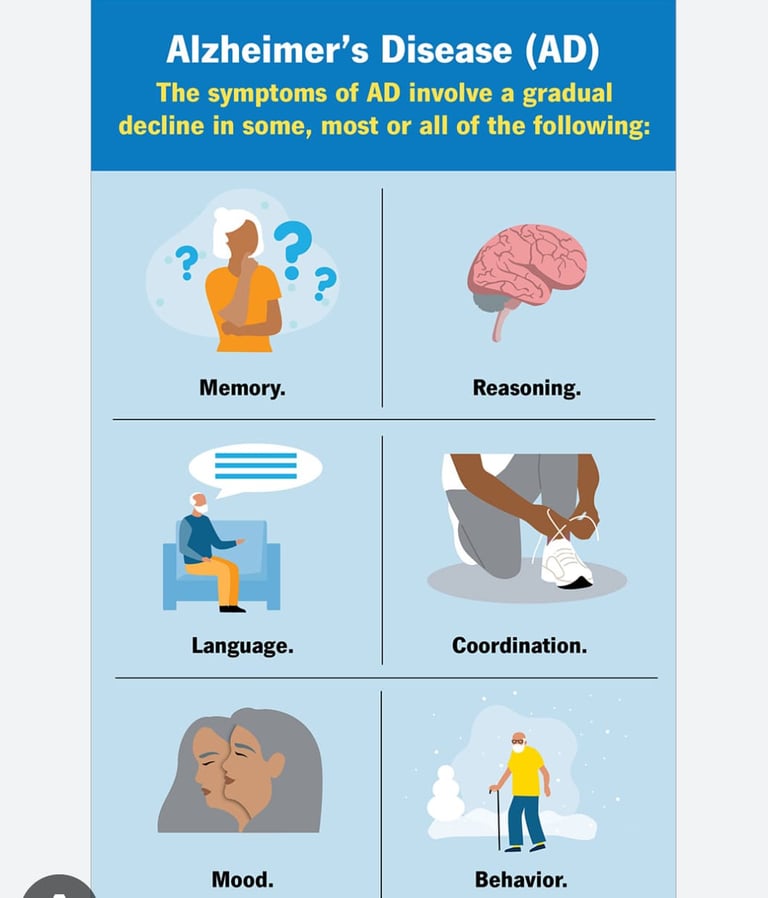
Alzheimer's Disease: Solution for Ayurvedic full information


अल्जाइमर रोग (Alzheimer's Disease) एक प्रगतिशील न्यूरोडीजेनेरेटिव बीमारी है, जो मस्तिष्क की कोशिकाओं को नष्ट कर देती है। इसके कारण याददाश्त कमजोर हो जाती है, सोचने-समझने की क्षमता प्रभावित होती है, और दैनिक जीवन के कार्य करने में कठिनाई होती है। पश्चिमी चिकित्सा पद्धति में अभी तक इसका कोई स्थायी इलाज नहीं है, लेकिन आयुर्वेद में कुछ ऐसे उपचार और जीवनशैली परिवर्तन सुझाए गए हैं, जो अल्जाइमर के लक्षणों को कम करने और मस्तिष्क की सेहत को बेहतर बनाने में मदद कर सकते हैं।
अल्जाइमर रोग क्या है? (What is Alzheimer's Disease?)
अल्जाइमर रोग मस्तिष्क की एक गंभीर बीमारी है, जो धीरे-धीरे याददाश्त और सोचने की क्षमता को कमजोर कर देती है। यह डिमेंशिया (मनोभ्रंश) का सबसे आम प्रकार है। इस बीमारी में मस्तिष्क की कोशिकाएं नष्ट हो जाती हैं, जिससे मस्तिष्क का आकार सिकुड़ने लगता है।
अल्जाइमर के लक्षण (Symptoms of Alzheimer's)
1. याददाश्त कमजोर होना (Memory Loss)
2. सोचने-समझने में कठिनाई (Difficulty in Thinking)
3. भाषा संबंधी समस्याएं (Language Problems)
4. मूड और व्यवहार में बदलाव (Mood and Behavior Changes)
5. दैनिक कार्यों को करने में परेशानी (Difficulty in Daily Tasks)
अल्जाइमर के कारण (Causes of Alzheimer's)
1. मस्तिष्क में प्रोटीन का जमाव (Amyloid Plaques and Tau Tangles)
2. जेनेटिक कारण (Genetic Factors)
3. उम्र बढ़ना (Aging)
4. जीवनशैली और पर्यावरणीय कारक (Lifestyle and Environmental Factors)
आयुर्वेदिक दृष्टिकोण (Ayurvedic Perspective)
आयुर्वेद के अनुसार, अल्जाइमर रोग "वात दोष" के असंतुलन के कारण होता है। वात दोष मस्तिष्क और तंत्रिका तंत्र को नियंत्रित करता है। जब वात दोष असंतुलित हो जाता है, तो यह मस्तिष्क की कोशिकाओं को कमजोर कर देता है, जिससे याददाश्त और सोचने की क्षमता प्रभावित होती है।
अल्जाइमर के लिए आयुर्वेदिक उपचार (Ayurvedic Treatment for Alzheimer's)
1. आयुर्वेदिक जड़ी-बूटियाँ (Herbs)
- ब्राह्मी (Bacopa Monnieri): यह मस्तिष्क की कोशिकाओं को मजबूत करती है और याददाश्त को बेहतर बनाती है।
- अश्वगंधा (Withania Somnifera): यह तनाव को कम करती है और मस्तिष्क की कार्यक्षमता को बढ़ाती है।
- शंखपुष्पी (Convolvulus Pluricaulis): यह मस्तिष्क को शांत करती है और याददाश्त को सुधारती है।
- जटामांसी (Nardostachys Jatamansi): यह तंत्रिका तंत्र को मजबूत करती है और मानसिक शांति प्रदान करती है।
- हल्दी (Curcuma Longa): इसमें करक्यूमिन होता है, जो मस्तिष्क की सूजन को कम करता है।
2. आयुर्वेदिक तेल और मालिश (Oils and Massage)
- ब्राह्मी तेल: इस तेल से सिर की मालिश करने से मस्तिष्क को ऊर्जा मिलती है।
- नारियल तेल और तिल का तेल: इन तेलों से मालिश करने से वात दोष संतुलित होता है।
3. पंचकर्म चिकित्सा (Panchakarma Therapy)
- शिरोधारा: इस प्रक्रिया में माथे पर औषधीय तेल की धारा डाली जाती है, जो मस्तिष्क को शांत करती है।
- नस्यम: नाक के माध्यम से औषधीय तेल डाला जाता है, जो मस्तिष्क को पोषण देता है।
4. आहार और जीवनशैली (Diet and Lifestyle)
- संतुलित आहार: ताजे फल, सब्जियां, साबुत अनाज, और नट्स का सेवन करें।
- नियमित व्यायाम: योग और प्राणायाम मस्तिष्क की सेहत के लिए फायदेमंद हैं।
- पर्याप्त नींद: अच्छी नींद मस्तिष्क को स्वस्थ रखती है।
- तनाव प्रबंधन: ध्यान और योग से तनाव को कम किया जा सकता है।
अल्जाइमर के लिए आयुर्वेदिक फॉर्मूले (Ayurvedic Formulations)
1. ब्राह्मी वटी: याददाश्त और मस्तिष्क की कार्यक्षमता को बेहतर बनाती है।
2. स्मृतिसागर रस: मस्तिष्क को तेज और याददाश्त को मजबूत करता है।
3. मंडूकपर्णी घन वटी: यह तनाव को कम करती है और मस्तिष्क को शांत करती है।
4. अश्वगंधा चूर्ण: यह शरीर और मस्तिष्क को ऊर्जा प्रदान करता है।
सावधानियाँ (Precautions)
1. आयुर्वेदिक उपचार शुरू करने से पहले किसी योग्य आयुर्वेदिक चिकित्सक से परामर्श करें।
2. गलत मात्रा या गलत तरीके से जड़ी-बूटियों का उपयोग न करें।
3. नियमित रूप से उपचार का पालन करें और धैर्य रखें, क्योंकि आयुर्वेदिक उपचार धीरे-धीरे काम करता है।
निष्कर्ष (Conclusion)
अल्जाइमर रोग एक गंभीर बीमारी है, लेकिन आयुर्वेदिक उपचार और जीवनशैली में बदलाव करके इसके लक्षणों को कम किया जा सकता है। ब्राह्मी, अश्वगंधा, और शंखपुष्पी जैसी जड़ी-बूटियाँ मस्तिष्क की सेहत के लिए बहुत फायदेमंद हैं। सही आहार, योग, और तनाव प्रबंधन से अल्जाइमर के प्रभाव को कम किया जा सकता है।

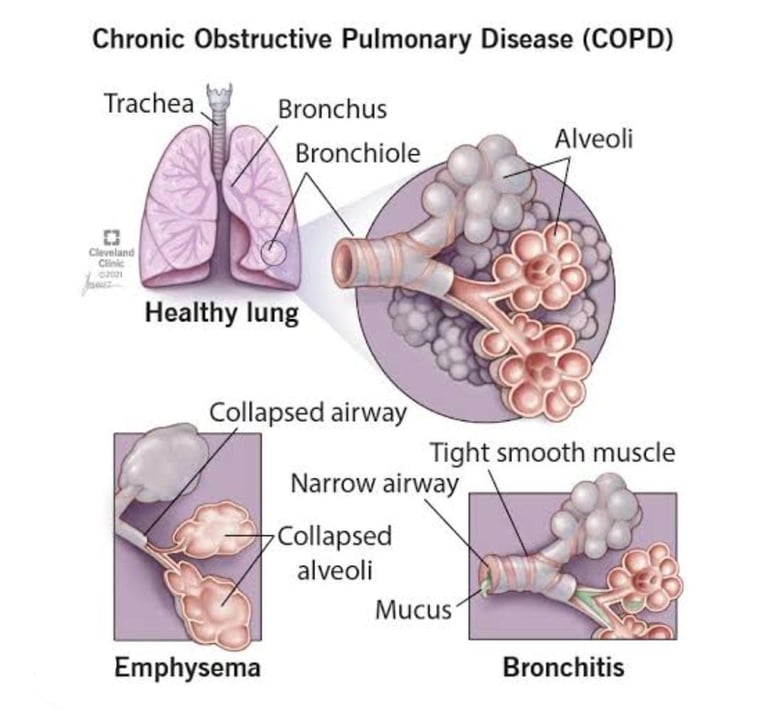
Chronic Obstructive Pulmonary Disease (COPD): Treatment for Ayurvedic 🌳


Chronic Obstructive Pulmonary Disease (COPD) is a progressive lung condition that makes it difficult to breathe. While modern medicine offers treatments like bronchodilators, steroids, and oxygen therapy, Ayurveda provides a holistic approach to managing COPD by addressing the root cause, improving lung function, and enhancing overall well-being.
Understanding COPD in Ayurveda
In Ayurveda, COPD is closely related to the imbalance of Vata and Kapha doshas. The condition is often associated with Pranavaha Srotas (respiratory system) and can be linked to Rajayakshma (a condition involving chronic respiratory issues). The accumulation of Ama (toxins) in the lungs and the weakening of Ojas (vital energy) also play a significant role.
Ayurvedic Approach to COPD
The Ayurvedic treatment for COPD focuses on:
1. Balancing Doshas: Pacifying Vata and Kapha.
2. Detoxification: Removing Ama (toxins) from the lungs.
3. Strengthening Lungs: Enhancing lung capacity and function.
4. Boosting Immunity: Improving Ojas to prevent infections and complications.
5. Lifestyle Modifications: Incorporating diet, exercise, and daily routines that support respiratory health.
Ayurvedic Solutions for COPD
1. Herbal Remedies
Ayurveda offers a range of herbs that can help manage COPD symptoms and improve lung health:
- Tulsi (Holy Basil): Acts as a natural expectorant and boosts immunity.
- Vasa (Adhatoda Vasica): Clears mucus and improves breathing.
- Licorice (Yashtimadhu): Soothes the respiratory tract and reduces inflammation.
- Pippali (Long Pepper): Strengthens the lungs and clears congestion.
- Ashwagandha: Improves overall vitality and reduces stress on the body.
- Ginger and Turmeric: Anti-inflammatory and antioxidant properties help reduce lung inflammation.
Preparation: These herbs can be taken as teas, decoctions, or in powdered form. Consult an Ayurvedic practitioner for the right dosage.
2. Panchakarma Therapy
Panchakarma is a detoxification process that can be highly beneficial for COPD patients. Specific therapies include:
- Abhyanga (Oil Massage): Improves circulation and reduces Vata imbalance.
- Swedana (Herbal Steam Therapy): Clears congestion and opens airways.
- Vamana (Therapeutic Vomiting): Removes excess Kapha and toxins.
- Nasya (Nasal Therapy): Clears sinuses and improves breathing.
3. Dietary Recommendations
A balanced diet is crucial for managing COPD. Follow these guidelines:
- Favor Warm and Light Foods: Soups, stews, and steamed vegetables are easy to digest and nourishing.
- Include Spices: Ginger, turmeric, cumin, and black pepper aid digestion and reduce inflammation.
- Avoid Cold and Heavy Foods: Dairy, fried foods, and processed sugars can increase Kapha and mucus production.
- Stay Hydrated: Warm water or herbal teas help thin mucus and keep the respiratory tract moist.
4. Lifestyle Changes
- Pranayama (Breathing Exercises): Practices like Anulom Vilom (alternate nostril breathing) and Kapalbhati (skull-shining breath) strengthen the lungs and improve oxygen flow.
- Yoga: Gentle asanas like Bhujangasana (Cobra Pose), Matsyasana (Fish Pose), and Sukhasana (Easy Pose) support respiratory health.
- Avoid Smoking and Pollution: These are major triggers for COPD and should be avoided at all costs.
- Maintain a Regular Routine: Going to bed and waking up at the same time helps balance the doshas.
5. Home Remedies
- Honey and Ginger: Mix 1 tsp of honey with a few drops of ginger juice. Take twice daily to soothe the throat and reduce coughing.
- Tulsi Tea: Boil 5-6 Tulsi leaves in water, strain, and drink warm. It helps clear mucus and boosts immunity.
- Steam Inhalation: Add a few drops of eucalyptus oil to hot water and inhale the steam to open up airways.
Emotional and Mental Well-being
COPD can take a toll on mental health, leading to anxiety and depression. Ayurveda emphasizes the importance of emotional balance:
- Meditation: Practice mindfulness or mantra meditation to reduce stress.
- Positive Affirmations: Focus on gratitude and positivity to improve mental resilience.
- Connect with Nature: Spend time outdoors in fresh air to uplift your spirits.
Prevention and Long-term Management
- Regular Check-ups: Monitor lung function and overall health regularly.
- Avoid Triggers: Stay away from allergens, pollutants, and cold environments.
- Stay Active: Engage in light exercises like walking or yoga to maintain lung strength.
When to Seek Professional Help
While Ayurveda offers effective solutions, COPD is a serious condition that may require medical intervention. If symptoms worsen, such as severe shortness of breath, bluish lips, or confusion, seek immediate medical attention.
Conclusion
Ayurveda provides a compassionate and holistic approach to managing COPD. By balancing the doshas, detoxifying the body, and adopting a healthy lifestyle, individuals can experience improved lung function and a better quality of life. Always consult a qualified Ayurvedic practitioner before starting any treatment to ensure it is tailored to your unique constitution and needs.

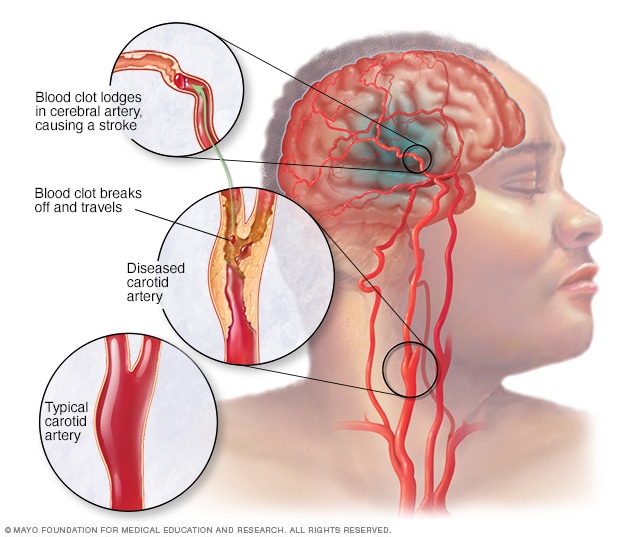
Ayurvedic Solutions for Brain Stroke: 🤯
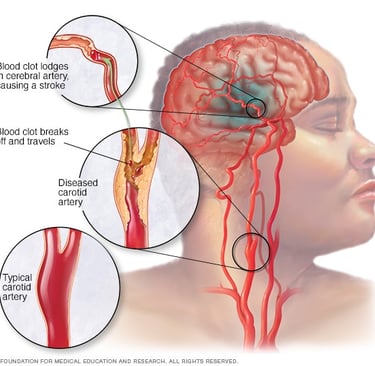
Stroke, a medical condition caused by interrupted blood flow to the brain, can lead to severe physical and mental challenges. While modern medicine plays a critical role in stroke management, Ayurveda offers complementary and holistic solutions to support recovery and improve quality of life. Ayurveda focuses on balancing the body, mind, and spirit, and its natural therapies can be integrated into stroke care.
🤯Understanding Stroke in Ayurveda
In Ayurveda, stroke is often associated with an imbalance in Vata dosha, which governs movement and neurological functions. A stroke is referred to as "Pakshaghata", where "Paksha" means side (of the body) and "Aghata" means paralysis. Ayurveda emphasizes restoring balance to Vata, improving blood circulation, and rejuvenating the nervous system.
🤯Ayurvedic Principles for Stroke Recovery
1. Balance Vata Dosha: Since stroke is linked to aggravated Vata, therapies aim to calm and stabilize this dosha.
2. Improve Circulation: Ayurveda focuses on enhancing blood flow to the brain and affected areas.
3. Strengthen Nervous System: Herbs and therapies are used to rejuvenate the nervous system and restore motor functions.
4. Detoxify the Body: Panchakarma therapies help remove toxins that may hinder recovery.
5. Promote Mental Clarity: Stroke can affect mental health, so Ayurveda emphasizes calming the mind and improving cognitive function.
🤯Ayurvedic Therapies for Stroke Recovery
1. Panchakarma (Detoxification):
- Abhyanga (Oil Massage): Warm herbal oils like Mahanarayan oil or Bala oil are used to improve circulation, reduce muscle stiffness, and calm Vata.
- Shirodhara: A continuous stream of warm oil is poured on the forehead to relax the nervous system and improve mental clarity.
- Basti (Medicated Enema): Herbal enemas help balance Vata and remove toxins from the body.
- Nasya (Nasal Therapy): Medicated oils or herbal powders are administered through the nose to enhance brain function and clear blockages.
2. Herbal Remedies:
- Ashwagandha: Strengthens the nervous system, reduces stress, and improves muscle strength.
- Brahmi: Enhances brain function, memory, and cognitive abilities.
- Guggulu: Supports blood circulation and reduces inflammation.
- Shankhpushpi: Calms the mind and improves neurological functions.
- Turmeric: Reduces inflammation and supports overall healing.
3. Diet and Nutrition:
- Warm, Nourishing Foods: Include soups, stews, and cooked vegetables to balance Vata.
- Healthy Fats: Use ghee, sesame oil, and olive oil to lubricate tissues and improve brain health.
- Avoid Cold and Dry Foods: Reduce raw salads, cold drinks, and processed foods, as they aggravate Vata.
- Hydration: Drink warm water or herbal teas like ginger or cinnamon to improve digestion and circulation.
4. Lifestyle Practices:
- Yoga and Pranayama: Gentle yoga poses and breathing exercises like Anulom Vilom and Bhramari improve blood flow, reduce stress, and enhance mobility.
- Meditation: Regular meditation calms the mind, reduces anxiety, and supports emotional healing.
- Daily Routine (Dinacharya): Follow a consistent daily routine to stabilize Vata and promote overall well-being.
5. External Therapies:
- Pinda Sweda (Herbal Bolus Massage): Warm herbal poultices are used to massage the body, improving circulation and muscle strength.
- Kati Basti: Warm oil is pooled on the lower back to strengthen the nervous system and relieve stiffness.
🤯 Emotional and Mental Support
Stroke recovery is not just physical; it also involves emotional and mental healing. Ayurveda emphasizes the importance of a supportive environment and positive mindset:
- Family Support: Encourage loved ones to participate in the recovery process, offering emotional and physical support.
- Counseling: Seek guidance from an Ayurvedic practitioner or counselor to address emotional challenges.
- Mindfulness: Practice gratitude and mindfulness to stay positive and motivated during recovery.
🤯 Preventive Measures
Ayurveda also focuses on preventing future strokes by maintaining a balanced lifestyle:
- Regular Exercise: Engage in light physical activities like walking or yoga to improve circulation.
- Stress Management: Practice meditation, deep breathing, or hobbies to reduce stress.
- Healthy Diet: Avoid excessive salt, sugar, and processed foods. Focus on fresh, whole foods.
- Routine Check-ups: Monitor blood pressure, cholesterol, and overall health regularly.
🤯 A Humanized Approach to Stroke Recovery
Recovering from a stroke is a journey that requires patience, compassion, and perseverance. Ayurveda offers a gentle, natural way to support this journey, focusing on the individual as a whole—body, mind, and spirit. It’s important to work closely with a qualified Ayurvedic practitioner to tailor therapies to your unique needs and condition.
Remember, healing takes time, and every small step forward is a victory. Surround yourself with love, positivity, and the wisdom of Ayurveda to reclaim your health and well-being.
🤯 Final Thoughts
Ayurveda provides a holistic and humanized approach to stroke recovery, emphasizing natural therapies, emotional support, and lifestyle changes. While it complements modern medical treatments, it’s essential to consult healthcare professionals before starting any new therapy. With dedication, care, and the right support, stroke recovery is not just possible but can lead to a fulfilling and balanced life.




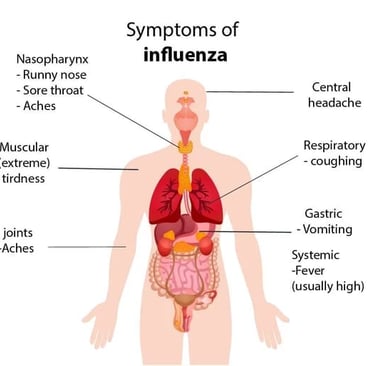
Boost Your Immunity: Ayurvedic Tips for Fighting Influenza😷


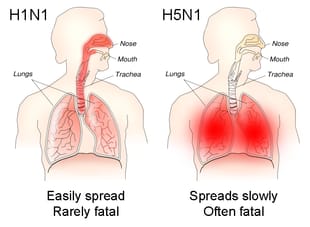
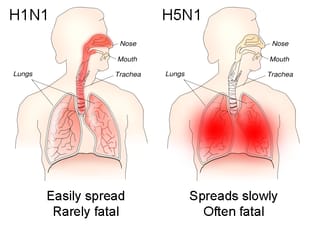
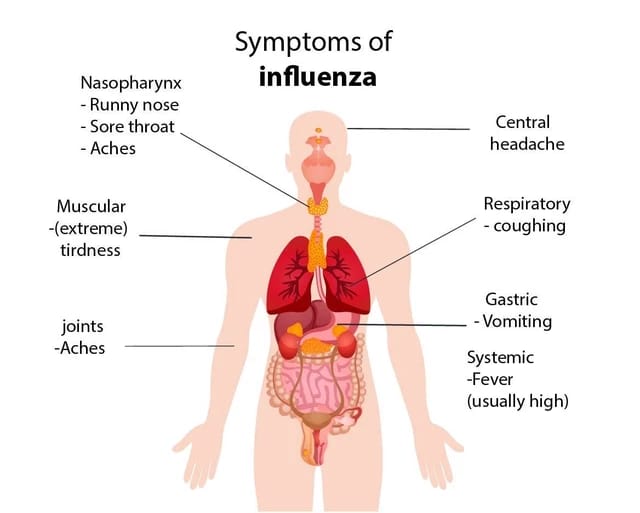
Influenza, commonly known as the flu, is a viral infection that affects the respiratory system. It can cause symptoms like fever, cough, sore throat, body aches, fatigue, and congestion. While modern medicine offers antiviral medications and vaccines, Ayurveda provides a natural and holistic approach to managing and preventing influenza. Below is a detailed, humanized, and original explanation of Ayurvedic solutions for influenza.
😷 Understanding Influenza in Ayurveda
In Ayurveda, influenza is often linked to an imbalance in the Kapha and Vata doshas. The accumulation of ama (toxins) in the body weakens the immune system, making it easier for viruses to invade. Ayurveda focuses on restoring balance, eliminating toxins, and strengthening the body's natural defenses to fight the infection.
😷 Key Principles of Ayurvedic Treatment for Influenza
1. Detoxification (Ama Pachana): Removing toxins from the body is the first step in treatment.
2. Balancing Doshas: Specific herbs and therapies are used to pacify aggravated Kapha and Vata.
3. Strengthening Immunity (Ojas): Boosting the body's natural defense mechanisms is crucial.
4. Symptom Relief: Ayurveda offers remedies to alleviate symptoms like fever, cough, and congestion.
😷 Ayurvedic Herbs for Influenza
Ayurveda relies on natural herbs to treat influenza. Some of the most effective herbs include:
1. Tulsi (Holy Basil):
- Tulsi is a powerful immunomodulator and antiviral herb.
- It helps reduce fever, clear congestion, and soothe the throat.
- How to use: Chew fresh Tulsi leaves or drink Tulsi tea.
2. Ginger (Adrak):
- Ginger has anti-inflammatory and antiviral properties.
- It helps relieve sore throat, reduce fever, and improve digestion.
- How to use: Boil fresh ginger in water, strain, and drink as tea.
3. Turmeric (Haridra):
- Turmeric is a natural antiseptic and immunity booster.
- It helps reduce inflammation and fight infections.
- How to use: Mix 1 teaspoon of turmeric powder in warm milk (golden milk) and drink before bed.
4. Licorice (Yashtimadhu):
- Licorice is known for its soothing and expectorant properties.
- It helps relieve cough and sore throat.
- How to use: Boil licorice root in water, strain, and drink the decoction.
5. Pippali (Long Pepper):
- Pippali is effective in clearing respiratory congestion and boosting immunity.
- How to use: Mix Pippali powder with honey and consume twice a day.
6. Black Pepper (Kali Mirch):
- Black pepper helps clear nasal congestion and improve digestion.
- How to use: Add crushed black pepper to herbal teas or warm water.
😷 Ayurvedic Remedies for Influenza
1. Herbal Teas:
- Prepare a tea using Tulsi, ginger, and black pepper. Boil these ingredients in water, strain, and drink warm. Add honey for taste and additional soothing benefits.
2. Turmeric Milk:
- Mix 1 teaspoon of turmeric powder in a glass of warm milk. Drink this before bed to boost immunity and reduce inflammation.
3. Steam Inhalation:
- Add a few drops of eucalyptus oil or crushed mint leaves to hot water. Inhale the steam to clear nasal congestion.
4. Herbal Decoctions (Kashayam):
- Prepare a decoction using Tulsi, ginger, and licorice. Boil these ingredients in water, strain, and drink warm.
5. Ayurvedic Formulations:
- Sitopaladi Churna: A classical Ayurvedic formulation for respiratory health. Mix 1 teaspoon with honey and consume twice a day.
- Talisadi Churna: Effective for cough and congestion. Take with warm water or honey.
6. Oil Massage (Abhyanga):
- Massage the chest and back with warm sesame oil or eucalyptus oil to relieve congestion and body aches.
😷 Diet and Lifestyle Recommendations
1. Diet:
- Eat light, warm, and easily digestible foods like khichdi (rice and lentil porridge), soups, and steamed vegetables.
- Avoid cold, heavy, and oily foods that can aggravate Kapha.
- Stay hydrated with warm water, herbal teas, and ginger-infused water.
2. Rest:
- Adequate rest is essential for recovery. Avoid physical and mental stress.
3. Hygiene:
- Maintain cleanliness to prevent the spread of infection. Wash hands frequently and avoid close contact with others.
😷Prevention in Ayurveda
1. Boost Immunity:
- Regularly consume immunity-boosting herbs like Ashwagandha, Tulsi, and Amla.
2. Nasya Therapy:
- Administer 2-3 drops of medicated oil (like Anu Taila) into the nostrils to strengthen the respiratory system.
3. Daily Routine (Dinacharya):
- Follow a daily routine that includes practices like oil pulling, tongue scraping, and meditation to maintain overall health.
😷 Important Notes
- Ayurvedic treatment should be undertaken under the guidance of a qualified Ayurvedic practitioner.
- Severe cases of influenza, especially in high-risk individuals, may require medical attention. Ayurveda can be used as a complementary therapy in such cases.
- Always inform your healthcare provider about any Ayurvedic remedies you are using to avoid potential interactions with conventional medicines.
😷 Final Thoughts
Ayurveda offers a natural and holistic approach to managing influenza, focusing on detoxification, balancing doshas, and strengthening immunity. By adopting a balanced lifestyle, eating nourishing foods, and using Ayurvedic herbs, you can support your body's healing process and prevent future infections.


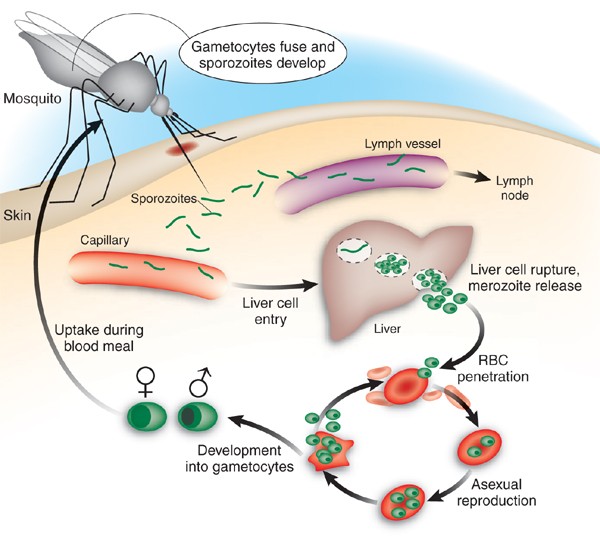
Beat Malaria Naturally: Ayurvedic Treatments and Tips🦟


Malaria is a life-threatening disease caused by parasites transmitted to humans through the bites of infected female Anopheles mosquitoes. While modern medicine offers effective treatments like antimalarial drugs, Ayurveda, the ancient Indian system of medicine, provides alternative approaches to managing malaria. Below is a detailed, humanized explanation of Ayurvedic treatment for malaria, written in an original and personalized manner.
🦟Understanding Malaria in Ayurveda
In Ayurveda, malaria is closely associated with the concept of Vishama Jwara, a type of intermittent fever caused by imbalances in the body's doshas (Vata, Pitta, and Kapha). The disease is believed to result from the accumulation of toxins (ama) in the body, which disrupts the immune system and creates an environment for parasites to thrive.
Ayurveda focuses on restoring balance, eliminating toxins, and strengthening the body's natural defenses. The treatment is holistic, addressing not just the symptoms but also the root cause of the disease.
🦟 Key Principles of Ayurvedic Treatment for Malaria
1. Detoxification (Ama Pachana): Removing toxins from the body is the first step. This is done through herbs and dietary changes.
2. Balancing Doshas: Specific herbs and therapies are used to pacify the aggravated doshas.
3. Strengthening Immunity (Ojas): Ayurveda emphasizes boosting the body's natural immunity to fight infections.
4. Symptom Management: Herbs and remedies are used to alleviate symptoms like fever, chills, and body aches.
🦟Ayurvedic Herbs for Malaria
Ayurveda relies heavily on natural herbs to treat malaria. Some of the most effective herbs include:
1. Giloy (Tinospora Cordifolia):
- Known as Amrita (the root of immortality), Giloy is a potent antipyretic (fever-reducing) herb.
- It boosts immunity and helps detoxify the body.
- How to use: Boil Giloy stems in water, strain, and drink the decoction twice a day.
2. Neem (Azadirachta Indica):
- Neem has antiparasitic and blood-purifying properties.
- It helps reduce fever and cleanse the body of toxins.
- How to use: Consume neem leaves juice or take neem capsules.
3. Tulsi (Holy Basil):
- Tulsi is a powerful immunomodulator and antipyretic.
- It helps reduce fever and supports respiratory health.
- How to use: Chew fresh Tulsi leaves or drink Tulsi tea.
4. Chirayata (Swertia Chirata):
- Chirayata is a bitter herb known for its antipyretic and antiparasitic properties.
- It is particularly effective in treating intermittent fevers.
- How to use: Take Chirayata powder with honey or as a decoction.
5. Papaya Leaves:
- Papaya leaves are rich in enzymes that help increase platelet count, which can drop during malaria.
- How to use: Crush fresh papaya leaves, extract the juice, and consume 1-2 teaspoons daily.
🦟 Ayurvedic Remedies for Malaria
1. Decoctions (Kashayam):
- Prepare a decoction using Giloy, Tulsi, and Ginger. Boil these ingredients in water, strain, and drink warm. This helps reduce fever and detoxify the body.
2. Herbal Powders (Churna):
- Mix equal parts of Amla (Indian Gooseberry), Giloy, and Neem powder. Take 1 teaspoon of this mixture with warm water twice a day.
3. Ayurvedic Formulations:
- Sudarshan Churna: A classical Ayurvedic formulation used to treat fevers, including malaria.
- Mahasudarshan Kadha: A herbal decoction that helps reduce fever and boost immunity.
4. Oil Massage (Abhyanga):
- Massaging the body with warm sesame oil can help improve circulation and reduce body aches associated with malaria.
🦟 Diet and Lifestyle Recommendations
1. Diet:
- Eat light, easily digestible foods like boiled rice, moong dal, and steamed vegetables.
- Avoid heavy, oily, and spicy foods that can aggravate Pitta and Kapha.
- Stay hydrated with warm water, herbal teas, and coconut water.
2. Rest:
- Adequate rest is crucial for recovery. Avoid physical and mental stress.
3. Hygiene:
- Maintain cleanliness to prevent mosquito bites. Use natural mosquito repellents like neem oil or citronella.
🦟 Prevention in Ayurveda
1. Boost Immunity:
- Regularly consume immunity-boosting herbs like Ashwagandha, Tulsi, and Amla.
2. Panchakarma:
- Undergo Panchakarma therapies like Virechana (purging) and Basti (enema) to detoxify the body periodically.
3. Herbal Smoke (Dhoopana):
- Burn herbs like Neem and Guggal to purify the air and repel mosquitoes.
🦟 Important Notes
- Ayurvedic treatment should be undertaken under the guidance of a qualified Ayurvedic practitioner.
- Severe cases of malaria, especially those caused by Plasmodium falciparum, require immediate medical attention. Ayurveda can be used as a complementary therapy in such cases.
- Always inform your healthcare provider about any Ayurvedic remedies you are using to avoid potential interactions with conventional medicines.
🦟Final Thoughts:
Ayurveda offers a holistic and natural approach to managing malaria, focusing on detoxification, balancing doshas, and strengthening immunity. While it can be highly effective, it is essential to combine Ayurvedic remedies with modern medical treatments, especially in severe cases. By adopting a balanced lifestyle, eating nourishing foods, and using Ayurvedic herbs, you can support your body's healing process and prevent future infections.


The Ayurvedic Path to TB Recovery: Natural Remedies and Practices


TB Solution in Ayurveda: Full Details and Best Lines
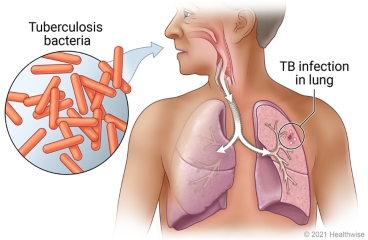
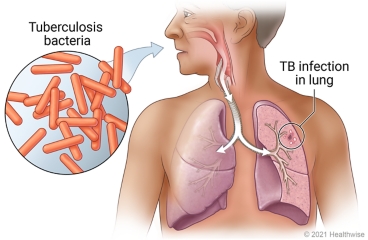
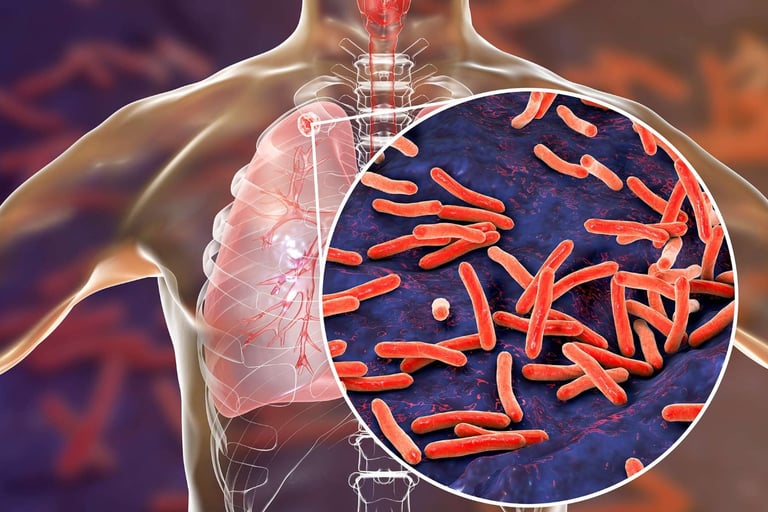
Tuberculosis (TB) is a serious infectious disease that primarily affects the lungs but can also impact other parts of the body. Ayurveda, the ancient Indian system of medicine, offers a holistic approach to managing TB by focusing on strengthening the immune system, detoxifying the body, and addressing the root cause of the disease. Below is a detailed overview of Ayurvedic solutions for TB, along with some of the best Ayurvedic remedies and practices.
🦠Ayurvedic Perspective on TB (Rajayakshma)
In Ayurveda, TB is referred to as "Rajayakshma", which means the "king of diseases." It is believed to be caused by an imbalance of the *Tridoshas* (Vata, Pitta, and Kapha), with a predominant aggravation of Vata. The disease is also associated with the depletion of *Ojas* (vital energy) and Dhatus (body tissues).
🦠Causes of TB in Ayurveda
1. Weak immune system (Ojas depletion).
2. Poor digestion and accumulation of toxins (Ama).
3. Improper diet and lifestyle.
4. Excessive physical or mental stress.
5. Exposure to infectious agents (bacteria).
🦠Ayurvedic Treatment Principles for TB
1. Balancing Doshas: Restoring the balance of Vata, Pitta, and Kapha.
2. Strengthening Immunity: Enhancing Ojas and overall vitality.
3. Detoxification: Removing Ama (toxins) from the body.
4. Rejuvenation: Nourishing and rebuilding damaged tissues (Dhatus).
5. Diet and Lifestyle: Adopting a healthy diet and routine.
🦠 Best Ayurvedic Remedies for TB
1. Chyawanprash:
A traditional Ayurvedic formulation made with Amla (Indian gooseberry), herbs, and spices.
Boosts immunity and rejuvenates the body.
2. Ashwagandha (Withania somnifera):
A powerful adaptogen that strengthens the immune system and reduces stress.
Helps in rebuilding body tissues and improving energy levels.
3. Tulsi (Holy Basil):
- Known for its anti-inflammatory, antimicrobial, and immunomodulatory properties.
- Helps in fighting infections and improving respiratory health.
4. Vasa (Adhatoda vasica):
- A potent herb for respiratory disorders.
- Helps in reducing cough, clearing mucus, and improving lung function.
5. Pippali (Long Pepper):
- Enhances digestion and absorption of nutrients.
- Supports respiratory health and reduces Kapha.
6. Sitopaladi Churna:
- A classical Ayurvedic formulation for respiratory health.
- Contains ingredients like Vanshlochan, Pippali, and Ela (cardamom).
7. Shilajit:
- A natural mineral pitch that boosts immunity and energy.
- Helps in tissue repair and rejuvenation.
8. Rasayana Therapy:
- Rejuvenation therapy using herbs like Amalaki, Guduchi, and Shatavari.
- Strengthens the body and improves overall health.
🦠 Ayurvedic Diet for TB
1. Easily Digestible Foods: Include soups, khichdi, and boiled vegetables.
2. Protein-Rich Foods: Lentils, mung beans, and dairy products like milk and ghee.
3. Fresh Fruits and Vegetables: Amla, oranges, pomegranates, and leafy greens.
4. Herbal Teas: Ginger tea, tulsi tea, and licorice tea.
5. Avoid: Cold, heavy, and processed foods.
🦠Lifestyle Recommendations
1. Practice Pranayama (breathing exercises) to improve lung capacity.
2. Get adequate rest and sleep to support healing.
3. Avoid stress and practice meditation or yoga.
4. Maintain proper hygiene to prevent the spread of infection.
🦠Best Ayurvedic Lines for TB
1. Dabur Chyawanprash: For boosting immunity and overall health.
2. Himalaya Ashwagandha: For strength and vitality.
3. Baidyanath Sitopaladi Churna: For respiratory health.
4. Zandu Chyawanprash: For rejuvenation and immunity.
5. Patanjali Divya Swasari Ras: For cough and respiratory support.
🦠Important Notes
- Ayurvedic treatment should be taken under the guidance of a qualified Ayurvedic practitioner.
- TB is a serious condition, and Ayurveda should be used as a complementary therapy alongside modern medical treatment (e.g., antibiotics like DOTS therapy).
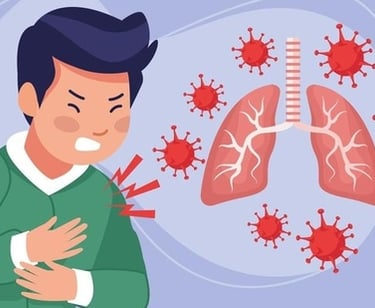


Unmasking Myths: Breaking Stereotypes About HIV/AIDS🧫


HIV/AIDS remains one of the most misunderstood conditions globally, surrounded by stigma, misinformation, and stereotypes. While modern medicine has made significant strides in managing HIV/AIDS with antiretroviral therapy (ART), many people also explore complementary approaches like Ayurveda to support their overall health and well-being. It’s important to note that Ayurveda is not a cure for HIV/AIDS, but it can play a supportive role in strengthening the immune system, managing symptoms, and improving quality of life.
🧫 Common Myths About HIV/AIDS
1. Myth: HIV/AIDS can spread through casual contact.
- Fact: HIV cannot be transmitted through touch, hugging, sharing utensils, or using the same toilet. It spreads only through specific bodily fluids like blood, semen, vaginal fluids, and breast milk.
2. Myth: HIV/AIDS is a death sentence.
- Fact: With proper medical care, including ART, people with HIV can live long, healthy lives. Early diagnosis and treatment are key.
3. Myth: Only certain groups of people get HIV.
- Fact: HIV can affect anyone, regardless of age, gender, or sexual orientation. Stereotyping only perpetuates stigma.
4. Myth: Ayurveda can cure HIV/AIDS.
- Fact: Ayurveda cannot cure HIV/AIDS, but it can help manage symptoms, boost immunity, and improve overall health when used alongside conventional treatment.
🧫 Ayurvedic Approach to Supporting HIV/AIDS
Ayurveda, the ancient Indian system of medicine, focuses on balancing the body, mind, and spirit. For individuals living with HIV/AIDS, Ayurveda can offer supportive care by:
- Strengthening the immune system.
- Reducing stress and anxiety.
- Managing side effects of ART.
- Improving digestion and nutrient absorption.
- Enhancing overall vitality.
🧫Key Ayurvedic Principles for HIV/AIDS Support
1. Balancing Doshas:
- HIV/AIDS is often associated with an imbalance in the Ojas (vital energy) and the Vata and Pitta doshas. Ayurvedic treatments aim to restore this balance.
2. Rasayana Therapy:
- Rasayana refers to rejuvenation therapies that help strengthen the body and mind. Herbs like Ashwagandha, Shatavari, and Amalaki are commonly used.
3. Diet and Lifestyle:
- A balanced diet rich in fresh fruits, vegetables, whole grains, and nuts is recommended.
- Avoid processed foods, alcohol, and smoking.
- Practice stress-reducing activities like yoga, meditation, and pranayama (breathing exercises).
🧫Ayurvedic Herbs for Immune Support
1. Ashwagandha (Withania somnifera):
- Boosts immunity, reduces stress, and improves energy levels.
2. Giloy (Tinospora cordifolia):
- Enhances immune function and helps fight infections.
3. Tulsi (Holy Basil):
- Acts as an adaptogen, reducing stress and supporting the immune system.
4. Amalaki (Indian Gooseberry):
- Rich in Vitamin C, it strengthens immunity and detoxifies the body.
5. Shatavari (Asparagus racemosus):
- Nourishes the body and supports overall vitality.
6. Neem (Azadirachta indica):
Has antiviral and antibacterial properties, helping to prevent secondary infections.
🧫Ayurvedic Therapies for HIV/AIDS Support
1. Panchakarma:
- A detoxification process that helps remove toxins from the body and rejuvenates the system. It should be done under the guidance of a qualified Ayurvedic practitioner.
2. Abhyanga (Oil Massage):
- Regular oil massage with sesame or medicated oils can help reduce stress and improve circulation.
3. Yoga and Meditation:
- Practices like yoga asanas (postures) and meditation can improve mental health, reduce stress, and enhance overall well-being.
🧫 Important Considerations
1. Consult a Qualified Practitioner:
- Always consult a qualified Ayurvedic practitioner and inform your primary healthcare provider before starting any Ayurvedic treatment.
2. Do Not Replace ART:
- Ayurveda should be used as a complementary therapy, not a replacement for antiretroviral therapy (ART). ART is essential for managing HIV/AIDS.
3. Monitor for Interactions:
- Some Ayurvedic herbs may interact with ART or other medications. Ensure proper monitoring and guidance.
4. Focus on Holistic Health:
- A holistic approach, including a healthy diet, regular exercise, and mental health support, is crucial for managing HIV/AIDS.
Conclusion
Breaking stereotypes about HIV/AIDS begins with education and empathy. While Ayurveda cannot cure HIV/AIDS, it can play a supportive role in enhancing immunity, managing symptoms, and improving quality of life. By combining the strengths of modern medicine and Ayurveda, individuals living with HIV/AIDS can lead healthier, more fulfilling lives. Always prioritize evidence-based treatment and consult healthcare professionals for personalized guidance.





NOTE: Some symptoms of HIV include fever, sore throat, red rashes on the body, fatigue, joint pain, and muscle pain. Ayurvedic practitioner and expert Dr. Smita Naram says, "Ayurveda cannot cure this disease but can provide relief!
सूचना: एचआईवी के कुछ लक्षणों में बुखार, गले में खराश, शरीर पर लाल चकत्ते, थकान, जोड़ों में दर्द, मांसपेशियों में दर्द शामिल हैं. आयुर्वेदिक चिकित्सक और विशेषज्ञ डॉ स्मिता नारम कहती हैं, 'आयुर्वेद इस बीमारी को ठीक नहीं कर सकता.लेकिन राहत प्रदान कर सकता है!


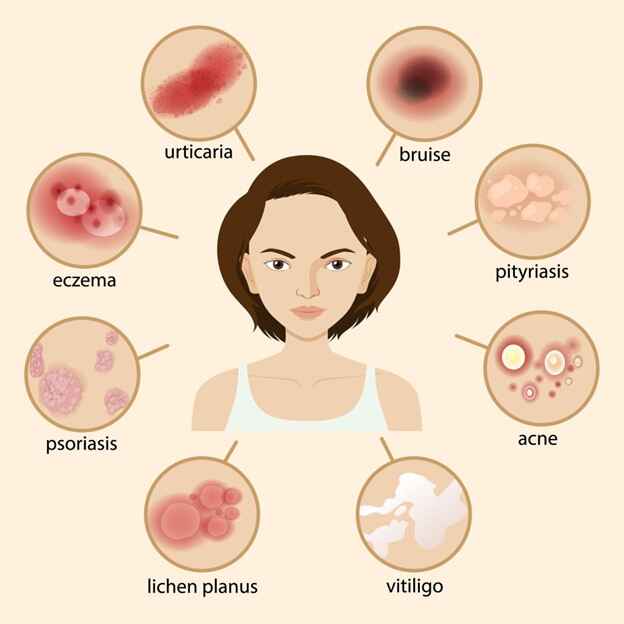
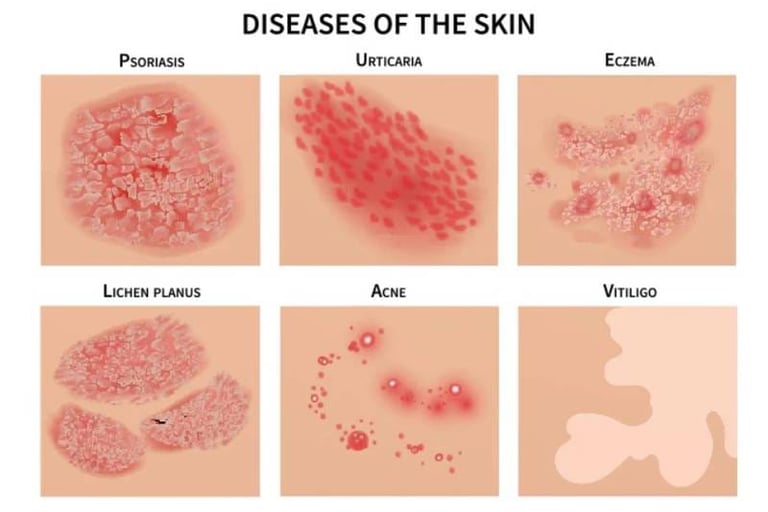
Ayurvedic Secrets to Combat Skin Infections: Tips and Treatments🤹🏻♂️


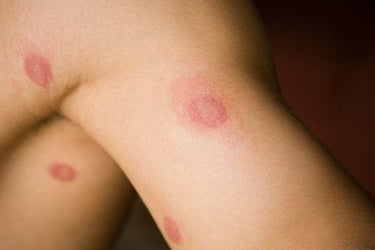
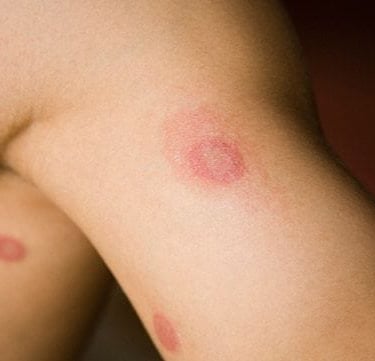
Skin infections can be uncomfortable and frustrating, but Ayurveda, the ancient Indian system of medicine, offers natural and holistic ways to address them. Rooted in balancing the body’s energies (doshas), Ayurveda emphasizes healing from within while using external remedies:
🦠 1. Neem: Nature’s Antiseptic
Neem is a powerhouse of antibacterial, antifungal, and anti-inflammatory properties. Crush neem leaves into a paste and apply it to the affected area, or use neem oil diluted with a carrier oil. Drinking neem tea or chewing a few leaves daily can also purify the blood and boost immunity.
🦠2. Turmeric: The Golden Healer
Turmeric’s active compound, curcumin, fights infections and reduces inflammation. Mix turmeric powder with water or honey to create a paste, and apply it to the skin. Drinking turmeric milk (haldi doodh) can also enhance internal healing.
🦠 3. Aloe Vera: Soothing and Healing
Aloe vera cools and repairs irritated skin. Apply fresh aloe gel directly to the infected area to reduce redness, itching, and inflammation. Its antimicrobial properties help speed up recovery.
🦠4. Triphala: Detoxify and Rejuvenate
Triphala, a blend of three fruits (amla, haritaki, and bibhitaki), detoxifies the body and promotes healthy skin. Drinking Triphala tea or taking it in powder form can help cleanse the system and prevent recurring infections.
🦠5. Coconut Oil: Moisturize and Protect
Virgin coconut oil has lauric acid, which fights bacteria and fungi. Gently massage it onto the skin to soothe irritation and keep the skin hydrated.
🦠 6. Diet and Lifestyle Tips
- Avoid oily, spicy, and processed foods that aggravate skin issues.
- Stay hydrated and include fresh fruits, vegetables, and herbs like cilantro and mint in your diet.
- Practice stress management through yoga and meditation, as stress can worsen skin conditions.
🦠7. Herbal Remedies
- Manjistha: Purifies blood and clears skin infections.
- Khadir: Effective for fungal infections and eczema.
Ayurveda teaches us that healthy skin starts from within. By balancing your doshas, adopting a clean diet, and using these natural remedies, you can combat skin infections effectively and sustainably.


Breaking Stones Naturally: Ayurveda's Approach to Kidney Health🫘


Kidney stones (also known as renal calculi) are hard deposits of minerals and salts that form in the kidneys. Ayurveda offers a holistic approach to managing and preventing kidney stones by addressing the root cause, improving kidney function, and promoting overall health.
🫘1. Ayurvedic Understanding of Kidney Stones
In Ayurveda, kidney stones are often associated with an imbalance in the Vata and Kapha doshas. The formation of stones is linked to poor digestion, accumulation of toxins (ama), and improper diet and lifestyle. Ayurveda focuses on:
- Dissolving and expelling stones.
- Improving kidney function.
- Preventing recurrence through diet and lifestyle changes.
🫘2. Ayurvedic Treatment Approach
The treatment involves a combination of herbal remedies, dietary changes, lifestyle modifications, and detoxification therapies.
🫘 3. Ayurvedic Herbs for Kidney Stones
These herbs are commonly used to dissolve stones, reduce pain, and improve kidney function:
- Pashanabheda (Bergenia ligulata): One of the most effective herbs for breaking down and expelling kidney stones.
- Gokshura (Tribulus terrestris): Helps in flushing out stones and supports urinary tract health.
- Varuna (Crataeva nurvala): Known for its stone-dissolving and diuretic properties.
- Punarnava (Boerhavia diffusa): Reduces inflammation and supports kidney function.
- Shigru (Moringa oleifera): Helps in detoxification and reducing stone formation.
- Ajwain (Trachyspermum ammi): Aids in digestion and prevents the formation of stones.
- Lemon Juice and Coriander Seeds: A natural remedy to help dissolve stones.
🫘4. Ayurvedic Formulations
Some commonly used Ayurvedic formulations for kidney stones include:
- Chandraprabha Vati: Helps in dissolving stones and reducing pain.
- Gokshuradi Guggulu: Supports urinary tract health and stone expulsion.
- Punarnavadi Mandoor: Improves kidney function and reduces inflammation.
5. Dietary Recommendations
Diet plays a crucial role in preventing and managing kidney stones. Follow these guidelines:
- Hydration: Drink plenty of water (2.5–3 liters daily) to flush out toxins and prevent stone formation.
- Lemon Water: Drink warm water with lemon juice to help break down calcium-based stones.
- Avoid Oxalate-Rich Foods: Limit spinach, beetroot, nuts, chocolate, and tea.
- Reduce Salt Intake: High sodium levels can increase the risk of stone formation.
- Include Fiber-Rich Foods: Whole grains, fruits, and vegetables help in detoxification.
- Limit Animal Protein: Reduce intake of red meat, poultry, and seafood, as they can increase uric acid levels.
- Include Diuretic Foods: Cucumber, watermelon, and coconut water help in flushing out toxins.
🫘6. Lifestyle Modifications
- Regular Exercise: Physical activity helps improve metabolism and prevent stone formation.
- Stress Management: Practice yoga, meditation, and pranayama to reduce stress, which can aggravate Vata and Kapha imbalances.
- Avoid Holding Urine: Empty your bladder regularly to prevent the accumulation of minerals.
🫘 7. Ayurvedic Therapies
- Panchakarma: Detoxification therapies like Basti (medicated enema) and Virechana (purgation) may be recommended to remove toxins and balance doshas.
- Abhyanga (Oil Massage): Helps improve circulation and reduce Vata imbalance.
- Swedana (Herbal Steam Therapy): Supports detoxification and relaxation.
🫘 8. Home Remedies for Kidney Stones
- Pashanabheda Decoction: Boil 5–10 grams of Pashanabheda root in water, strain, and drink twice daily.
- Gokshura Tea: Boil 1 teaspoon of Gokshura powder in water, strain, and drink daily.
- Coconut Water: Drink fresh coconut water daily to help flush out stones.
- Barley Water: Boil barley in water, strain, and drink the water to support kidney health.
🫘9. Yoga and Pranayama
- Yoga Poses: Practice Pavanamuktasana, Bhujangasana, Ustrasana, and Vajrasana to improve kidney function and digestion.
- Pranayama: Practice Anulom Vilom and Kapalbhati to balance doshas and improve overall health.
🫘 10. Prevention Tips
- Stay hydrated throughout the day.
- Avoid excessive consumption of tea, coffee, and alcohol.
- Maintain a balanced diet and avoid processed foods.
- Regularly monitor kidney health if you have a history of stones.
🫘11. When to Seek Medical Attention
While Ayurveda can be effective in managing small kidney stones, larger stones or severe symptoms may require conventional medical intervention. Seek immediate medical help if you experience:
- Severe pain in the lower back or abdomen.
- Blood in urine.
- Difficulty urinating.
- Fever or chills (may indicate an infection).
🫘12. Consultation
Always consult a qualified Ayurvedic practitioner before starting any treatment. They can tailor a plan based on your dosha imbalance, the type of stone, and your overall health. Additionally, inform your primary healthcare provider about any Ayurvedic treatments you are using.


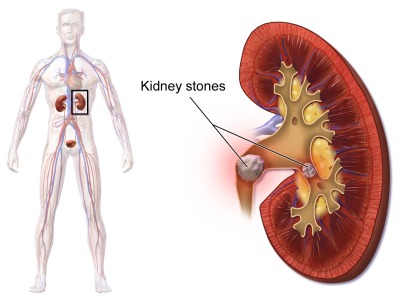
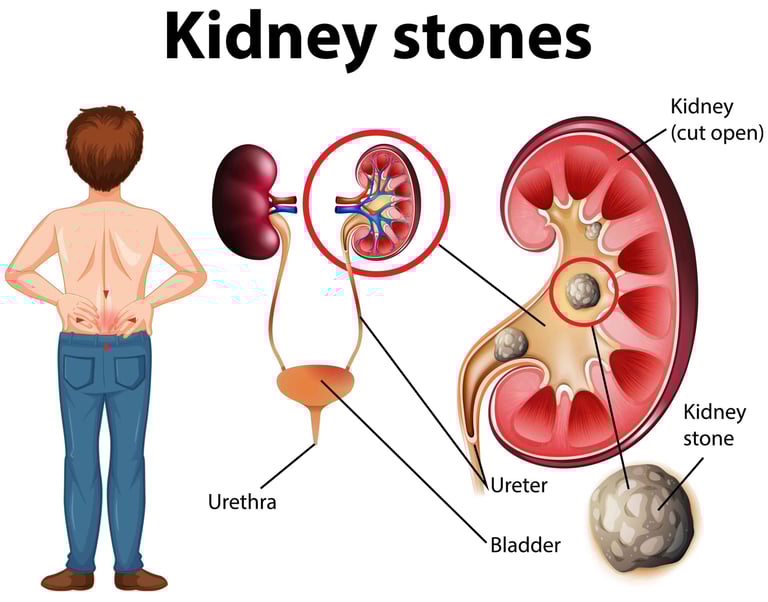
Ancient Wisdom Meets Modern Challenges: Ayurveda for Breast Cancer🤱♋
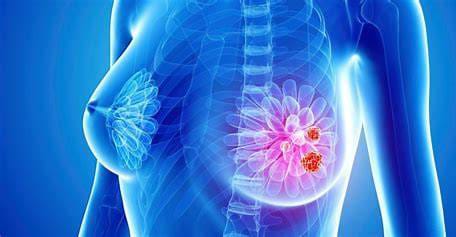
Ayurveda, an ancient system of medicine originating from India, offers a holistic approach to health and wellness, including the management of conditions like breast cancer. However, it is crucial to note that Ayurveda should not replace conventional medical treatments such as surgery, chemotherapy, radiation, or hormone therapy for breast cancer. Instead, it can be used as a complementary approach to support overall health, reduce side effects of conventional treatments, and improve quality of life.
1. Ayurvedic Principles for Cancer Management
- Balance Doshas: Ayurveda believes that cancer is caused by an imbalance in the three doshas (Vata, Pitta, and Kapha). Treatment focuses on restoring this balance.
- Detoxification (Panchakarma): This is a cleansing process to remove toxins (ama) from the body, which may help improve overall health.
- Strengthening Immunity: Ayurveda emphasizes boosting the body's natural defense mechanisms.
2. Ayurvedic Herbs for Breast Cancer Support
Some herbs are believed to have anti-cancer properties and may help in managing symptoms or side effects. Always consult an Ayurvedic practitioner and oncologist before using these herbs:
- Ashwagandha (Withania somnifera): Known for its immune-boosting and anti-inflammatory properties.
- Turmeric (Curcuma longa): Contains curcumin, which has anti-inflammatory and anti-cancer properties.
- Tulsi (Holy Basil): Helps reduce stress and supports immunity.
- Guggul (Commiphora mukul): May help reduce inflammation and support detoxification.
- Amalaki (Indian Gooseberry): Rich in antioxidants and supports overall health.
- Shatavari (Asparagus racemosus): May help balance hormones and support women's health.
3. Diet and Lifestyle Recommendations
- Sattvic Diet: Focus on fresh, organic, and easily digestible foods. Include fruits, vegetables, whole grains, and legumes.
- Avoid Processed Foods: Reduce intake of processed, fried, and sugary foods.
- Hydration: Drink warm water or herbal teas to aid digestion and detoxification.
- Stress Management: Practice yoga, meditation, and pranayama (breathing exercises) to reduce stress and improve mental well-being.
- Exercise: Gentle exercises like yoga or walking can help improve circulation and overall health.
4. Ayurvedic Therapies
- Abhyanga (Oil Massage): Helps improve circulation and reduce stress.
- Swedana (Herbal Steam Therapy): Supports detoxification.
- Nasya (Nasal Administration of Herbal Oils): May help improve respiratory health and overall vitality.
5. Caution and Consultation
- Consult Professionals: Always work with a qualified Ayurvedic practitioner and inform your oncologist about any Ayurvedic treatments you are considering.
- Avoid Self-Medication: Some herbs may interact with conventional cancer treatments or worsen certain conditions.
- Monitor Progress: Regularly monitor your health and adjust treatments as needed.
6. Emotional and Spiritual Support
Ayurveda emphasizes the importance of mental and emotional well-being. Practices like meditation, mindfulness, and connecting with nature can help support emotional health during cancer treatment.
Important Note:
Breast cancer is a serious condition that requires evidence-based medical treatment. Ayurveda can be a supportive therapy, but it should not replace conventional treatments. Always consult your healthcare team before starting any new treatment or therapy.


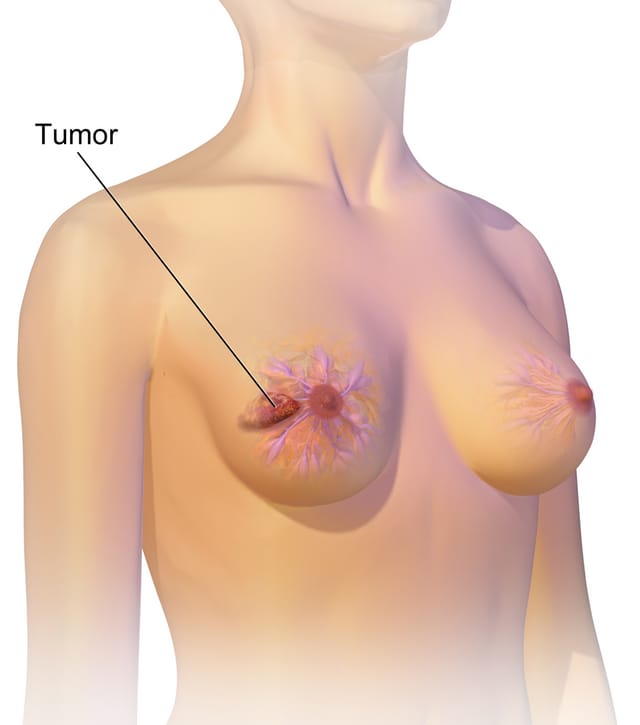


Banishing Jaundice the Ayurvedic Way: Natural Remedies for Liver Health😵💫


In Ayurveda, jaundice (known as Kamala or Pandu Roga in some contexts) is primarily associated with an imbalance in Pitta dosha (fire and water elements), which governs liver function, bile production, and metabolism. It occurs when there’s an excess of bile pigments (bilirubin) in the blood, often due to liver dysfunction, obstruction, or inflammation. Ayurvedic treatment focuses on detoxifying the liver, reducing Pitta, improving digestion, and restoring balance using herbs, diet, and lifestyle changes.
😵💫Causes of Jaundice in Ayurveda
- Excessive intake of Pitta-aggravating foods (spicy, oily, sour, or hot foods).
- Alcohol consumption or toxins overloading the liver.
- Weakened Agni (digestive fire) leading to Ama (toxins) accumulation.
- Stress, irregular lifestyle, or infection affecting the liver (*Yakrit*).
😵💫 Symptoms Addressed
- Yellowing of skin, eyes, and urine.
- Fatigue, loss of appetite, nausea.
- Dark urine, pale stools, or itching.
😵💫 1. External Treatments
While jaundice is largely an internal condition, external therapies can support detoxification and relaxation:
- Abhyanga with Cooling Oils: Use coconut oil or sandalwood oil for a gentle massage (avoiding heavy pressure) to calm Pitta and improve circulation.
- Shirodhara: Pouring medicated buttermilk or herbal decoctions over the forehead (under practitioner supervision) to reduce stress and Pitta.
😵💫 2. Internal Remedies
😵💫 Herbal Medicines
- Bhumi Amla (Phyllanthus niruri):
- Known as a liver tonic, it helps reduce bilirubin levels and detoxifies the liver.
- Dosage: 1-2 tsp of fresh juice or 500 mg powder with water twice daily.
- Kutki (Picrorhiza kurroa):
- A potent herb for liver cleansing and bile regulation.
- Dosage: 250-500 mg powder with honey or warm water, twice daily.
- Arogyavardhini Vati:
- A classical Ayurvedic formulation with herbs like Kutki and Guggulu to support liver function.
- Dosage: 1-2 tablets with warm water (consult a practitioner).
- Punarnava (Boerhavia diffusa):
- Reduces inflammation and swelling in the liver while promoting regeneration.
- Dosage: 1 tsp powder boiled in water or as a decoction.
- Triphala:
- Detoxifies the body and improves digestion.
- Dosage: 1 tsp powder with warm water at night.
- Guduchi (Tinospora cordifolia):
- Boosts immunity and supports liver repair.
- Dosage: 1 tsp juice or 500 mg powder with water daily.
😵💫 Herbal Decoctions
- Boil 1 tsp each of coriander seeds and cumin seeds in 2 cups of water, reduce to half, and drink twice daily to cool Pitta and aid digestion.
- Mix neem leaves and turmeric (1/2 tsp each) in water, boil, and sip as a detox drink.
😵💫3. Dietary Guidelines
😵💫Foods to Include
- Cooling Foods: Buttermilk, coconut water, pomegranate juice, and barley water soothe Pitta.
- Light Meals: Moong dal khichdi, boiled vegetables (gourd, pumpkin), and rice.
- Sugarcane Juice: Naturally detoxifies the liver and provides energy (if no diabetes).
- Fruits: Sweet grapes, apples, and pears (avoid sour fruits like citrus).
- Bitter Greens: Spinach or fenugreek in moderation to cleanse the liver.
😵💫Foods to Avoid
- Spicy, oily, fried, or heavy foods (e.g., red meat, cheese).
- Sour items (vinegar, tamarind, pickles).
- Alcohol, caffeine, and processed foods.
- Excessive salt or sugar.
😵💫 Sample Diet Plan
- Morning: Warm water with honey, followed by sugarcane juice or barley water.
- Breakfast: Rice porridge with a pinch of turmeric.
- Lunch: Moong dal soup, steamed veggies, and rice.
- Evening: Coconut water or herbal tea (coriander/cumin).
- Dinner: Light khichdi with ghee (small quantity).
😵💫4. Lifestyle Recommendations
- Rest: Adequate sleep and avoiding physical strain help the liver recover.
- Hydration: Drink 8-10 glasses of warm or room-temperature water daily (avoid cold water).
- Avoid Heat: Stay out of direct sunlight and hot environments to prevent Pitta aggravation.
- Pranayama: Practice cooling breathing exercises like Sheetali or Sheetkari (5-10 minutes daily) to calm the system.
- Panchakarma (Under Supervision):
- Virechana (therapeutic purgation) to flush out excess Pitta and toxins.
- Basti (medicated enema) with herbs like Dashmool to balance Vata and support recovery.
😵💫5. Duration and Monitoring
Follow these remedies for 2-4 weeks, depending on severity.
Monitor symptoms (yellowing, urine color, energy levels) and consult an Ayurvedic practitioner or doctor for blood tests (bilirubin levels) to track progress.
😵💫Precautions
Medical Supervision: Jaundice can stem from serious conditions (e.g., hepatitis, gallstones, or liver damage). Combine Ayurvedic remedies with modern diagnosis (e.g., liver function tests) for safety.
Avoid Overdosing: Stick to recommended herb dosages, as excess can strain the liver further.
Pregnancy: Consult a practitioner before using herbs like Kutki or Arogyavardhini.
This holistic approach aims to cleanse the liver, reduce inflammation, and restore vitality.
From Fracture to Freedom: Ayurvedic Treatments for Hand Bone Cracks🦴
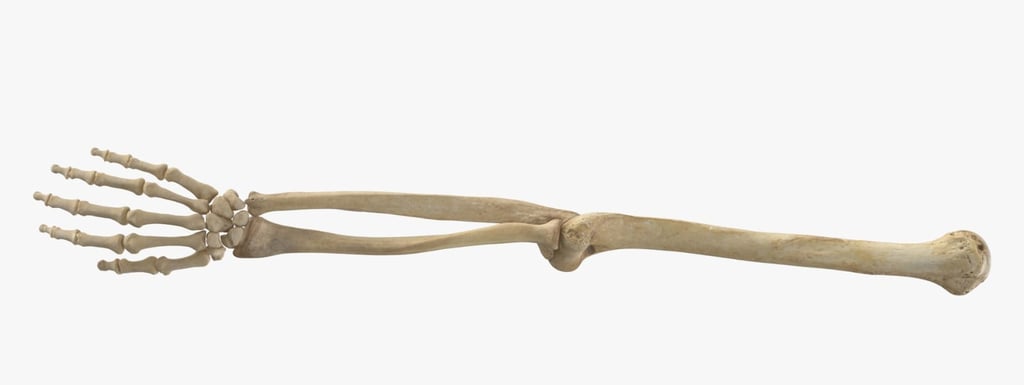

🦴1. External Treatments
- Sesame Oil (Til Oil) Massage: Warm a small amount of sesame oil and gently massage it into your hands. Sesame oil is considered warming and deeply nourishing, helping to heal dry, cracked skin.
- Ghee Application: Apply clarified butter (ghee) to the cracks before bed. Ghee is rich in fats and has soothing, healing properties in Ayurveda.
- Aloe Vera and Turmeric Paste: Mix fresh aloe vera gel with a pinch of turmeric (*Curcuma longa*). Apply this to the cracked areas for its anti-inflammatory and moisturizing benefits.
- Malai (Milk Cream): Rub fresh cream from milk onto your hands and leave it on for 15-20 minutes before rinsing. It hydrates and softens the skin naturally.
- Herbal Paste: Make a paste using neem leaves (*Azadirachta indica*) and coconut oil. Neem has antibacterial properties, while coconut oil provides moisture.
🦴2. Internal Remedies
- Hydration with Warm Water: Drink warm water throughout the day to keep your body hydrated and balance Vata.
- Ghee Intake: Consume 1-2 teaspoons of ghee daily (e.g., with warm milk or food) to nourish your skin from within.
- Triphala: Take 1 teaspoon of Triphala powder with warm water at night. It helps detoxify the body and supports skin health.
🦴3. Lifestyle Tips
- Avoid Cold and Dry Exposure: Protect your hands with gloves during cold weather or while washing dishes to prevent further drying.
- Oil Bathing (Abhyanga): Perform a full-body warm oil massage with sesame or almond oil weekly to balance Vata and improve overall skin texture.
- Diet: Include warm, moist foods like soups, stews, and healthy fats (e.g., nuts, avocados) while avoiding dry, cold, or processed foods.
🦴4. Ayurvedic Herbal Recommendations
- Ashwagandha: Known for its rejuvenating properties, it can be taken as a powder (1/2 tsp with milk) to support skin healing.
- Shatavari: This herb nourishes tissues and can be consumed similarly to improve moisture levels in the body.
🦴 How to Apply
For best results, use the external remedies (like oils or pastes) 1-2 times daily, especially after washing your hands.
Consistency is key—continue for at least 1-2 weeks to see improvement.
These remedies are gentle and natural, but if your cracks are deep, bleeding, or infected, consult an Ayurvedic practitioner or doctor for personalized advice.👴




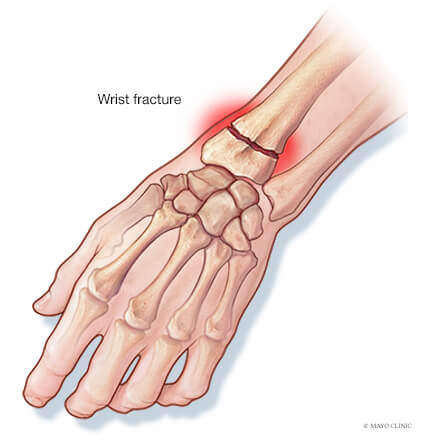
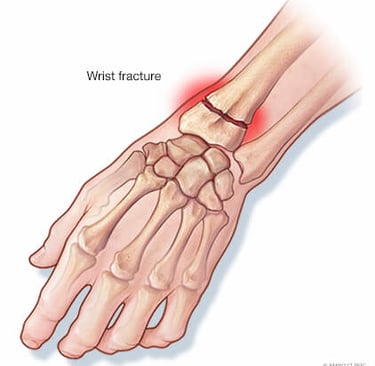
Knee Pain? Try Ayurveda: Holistic Approach to Joint Health🧎

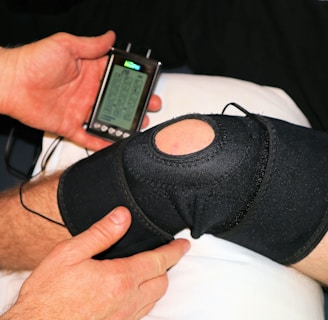
🧎 Balancing Doshas
1. Vata Imbalance: Vata dosha governs movement and flexibility. An imbalance can cause dryness, stiffness, and pain in the joints. Ayurvedic treatments aim to pacify Vata through warm, nourishing foods, herbal remedies, and therapies like Abhyanga (oil massage) and Januvasti (oil retention therapy).
2. Pitta Imbalance: Pitta dosha is associated with heat and inflammation. An imbalance can lead to redness, swelling, and pain. Cooling herbs, anti-inflammatory treatments, and a Pitta-pacifying diet help reduce inflammation and restore balance.
3. Kapha Imbalance: Kapha dosha is linked to structure and lubrication. An imbalance can cause swelling, fluid retention, and heaviness in the joints. Ayurvedic treatments focus on stimulating and detoxifying the body to reduce Kapha and improve joint health.
🧎 Eliminating Toxins (Ama)
1. Detoxification (Panchakarma): Panchakarma is a comprehensive detoxification therapy that removes toxins from the body and restores dosha balance. It includes treatments like Virechana (purgation), Basti (medicated enema), and Nasya (nasal administration of herbs).
2. Herbal Remedies: Ayurvedic herbs like Ashwagandha, Shallaki (Boswellia), Guggul, and Turmeric have anti-inflammatory and detoxifying properties. They help reduce pain, inflammation, and stiffness in the joints.
3. Diet and Lifestyle: Ayurveda emphasizes a balanced diet and lifestyle to prevent the accumulation of toxins. Warm, cooked meals, whole grains, leafy greens, and herbal teas like ginger tea or turmeric milk are recommended. Avoiding cold, dry, and processed foods is essential to maintain dosha balance.
Ayurveda offers a holistic approach to treating knee pain, focusing on balancing the body's doshas and eliminating toxins.
🧎Ayurvedic Treatments for Knee Pain
1. Massage (Abhyanga): Regular massage with warm herbal oils like sesame oil, Mahanarayan oil, or Dhanwantharam oil can help reduce pain and inflammation.
2. Pain Relief Potli: Herbal pouches (potli) filled with medicinal herbs are heated and applied to the affected area to relieve pain and stiffness.
3. Januvasti: A specialized treatment where a reservoir made of dough is placed over the knee joint and filled with warm medicated oil. This helps in reducing pain and improving joint mobility.
4. Herbal Remedies: Herbs like Ashwagandha, Shallaki (Boswellia), Guggul, and Turmeric are known for their anti-inflammatory properties and can be used to manage knee pain.
🧎Causes of Knee Pain
1. Arthritis: Osteoarthritis and rheumatoid arthritis are common causes of knee pain, leading to joint pain and stiffness as the cartilage deteriorates over time.
2. Tendinitis: Inflammation of the tendons around the knee, often due to overuse or repetitive movements, causing sharp pain and tenderness.
3. Meniscus Tears: Sudden twists or turns can cause tears in the rubbery cartilage of the knee, leading to swelling, stiffness, and difficulty moving the joint.
4. Bursitis: Inflammation of the bursae, fluid-filled sacs that reduce friction between tissues around the knee, often caused by prolonged kneeling or repetitive motions.
5. Increased Toxicity (Ama): According to Ayurveda, the accumulation of toxins (Ama) in the body can lead to knee pain. These toxins can cause stiffness and swelling in the joints.
For a more personalized treatment plan, it's always best to consult with an Ayurvedic practitioner. They can provide tailored advice based on your specific condition and dosha balance.


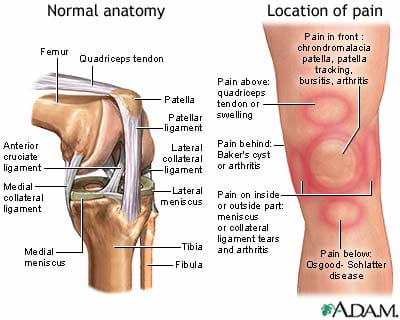
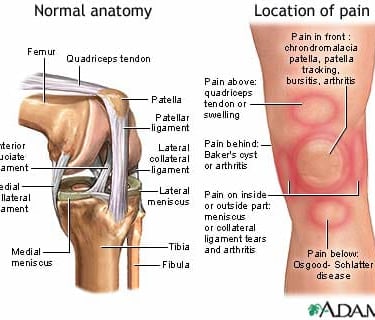
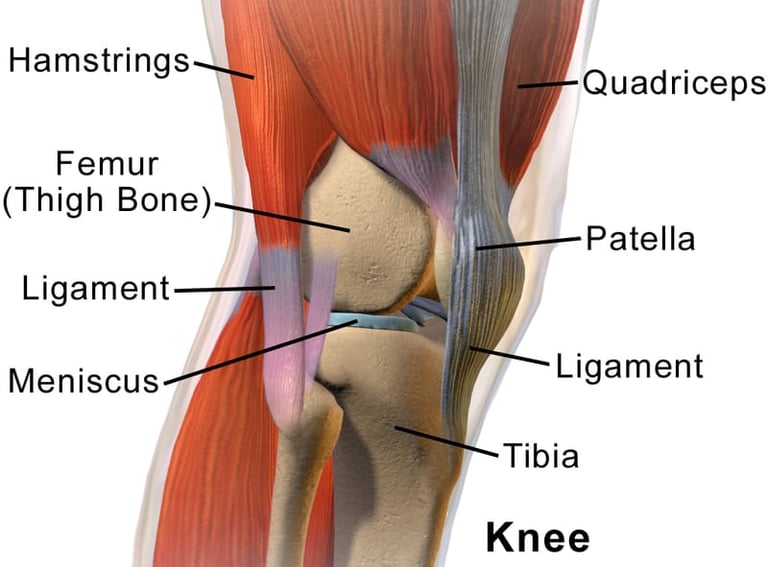
Brain Cancer Treatments for Ayurvedic: Full Information♋


Brain cancer occurs when abnormal cells in the brain grow uncontrollably, forming a mass called a tumor. Here are some key factors and causes associated with brain cancer:
♋Causes of Brain Cancer:
1. Genetic Mutations: Changes in the DNA of brain cells can lead to uncontrolled cell growth, resulting in a tumor.
2. Secondary Brain Cancer: Cancer from other parts of the body can spread to the brain, known as metastatic brain cancer.
3. Radiation Exposure: High doses of ionizing radiation, such as from radiation therapy or frequent medical imaging tests, can increase the risk of brain cancer.
4. Family History: A family history of brain tumors or certain genetic conditions can increase the risk.
5. Age: The risk of developing brain tumors increases with age.
6. Chemical Exposure: Exposure to certain chemicals and environmental toxins may contribute to the development of brain cancer.
♋Symptoms of Brain Cancer:
- Frequent and severe headaches
- Nausea and vomiting
- Vision problems
- Gradual loss of sensation or movement in limbs
- Difficulty with balance and coordination
- Memory loss and cognitive difficulties
- Changes in personality or behavior
- Seizures
♋Risk Factors:
- Genetic Conditions: Certain inherited genetic conditions, such as neurofibromatosis and Li-Fraumeni syndrome, can increase the risk of brain tumors.
- Radiation Therapy: Previous radiation therapy to the head can increase the risk of developing brain tumors.
- Environmental Factors: Exposure to certain chemicals and environmental toxins may contribute to the development of brain cancer.
Brain cancer is a complex condition with multiple contributing factors. It's important to consult with a healthcare professional for accurate diagnosis and treatment options.
Ayurveda offers a holistic approach to treating brain cancer, focusing on restoring balance to the entire body rather than just targeting the affected area. Here are some key aspects of Ayurvedic treatment for brain cancer:
♋Understanding Brain Cancer in Ayurveda:
- Arbuda: In Ayurveda, tumors are referred to as "Arbuda," which is caused by an imbalance of the three doshas (Vata, Pitta, and Kapha).
- Holistic Approach: Ayurveda emphasizes detoxification, strengthening the immune system, and maintaining mental well-being to support the body's natural healing processes.
♋Ayurvedic Treatments and Remedies:
1. Herbal Remedies:
- Ashwagandha Capsules: Enhances physical stamina, strength, and endurance. Helps fight stress, nervous breakdown, and chronic fatigue.
- Guggul Capsules: Treats obesity, acts as an anti-aging agent, and helps prevent the spread of cancer cells.
- Curcumin Capsules: Known for its anti-inflammatory and antioxidant properties, curcumin helps reduce the growth of cancer cells.
- Tulsi Capsules: Supports the immune system and has anti-cancer properties.
- Chanderprabha Vati: Aids in overall health and well-being.
- Kanchnaar Guggul: Helps in reducing the size of tumors and supports the lymphatic system.
2. Diet and Lifestyle:
- Balanced Diet: Emphasizes a diet rich in fruits, vegetables, whole grains, and lean proteins. Avoids processed foods, excessive sugar, and unhealthy fats.
- Detoxification: Regular detoxification practices, such as Panchakarma, help eliminate toxins from the body and restore balance.
- Yoga and Meditation: Incorporates yoga and meditation to reduce stress, improve mental clarity, and enhance overall well-being.
3. Supportive Therapies:
- Rasayana Therapy: Focuses on rejuvenation and enhancing the body's natural defense mechanisms. It includes the use of specific herbs and formulations to support overall health.
- Adjuvant Therapy: Ayurvedic preparations can be used alongside conventional treatments like chemotherapy and radiotherapy to enhance their effectiveness and reduce side effects.
♋ Benefits of Ayurvedic Treatment:
- Natural and Holistic: Uses natural ingredients and holistic practices to support the body's healing process.
- Personalized Care: Tailors treatments to individual needs and dosha imbalances.
- Minimizes Side Effects: Helps alleviate the side effects of conventional cancer treatments, improving overall patient comfort.
Ayurveda offers a comprehensive and supportive approach to brain cancer treatment, focusing on the whole person rather than just the disease. It's important to consult with a qualified Ayurvedic practitioner to develop a personalized treatment plan that complements conventional medical care.






Blood Cancer Treatment for Ayurvedic: All Information


Blood Cancer and Ayurveda: A Hopeful Approach
When you hear "blood cancer" (like leukemia, lymphoma, or myeloma), it’s natural to feel overwhelmed. It’s a condition where your blood cells—those tiny workers in your body—go haywire, multiplying uncontrollably or not functioning right. Modern treatments like chemotherapy and radiation can be tough, often leaving you drained or with side effects. That’s where Ayurveda steps in—not as a replacement, but as a supportive friend, aiming to ease the burden, boost your strength, and maybe even help your body fight back in its own way.
Ayurveda, an ancient Indian healing system, sees blood cancer as a sign that your body’s natural balance is off. It’s all about the "doshas"—Vata, Pitta, and Kapha—three energies that keep you ticking. In blood cancer, it’s often linked to a fiery imbalance in Pitta (think metabolism and blood) or a deeper disruption in "Rakta Dhatu" (your blood tissue). The goal? Restore harmony, detox your system, and rebuild your vitality. Here’s how it works, step by step.
How Ayurveda Tackles Blood Cancer
Ayurveda doesn’t promise a magic cure, but it offers a holistic toolkit—herbs, diet, lifestyle tweaks, and cleansing therapies—to support you through the battle. Imagine it as nurturing your body’s own resilience while dealing with the chaos of cancer. Let’s break it down:
1. Herbal Helpers: Nature’s Medicine Cabinet
Ayurveda leans heavily on plants and minerals to strengthen you from the inside. These aren’t just random herbs—they’ve been used for centuries, and some even have modern studies backing their potential. Here are a few stars:
Ashwagandha (Withania somnifera): This is like a warm hug for your immune system. It’s packed with antioxidants, reducing stress on your cells and helping your body resist infections—a big deal when cancer weakens you.
Turmeric (Curcuma longa): Thanks to curcumin, turmeric fights inflammation and free radicals (those pesky molecules that damage cells). It’s like a shield, protecting healthy cells while you’re under attack.
Guduchi (Tinospora cordifolia): Known as “Giloy,” this herb is a detox champ. It’s said to calm Pitta, boost immunity, and even slow cancer cell growth in lab studies. It’s like a reset button for your system.
Sariva (Hemidesmus indicus): A blood purifier, this one flushes out toxins and soothes inflammation—perfect when your blood’s in turmoil.
Guggul (Commiphora mukul): Another purifier with antioxidant powers, it’s believed to rejuvenate cells and keep things flowing smoothly.
Some practitioners also use "Rasa Shastra"—a special Ayurvedic alchemy with metals like silver or gold, purified into safe forms (bhasmas). These are thought to target cancer cells and boost marrow health, but they’re advanced and need expert handling.
2. Panchakarma: A Deep Cleanse
Think of Panchakarma as a spa day for your insides—but with a serious purpose. This five-step detox process clears out toxins (ama) that Ayurveda says clog your system and fuel disease. For blood cancer, it might include:
Virechana (Purging): Using herbs to flush your gut, it balances Pitta and cleans your blood indirectly. It’s gentle but powerful, like hitting refresh on your digestion.
Raktamokshana (Bloodletting): This sounds intense, but it’s rare and controlled—removing impure blood to ease pressure on your system. It’s not for everyone, especially if you’re already low on blood counts.
Basti (Medicated Enemas): Herbal oils or decoctions clear out lower-body toxins, calming Vata and supporting overall balance.
These aren’t DIY—they’re done by trained practitioners who tailor them to your strength and cancer stage. The idea? Lighten your body’s load so it can heal.
3. Food as Medicine: Feeding Your Fight
What you eat matters—a lot. Ayurveda says a “Sattvic” diet (pure, light, natural foods) keeps your energy up and toxins down. Here’s what might be on your plate:
Fresh Veggies: Think bottle gourd, zucchini, carrots—easy to digest and nutrient-rich.
Beetroot Juice: A blood-building superstar, 30-100 ml daily can lift your counts and spirit.
Wheatgrass or Amla Juice: Packed with vitamins, they’re like a green boost for immunity.
Ghee: A little cow’s ghee nourishes without clogging—comfort food with a purpose.
Avoid: Spicy, fatty, or processed stuff—think burgers or soda. They stress your system when it’s already working overtime.
The vibe is simple: eat what grows naturally, not what’s made in a factory. It’s about fueling you, not the cancer.
4. Lifestyle: Small Changes, Big Impact
Ayurveda isn’t just pills and potions—it’s a way of living. Stress can worsen cancer, so calming your mind is key:
Yoga: Gentle poses improve circulation and ease fatigue—nothing strenuous, just enough to feel alive.
Meditation: Even 10 minutes a day can lower anxiety, giving your body a break from the fight-or-flight mode.
Sleep: Rest heals. Herbs like Shankhapushpi or a warm oil head massage (Shiropichu) might help if sleep’s elusive.
It’s about slowing down, listening to your body, and letting it recharge.
Does It Work? The Real Talk
Here’s the honest part: Ayurveda isn’t a proven cure for blood cancer in the way chemo is. Modern science demands big, controlled studies, and while some herbs (like curcumin or Guduchi) show promise in labs or small trials, we don’t have enough data to say they’ll beat cancer solo. But here’s what people say—and what some studies hint at:
Support During Chemo: Many find Ayurveda reduces nausea, fatigue, and infections, making brutal treatments bearable. A 2011 case of a teen with relapsed leukemia showed remission with Ayurvedic herbs after chemo failed—but it’s one story, not a rule.
Quality of Life: Yoga and meditation measurably cut stress and lift mood, which matters when you’re fighting for every day.
Longevity: A 47-year-old with acute leukemia lived 12 years post-relapse with Ayurvedic therapy—no small feat, though he had modern support too.
The catch? It’s not standardized. What works for one person might not for another, and bad practitioners or untested herbs can harm (think lead in some mixes—rare, but real). Always pair it with your doctor’s plan, not instead of it.
A Personal Touch: What It Feels Like
Imagine you’re diagnosed, scared, and tired. Chemo’s kicking your butt, and you’re desperate for relief. An Ayurvedic healer sits with you, asks about your life—not just your symptoms—and hands you a warm turmeric tea. They suggest a light veggie soup, a few herbs to sip, and a quiet moment to breathe. It’s not a cure, but it’s care—personal, gentle, hopeful. You feel seen, not just treated.
That’s the heart of Ayurveda: it’s human. It’s about rebuilding you, not just battling the cancer. Some swear it’s saved them; others say it’s eased the ride. Either way, it’s a path you walk with intention.
Getting Started: Practical Tips
Find a Pro: Look for a certified Ayurvedic practitioner—ideally one who’s worked with cancer patients. Check credentials; experience matters.
Talk to Your Doc: Tell your oncologist. Herbs can clash with chemo (e.g., turmeric might thin blood too much if you’re on certain drugs).
Start Small: Try dietary tweaks or a single herb like Ashwagandha—see how you feel before diving deep.
Listen to You: If it exhausts you or feels off, pause. Your body’s the boss.
Final Thoughts
Ayurveda for blood cancer is like a teammate, not the MVP. It’s about strengthening your roots—your immunity, your spirit—while modern medicine swings the big guns. Sixty-six million years after dinosaurs, we’re still figuring out life’s mysteries, and this is one piece of the puzzle. It’s not for everyone, but for some, it’s a lifeline to feeling human again. What do you think—worth a try alongside your plan?



Ayurvedic Treatment for head Pain: Full information


🤯Ayurvedic Treatments for Head Pain
1. Herbal Remedies:
- Brahmi (Bacopa Monnieri): Brahmi is an excellent herb for reducing stress and tension. Massaging Brahmi oil into the scalp can help soothe headaches caused by stress. You can also take Brahmi supplements after consulting with an Ayurvedic practitioner.
- Shankhpushpi (Convolvulus pluricaulis): This herb is known for its calming properties. Drinking Shankhpushpi tea can help alleviate headaches caused by mental fatigue.
- Triphala: A combination of three fruits—Amalaki, Haritaki, and Bibhitaki. Taking Triphala powder with warm water before bedtime can help detoxify the body and reduce headache frequency.
2. Aromatherapy:
- Lavender Oil: Lavender oil has calming properties. Inhaling lavender oil or applying it to your temples can help relieve headaches.
- Peppermint Oil: Peppermint oil provides a cooling effect. Dilute it with a carrier oil and massage it into your temples and neck.
3. Dietary Adjustments:
- Hydration: Drink plenty of water to stay hydrated, as dehydration can cause headaches.
- Cooling Foods: Include cooling foods like cucumber, watermelon, and mint in your diet to balance Pitta and reduce headaches.
- Avoid Triggers: Avoid foods that can trigger headaches, such as aged cheese, caffeine, and processed foods.
4. Yoga and Meditation:
- Yoga Poses: Practice yoga poses like Savasana (Corpse Pose), Shashankasana (Child's Pose), and Viparita Karani (Legs Up the Wall Pose) to relax the body and mind.
- Pranayama: Breathing exercises like Anulom Vilom (Alternate Nostril Breathing) and Bhramari (Bee Breath) can help reduce stress and prevent headaches.
- Meditation: Regular meditation can help calm the mind and reduce the frequency of headaches.
5. Panchakarma Therapy:
- Nasya: This therapy involves administering herbal oils through the nostrils to clear the sinuses and relieve headaches.
- Shirodhara: A continuous stream of warm herbal oil is poured over the forehead, calming the nervous system and reducing headache symptoms.
- Abhyanga: A full-body massage with warm herbal oil can help improve circulation and reduce headaches.
6. Lifestyle Adjustments:
- Regular Sleep Routine: Maintain a consistent sleep schedule to ensure adequate rest.
- Stress Management: Practice stress management techniques like journaling, engaging in hobbies, or spending time in nature.
- Avoid Overexertion: Take breaks and avoid overexerting yourself, especially if you are prone to headaches.
🤯Conclusion
Ayurvedic treatments for head pain focus on balancing the doshas and addressing the root cause of the problem. By incorporating herbal remedies, dietary adjustments, yoga, meditation, and lifestyle changes, you can find natural relief from headaches.




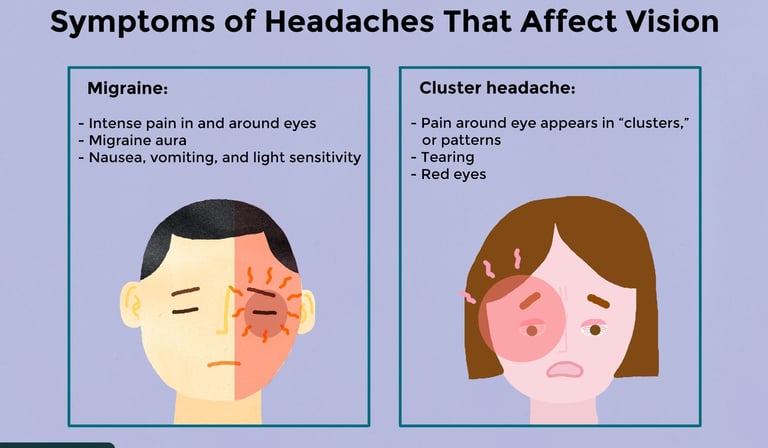
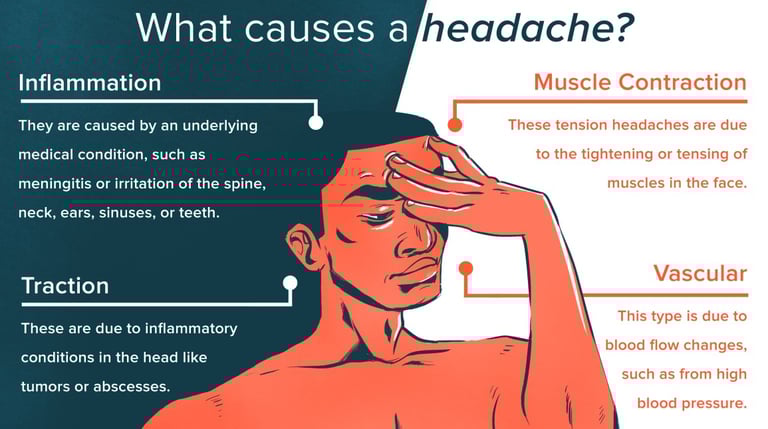
Menstrual pain(Periods): Relief for ayurvedic Treatment 🩸


Menstrual pain, also known as dysmenorrhea, can be quite challenging, but Ayurveda offers natural and holistic remedies to alleviate discomfort. Here are some Ayurvedic treatments and lifestyle changes that can help:
🩸Ayurvedic Remedies for Menstrual Pain
1. Herbal Remedies:
- Ginger (Adrak): Ginger has anti-inflammatory properties that can help reduce menstrual pain. You can consume ginger tea or add fresh ginger to your meals.
- Ajwain (Carom Seeds): Ajwain is effective in relieving menstrual cramps. You can chew a teaspoon of ajwain seeds or drink ajwain water.
- Fennel Seeds (Saunf): Fennel seeds can help soothe menstrual cramps. Chew a teaspoon of fennel seeds or drink fennel tea.
2. Dietary Changes:
- Balanced Diet: Follow a diet that balances the doshas (Vata, Pitta, and Kapha). Include fresh fruits, vegetables, whole grains, and lean proteins.
- Avoid Processed Foods: Minimize the intake of processed and junk foods, as they can aggravate menstrual pain.
- Hydration: Drink plenty of water and herbal teas to stay hydrated and support overall health.
3. Lifestyle Modifications:
- Regular Exercise: Engage in regular physical activity, such as yoga or walking, to improve circulation and reduce menstrual pain.
- Stress Management: Practice stress-relieving activities such as meditation, deep breathing exercises, and mindfulness to reduce stress-related menstrual pain.
- Adequate Sleep: Ensure you get enough restful sleep to support overall well-being.
4. Ayurvedic Therapies:
- Abhyanga (Oil Massage): A warm oil massage can relax the muscles and reduce menstrual cramps. Use oils like sesame or coconut oil for the massage.
- Swedana (Herbal Steam Therapy): Herbal steam therapy can help relieve menstrual pain by relaxing the muscles and improving circulation.
- Picha Vasti (Special Enema): This therapy involves the use of herbal decoctions to soothe the digestive tract and reduce inflammation.
5. Home Remedies:
- Warm Water: Drinking warm water can help soothe menstrual cramps and improve digestion.
- Cumin Water: Boil a teaspoon of cumin seeds in water, strain, and drink the water to relieve menstrual pain.
🩸 Personalized Approach
Ayurveda emphasizes a personalized approach to treatment, considering individual dosha imbalances and specific symptoms. It's essential to consult an Ayurvedic practitioner to receive tailored advice and treatment plans.
By incorporating these Ayurvedic remedies and lifestyle changes, you can effectively manage menstrual pain and promote overall well-being. Remember, consistency and mindfulness are key to achieving long-term relief and health.


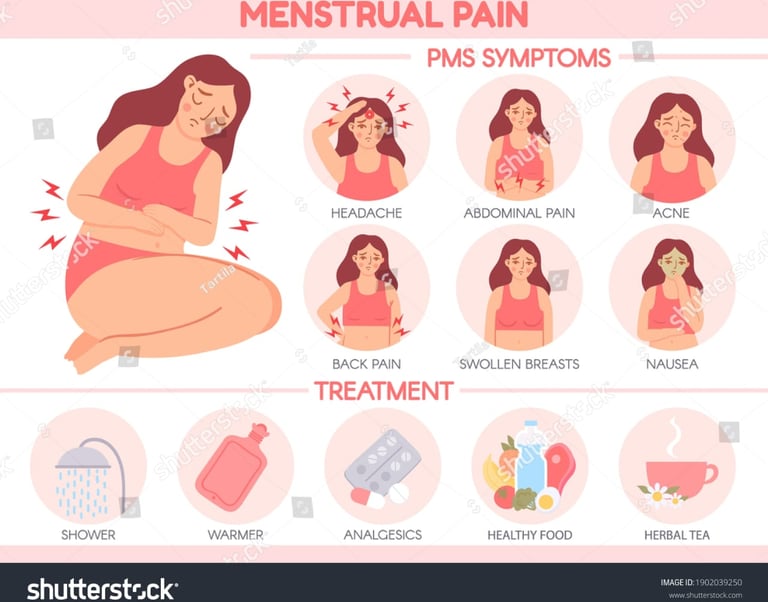
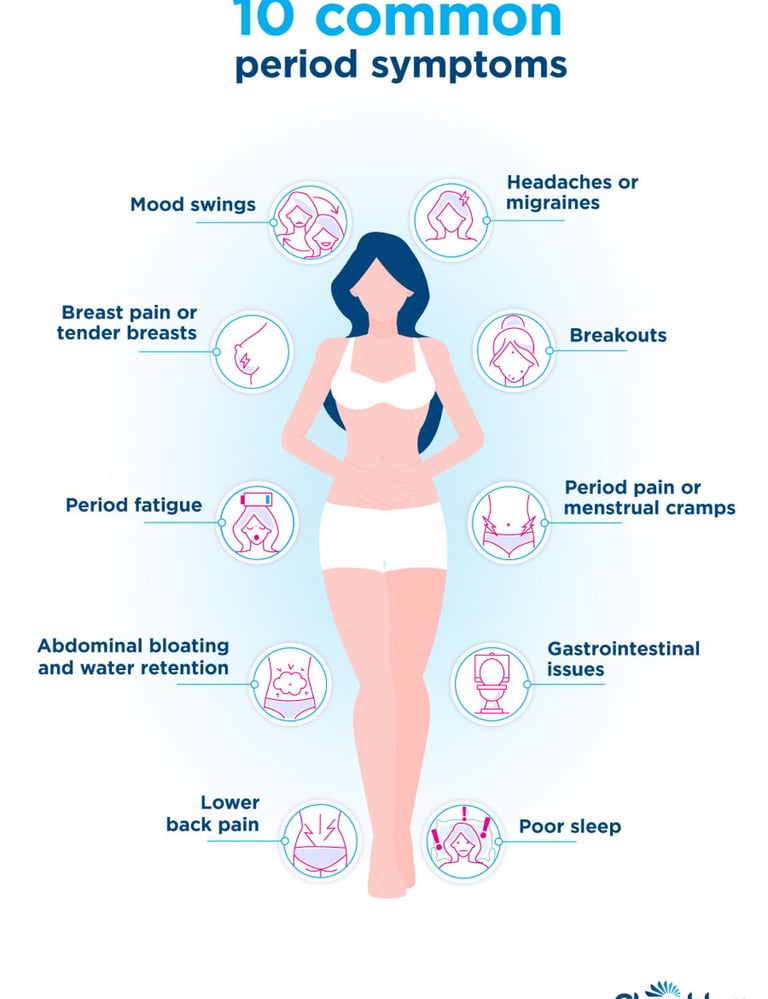

Stomach pain: Both(Boys&girls) Treatment for Ayurvedic


Stomach pain can be quite distressing, but Ayurveda offers holistic and natural remedies to alleviate discomfort for both boys and girls. Here are some Ayurvedic treatments and lifestyle changes that can help:
🧘♀️Ayurvedic Remedies for Stomach Pain
1. Herbal Remedies:
- Ginger (Adrak): Known for its digestive properties, ginger can help reduce stomach pain and improve digestion. You can consume ginger tea or chew a small piece of fresh ginger.
- Ajwain (Carom Seeds): Ajwain is effective in relieving gas and bloating. You can chew a teaspoon of ajwain seeds with a pinch of salt or drink ajwain water.
- Fennel Seeds (Saunf): Fennel seeds can soothe the digestive tract and reduce stomach cramps. Chew a teaspoon of fennel seeds after meals or drink fennel tea.
2. Dietary Changes:
- Balanced Diet: Follow a diet that balances the doshas (Vata, Pitta, and Kapha). Include fresh fruits, vegetables, whole grains, and lean proteins.
- Avoid Processed Foods: Minimize the intake of processed and junk foods, as they can aggravate stomach pain.
- Hydration: Drink plenty of water and herbal teas to stay hydrated and support digestion.
3. Lifestyle Modifications:
- Regular Meals: Eat meals at regular intervals to maintain a healthy digestive rhythm.
- Mindful Eating: Chew food thoroughly and eat slowly to aid digestion.
- Stress Management: Practice stress-relieving activities such as yoga, meditation, and deep breathing exercises to reduce stress-related stomach pain.
4. Ayurvedic Therapies:
- Abhyanga (Oil Massage): A warm oil massage can relax the abdominal muscles and improve digestion. Use oils like sesame or coconut oil for the massage.
- Swedana (Herbal Steam Therapy): Herbal steam therapy can help relieve abdominal pain and bloating by relaxing the intestinal muscles.
- Picha Vasti (Special Enema): This therapy involves the use of herbal decoctions to soothe the digestive tract and reduce inflammation.
5. Home Remedies:
- Warm Water: Drinking warm water can help soothe the stomach and improve digestion.
- Cumin Water: Boil a teaspoon of cumin seeds in water, strain, and drink the water to relieve stomach pain.
🧘♀️Personalized Approach
Ayurveda emphasizes a personalized approach to treatment, considering individual dosha imbalances and specific symptoms. It's essential to consult an Ayurvedic practitioner to receive tailored advice and treatment plans.
By incorporating these Ayurvedic remedies and lifestyle changes, you can effectively manage stomach pain and promote overall digestive health. Remember, consistency and mindfulness are key to achieving long-term relief and well-being.
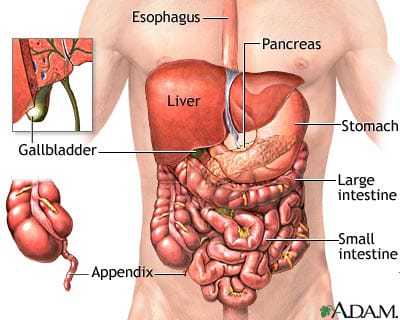



Eye Redness Treatment: A comprehensive Guide 👁️


Understanding and Treating Eye Redness: A Comprehensive Guide
Eye redness is a common issue that can result from various causes, ranging from minor irritations to more serious conditions. It occurs when the blood vessels on the surface of the eye become dilated or inflamed, giving the eyes a red or bloodshot appearance. Below is a detailed, humanized guide to understanding and treating eye redness effectively.
👁️ Common Causes of Eye Redness
1. Dry Eyes: Insufficient tear production or poor tear quality can lead to irritation and redness.
2. Allergies: Pollen, dust, pet dander, or other allergens can trigger redness and itching.
3. Conjunctivitis (Pink Eye): A viral, bacterial, or allergic infection causing inflammation of the conjunctiva.
4. Eye Strain: Prolonged screen time, reading, or focusing on small objects can strain the eyes.
5. Environmental Irritants: Smoke, pollution, chlorine in pools, or exposure to wind can irritate the eyes.
6. Contact Lens Overuse: Wearing lenses for too long or improper cleaning can cause redness.
7. Injuries or Trauma: Scratches, foreign objects, or blunt force can lead to redness.
8. Underlying Health Conditions: Conditions like glaucoma, uveitis, or blepharitis may cause redness.
👁️ Symptoms Associated with Eye Redness
- Itching or burning sensation
- Watery or dry eyes
- Swelling of the eyelids
- Sensitivity to light
- Blurred vision (in severe cases)
- Discharge (in cases of infection)
👁️Treatment Options for Eye Redness
The treatment depends on the underlying cause. Here are some general and specific approaches:
👁️ Home Remedies and Lifestyle Changes
- Artificial Tears: Over-the-counter lubricating eye drops can relieve dryness and irritation.
- Cold Compress: Apply a clean, cold cloth to the eyes to reduce inflammation and soothe redness.
- Hydration: Drink plenty of water to keep your eyes and body hydrated.
- Rest Your Eyes: Follow the 20-20-20 rule (every 20 minutes, look at something 20 feet away for 20 seconds) to reduce eye strain.
- Avoid Irritants: Stay away from smoke, dust, and other environmental triggers.
- Proper Contact Lens Care: Clean and store lenses as directed, and avoid wearing them for extended periods.
👁️ Over-the-Counter (OTC) Treatments
- Antihistamine Eye Drops: For redness caused by allergies (e.g., ketotifen or naphazoline).
- Decongestant Eye Drops: Temporarily reduce redness by constricting blood vessels (use sparingly to avoid rebound redness).
- Lubricating Gels or Ointments: For severe dryness, especially at night.
👁️Medical Treatments
- Prescription Eye Drops: For conditions like glaucoma, uveitis, or severe dry eye.
- Antibiotics: For bacterial conjunctivitis or eye infections.
- Steroid Eye Drops: For severe inflammation (only under a doctor’s supervision).
- Allergy Medications: Oral antihistamines or prescription allergy eye drops for chronic allergies.
👁️ When to See a Doctor
Seek medical attention if:
- Redness persists for more than a few days.
- You experience pain, vision changes, or light sensitivity.
- There is thick discharge or crusting (signs of infection).
- You suspect an injury or foreign object in the eye.
👁️Prevention Tips
- Practice Good Hygiene: Wash your hands frequently and avoid touching your eyes.
- Protect Your Eyes: Wear sunglasses to shield against UV rays and environmental irritants.
- Maintain a Healthy Diet: Include foods rich in omega-3 fatty acids, vitamin A, and antioxidants to support eye health.
- Stay Hydrated: Proper hydration helps maintain tear production.
- Limit Screen Time: Take regular breaks to prevent digital eye strain.
👁️ Natural Remedies (Optional)
- Cucumber Slices: Place chilled cucumber slices on your eyes to reduce puffiness and redness.
- Tea Bags: Cooled chamomile or green tea bags can soothe irritated eyes.
- Aloe Vera: Use pure aloe vera gel (diluted) around the eyes to reduce inflammation.
👁️ Final Thoughts
Eye redness is often a temporary and treatable condition, but it’s essential to pay attention to accompanying symptoms. If home remedies and OTC treatments don’t provide relief, consult an eye care professional to rule out serious conditions. Taking proactive steps to care for your eyes can help prevent redness and maintain overall eye health.
Remember, your eyes are precious—treat them with care!
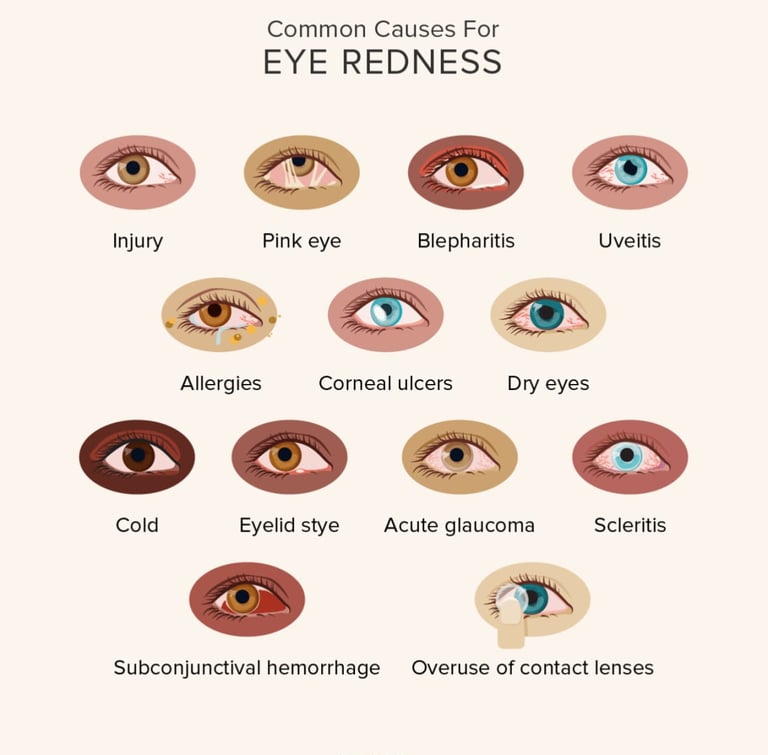


Face Glow up treatment for ayurvedic: Reveal your radiant skin with our customized face treatments
Ayurvedic treatments for the face are rooted in ancient Indian wisdom and focus on balancing the body's natural energies, or doshas, to promote healthy, glowing skin.
🌲Ayurvedic Facial Therapy (Mukha Lepam)
Ayurvedic facial therapy, also known as Mukha Lepam, is a natural beauty treatment that uses special Dosha-based oils, creams, face packs, and herbs to give a natural face-lift, diminish the signs of aging, and bestow radiant, glowing skin. The therapy includes the following steps:
1. Consultation: Analyzing the prevalent doshas in the body to decide the herbs, their combinations, and treatment routine.
2. Core Cleansing: Removing impurities and preparing the skin for treatment.
3. Herbal Oil Massage: Using Dosha-based herbal oils to improve blood circulation in the face.
4. Steam Therapy (Swedana): Opening facial pores to allow deeper penetration of herbal treatments.
5. Exfoliation: Using a facial scrub to remove dead skin cells and toxins.
6. Herbal Face Pack: Applying a nourishing face pack tailored to individual skin needs.
7. Marma or Face Massage (Mukha Abhyanga): Relaxing facial muscles and tightening the skin.
8. Finishing Face Pack: Applying a final face pack to seal in the benefits.
🌲 Types of Ayurvedic Facial Therapy
Ayurvedic facial treatments are customized based on the individual's dominant dosha:
- Vata Skin: Dry, thin skin that requires hydration and nourishment. Recommended ingredients include sesame or almond oil.
- Pitta Skin: Sensitive, prone-to-redness skin that needs cooling and soothing ingredients like aloe vera, rose water, or cucumber.
- Kapha Skin: Oily, thick skin that benefits from detoxifying and exfoliating treatments using ingredients like turmeric, neem, and lemon.
🌲 Popular Ayurvedic Ingredients for Skin Care
Ayurveda prioritizes the use of natural, plant-based ingredients known for their skin-healing properties:
- Turmeric: Anti-inflammatory and antioxidant-rich, helps brighten the skin and reduce redness.
- Neem: Antibacterial properties, helps fight acne and other skin conditions.
- Aloe Vera: Soothing and hydrating, great for calming irritated skin.
- Sandalwood: Antiviral and antiseptic, eliminates pimples, acne, and boils.
- Almond Powder: Lightens skin tone and provides nutrients that boost skin health.
🌲DIY Ayurvedic Face Packs
Here are a couple of simple Ayurvedic face packs you can try at home:
1. Sandalwood and Almond Powder Pack:
- 4 teaspoons of sandalwood powder
- 2 teaspoons of almond powder
- 3 teaspoons of coconut oil
- Mix into a smooth paste, apply to the face, and leave for 20 minutes before rinsing.
2. Turmeric and Rice Flour Pack:
- 2 teaspoons of turmeric
- 2 teaspoons of rice flour
- 2 teaspoons of tomato juice
- Mix well, apply to the face and neck, let it dry for 30 minutes, then rinse with cold water.
These treatments not only enhance your skin's natural glow but also promote overall well-being by balancing your doshas. If you have any specific skin concerns or need personalized advice, consulting with an Ayurvedic practitioner can be very beneficial.
End 🌲


Harness the Power of Ayurveda: Top Hairfall Treatments
👴Harness the Power of Ayurveda: Top Hairfall Treatments
Hairfall can be a distressing issue, but the ancient wisdom of Ayurveda offers effective and natural solutions to restore your hair's health and vitality. Let's explore some of the top Ayurvedic treatments that can help you combat hairfall and regain your crown of glory.
👴Understanding Hairfall in Ayurveda
According to Ayurveda, hairfall is often linked to an imbalance in the doshas—Vata, Pitta, and Kapha. Factors such as stress, poor diet, hormonal imbalances, and environmental pollutants can exacerbate this imbalance, leading to weakened hair follicles and hair loss. Ayurvedic treatments aim to address the root cause of hairfall by restoring dosha balance and promoting overall well-being
👴Top Ayurvedic Treatments for Hairfall
1. Bhringraj (Eclipta Alba)
Known as the "King of Herbs," Bhringraj is revered for its ability to strengthen hair follicles and promote hair growth. Applying Bhringraj oil regularly can nourish the scalp, reduce hairfall, and improve hair texture.
2. Amla (Indian Gooseberry)
Rich in vitamin C and antioxidants, Amla helps in strengthening hair roots and preventing premature graying. Consuming Amla juice or applying Amla oil can rejuvenate the scalp, promote hair growth, and add shine to your hair.
3. Neem (Azadirachta Indica)
Neem has powerful antifungal and antibacterial properties that can help in treating scalp infections and dandruff, which are common causes of hairfall. Neem oil or neem-infused hair masks can cleanse the scalp and promote healthy hair growth.
4. Shikakai (Acacia Concinna)
Often referred to as "fruit for hair," Shikakai is a natural cleanser that strengthens hair roots and prevents hair breakage. Using Shikakai powder or Shikakai-based shampoos can enhance hair growth and maintain scalp health.
5. Brahmi (Bacopa Monnieri)
Brahmi is known for its calming effects on the mind and body, reducing stress—a common factor in hairfall. Massaging the scalp with Brahmi oil can nourish hair roots, enhance hair thickness, and promote relaxation.
6. Aloe Vera
Aloe Vera has soothing and moisturizing properties that can alleviate scalp irritation and dryness. Applying fresh Aloe Vera gel to the scalp can strengthen hair follicles, reduce hairfall, and promote healthy hair growth.
7. Fenugreek (Methi)
Fenugreek seeds are rich in proteins and nicotinic acid, which help in strengthening hair shafts and promoting hair growth. Soaking fenugreek seeds overnight, grinding them into a paste, and applying to the scalp can prevent hairfall and add volume to your hair.
👴Ayurvedic Hair Care Tips
In addition to these treatments, incorporating Ayurvedic practices into your daily routine can significantly improve hair health:
- Balanced Diet: Consume a diet rich in fresh fruits, vegetables, whole grains, and healthy fats to nourish your hair from within.
- Hydration: Drink plenty of water to keep your scalp and hair hydrated.
- Stress Management: Practice yoga, meditation, and deep breathing exercises to reduce stress and promote overall well-being.
- Gentle Hair Care: Avoid harsh chemical treatments and excessive heat styling. Opt for natural shampoos and conditioners to maintain hair health
By embracing the power of Ayurveda, you can tackle hairfall naturally and enjoy luscious, healthy hair. Incorporate these time-tested remedies and tips into your hair care routine and watch your hair flourish like never before.


keep smile 😊💚
Nature's, wildlife Or Ayurvedic Free knowledge in One platform .
Welcome
YOUR HAPPINESS,
OUR HAPPINESS
© 2025. All rights reserved. LUCKY EMPIRES


Nature's Blog
Story
Wildlife Blog
Nature's Gallery HD
Ayurvedic Gyan


My name is Spandan Sahoo. I help poor children and homeless people by arranging shelter for them. I also provide food, clothing, and an education system for the children.
I am currently 19 years old and do not have enough funds, which is now causing problems in providing food and other essentials. Despite proving my work, I am not receiving any government support.
That’s why I have mentioned my account scanner (QR code) for help. Even small contributions of ₹5, ₹10, or ₹50 would mean a lot. 🙏🏻 This is not a lie. Please help, I sincerely request you.