
Nature's, Wildlife Or Ayurvedic knowledge 🌲🌍
Welcome to Lucky Empires, claim Me 🧠🐺


My name is Spandan Sahoo. I help poor children and homeless people by arranging shelter for them. I also provide food, clothing, and an education system for the children.
I am currently 19 years old and do not have enough funds, which is now causing problems in providing food and other essentials. Despite proving my work, I am not receiving any government support.
That’s why I have mentioned my account scanner (QR code) for help. Even small contributions of ₹5, ₹10, or ₹50 would mean a lot. 🙏🏻 This is not a lie. Please help, I sincerely request you.
WHAT IS GLOBAL WARMING ?
1. What is Global Warming?
Global warming refers to the long-term increase in Earth’s average surface temperature due to human activities, primarily the emission of greenhouse gases (GHGs) like carbon dioxide (CO₂), methane (CH₄), and nitrous oxide (N₂O). These gases trap heat in the atmosphere, creating a "greenhouse effect" that disrupts the planet’s climate system.
Key Facts:
- Earth’s temperature has risen by ~1.2°C since the late 19th century (NASA).
- The last decade (2011–2020) was the warmest on record (IPCC).
- If unchecked, global temps could rise by 2.5–4.5°C by 2100, causing catastrophic changes.
2. Causes of Global Warming
A. Human Activities (Anthropogenic Causes)
1. Burning Fossil Fuels (Coal, Oil, Gas):
- Power plants, vehicles, and industries release CO₂—the biggest contributor (~65% of GHGs).
2. Deforestation:
- Trees absorb CO₂; cutting them down (e.g., Amazon rainforest) reduces Earth’s ability to regulate temperature.
3. Industrial & Agricultural Pollution:
- Methane (from livestock, landfills) is 25x more potent than CO₂.
- Nitrous Oxide (from fertilizers) traps heat 300x more effectively.
4. Urbanization & Waste:
- Concrete cities retain heat ("urban heat islands").
- Plastic production and waste incineration release GHGs.
B. Natural Causes (Minor Contributors)
- Volcanic eruptions (release CO₂ but also cooling ash).
- Solar radiation variations.
- Ocean currents shifting heat distribution.
3. Effects of Global Warming
A. Environmental Impacts
- Melting Ice & Rising Seas:
- Polar ice caps and glaciers are disappearing; sea levels could rise 1–3 feet by 2100, flooding coastal cities.
- Extreme Weather Events:
- More intense hurricanes, heatwaves, droughts, and floods (e.g., 2023’s record-breaking global heat).
- Ocean Acidification:
- Excess CO₂ dissolves in oceans, harming coral reefs and marine life.
- Ecosystem Collapse:
- Species extinction accelerates (e.g., polar bears, coral reefs).
B. Human Impacts
- Health Risks: Heat strokes, respiratory diseases (from pollution), and spread of tropical diseases (e.g., malaria).
- Food & Water Scarcity: Crop failures due to droughts/unpredictable monsoons.
- Climate Refugees: Rising seas could displace 250 million people by 2050 (UN estimate).
4. Solutions: How Can We Stop Global Warming?
A. Government & Policy Actions
- Shift to Renewable Energy: Solar, wind, and hydropower instead of coal/oil.
- Carbon Pricing: Taxing polluters to incentivize cleaner industries.
- Reforestation: Protecting forests (e.g., Amazon, Congo Basin).
B. Individual Actions
- Reduce Energy Use: Switch to LED bulbs, unplug devices, use public transport.
- Eat Sustainably: Less meat (especially beef), more plant-based diets.
- Reuse & Recycle: Cut plastic use; opt for sustainable products.
- Spread Awareness: Educate others about climate action.
C. Technological Innovations
- Carbon Capture: Machines that absorb CO₂ from the air.
- Green Hydrogen: Clean fuel alternative for industries.
- Climate-Resilient Crops: Genetically modified plants that survive droughts.
5. The Future: Can We Reverse Global Warming?
- Yes, but time is running out. The Paris Agreement (2015) aims to limit warming to 1.5°C, but current policies put us on track for ~2.7°C.
- Every 0.1°C reduction matters—collective action can still prevent the worst impacts.
Final Thought
Global warming isn’t just "climate change"—it’s a global emergency reshaping our planet. But we have the tools to fight back. Will we act in time?
What’s your step to help? 🌱♻️ Share below!
Sources: IPCC, NASA, NOAA, UNEP, WWF.
1. ग्लोबल वार्मिंग क्या है?
ग्लोबल वार्मिंग पृथ्वी के औसत तापमान में लगातार हो रही वृद्धि को कहते हैं, जो मुख्य रूप से ग्रीनहाउस गैसों (कार्बन डाइऑक्साइड, मीथेन, नाइट्रस ऑक्साइड) के बढ़ने के कारण होती है। ये गैसें सूरज की गर्मी को वायुमंडल में फंसा लेती हैं, जिससे धरती गर्म हो रही है।
मुख्य तथ्य:
- 1800 के अंत से अब तक पृथ्वी का तापमान ~1.2°C बढ़ चुका है (NASA)।
- 2011–2020 अब तक का सबसे गर्म दशक रहा (IPCC)।
- अगर रोकथाम नहीं हुई, तो 2100 तक तापमान 2.5–4.5°C बढ़ सकता है।
2. ग्लोबल वार्मिंग के कारण
A. मानवीय गतिविधियाँ (मुख्य कारण)
1. जीवाश्म ईंधन जलाना (कोयला, पेट्रोल, डीजल):
- फैक्ट्रियाँ, गाड़ियाँ और बिजली घर CO₂ छोड़ते हैं।
2. जंगलों की कटाई:
- पेड़ CO₂ सोखते हैं, उनके कटने से यह प्रक्रिया कमजोर होती है।
3. कृषि और उद्योग:
- मीथेन (गायों के पेट से, कचरे के ढेर से) CO₂ से 25 गुना खतरनाक।
- नाइट्रस ऑक्साइड (खेतों के उर्वरकों से) 300 गुना अधिक हानिकारक।
4. शहरीकरण और प्लास्टिक:
- कंक्रीट के शहर गर्मी सोखते हैं ("अर्बन हीट आइलैंड")।
- प्लास्टिक जलाने से जहरीली गैसें निकलती हैं।
B. प्राकृतिक कारण (कम प्रभाव)
- ज्वालामुखी विस्फोट (CO₂ छोड़ते हैं)।
- सूरज की किरणों में बदलाव।
3. ग्लोबल वार्मिंग के प्रभाव
A. पर्यावरण पर असर
- बर्फ पिघलना और समुद्र का बढ़ना:
- ग्लेशियर सिकुड़ रहे हैं; समुद्र का जलस्तर 1–3 फीट तक बढ़ सकता है।
- मौसम का उग्र रूप लेना:
- अत्यधिक गर्मी, बाढ़, तूफान (जैसे 2023 की भीषण गर्मी)।
- समुद्र का अम्लीकरण:
- CO₂ समुद्र में घुलकर कोरल रीफ्स को नुकसान पहुँचाती है।
B. मानव जीवन पर असर
- स्वास्थ्य खतरे: लू, साँस की बीमारियाँ, मलेरिया जैसी बीमारियों का फैलाव।
- खाद्य संकट: सूखे से फसलें नष्ट हो रही हैं।
- जलवायु शरणार्थी: 2050 तक 25 करोड़ लोग विस्थापित हो सकते हैं (UN)।
4. समाधान: हम क्या कर सकते हैं?
A. सरकारी स्तर पर
- स्वच्छ ऊर्जा अपनाएँ: सोलर, विंड एनर्जी।
- पेड़ लगाएँ: जंगलों को बचाना जरूरी।
B. व्यक्तिगत प्रयास
- ऊर्जा बचाएँ: LED बल्ब, पब्लिक ट्रांसपोर्ट।
- कम मांस खाएँ: विशेषकर गोमांस।
- रीयूज और रीसायकल: प्लास्टिक कम करें।
C. तकनीकी समाधान
- कार्बन कैप्चर: हवा से CO₂ हटाने वाली मशीनें।
- हरित हाइड्रोजन: प्रदूषण-मुक्त ईंधन।
5. क्या हम ग्लोबल वार्मिंग रोक सकते हैं?
- हाँ, लेकिन समय कम है। पेरिस समझौते (2015) का लक्ष्य 1.5°C तक सीमित रखना है, पर अभी भी 2.7°C की ओर बढ़ रहे हैं।
- हर छोटा कदम मायने रखता है—सामूहिक प्रयास से बदलाव संभव है।
अंतिम संदेश
ग्लोबल वार्मिंग सिर्फ "जलवायु परिवर्तन" नहीं—यह एक गंभीर संकट है। लेकिन हमारे पास समाधान हैं। क्या हम सही वक्त पर कार्रवाई करेंगे?
आप क्या योगदान देंगे? 🌱♻️ कमेंट में बताएँ!
स्रोत: IPCC, NASA, UNEP.
WHAT IS AI (ARTIFICIAL INTELLIGENCE ) ?
@What is AI?
Artificial Intelligence (AI) is a technology that allows machines to mimic human intelligence. In simple terms, it makes computers "smart" so they can think, learn, and perform tasks that usually require a human brain. Examples include understanding language, recognizing images, solving problems, or making decisions.
@ The Birth and History of AI
AI didn’t come into existence overnight—it evolved over decades. Here’s a detailed timeline of how it was "born" and developed:
1. 1940s - The Idea Takes Root:
- The foundation of AI began with Alan Turing, a mathematician. He invented the "Turing Machine" and asked a big question: "Can machines think?"
- In 1950, Turing proposed the Turing Test: If a machine can talk to a human and seem human, it’s intelligent. This was the first spark of AI.
2. 1956 - The Official Birth of AI:
- The term "Artificial Intelligence" was coined by John McCarthy at the Dartmouth Conference in 1956. This event is considered the official "birth" of AI as a field.
- McCarthy, known as the "Father of AI," believed machines could simulate human intelligence. Scientists at the conference agreed to explore this idea.
3. 1960s-1970s - Early Steps:
- Early AI programs emerged, like Logic Theorist (1956), which proved math theorems.
- ELIZA (1966), a chatbot, could have basic conversations with people.
- Progress was slow due to limited technology—computers were weak, and data was scarce.
4. 1980s - A Pause and Restart:
- AI faced a setback called the "AI Winter" when funding dried up due to overhyped promises.
- It bounced back with Expert Systems, which helped in specific areas like medicine or engineering.
5. 1990s-2000s - A Major Leap:
- In 1997, IBM’s Deep Blue beat world chess champion Garry Kasparov, showing AI’s power.
- Computers got faster, data grew, and new methods like Neural Networks improved AI.
6. 2010s - The AI Explosion:
- Machine Learning and Deep Learning revolutionized AI.
- In 2011, IBM’s Watson won the quiz show "Jeopardy!" against humans.
- Companies like Google, Amazon, and Tesla brought AI into daily life—think Google Translate, Alexa, or self-driving cars.
7. 2020s - The Modern Era:
- AI is everywhere now: chatbots (like me, Grok), medical diagnostics, climate predictions.
- Generative AI (e.g., ChatGPT, DALL-E) can create text, images, and more.
- Organizations like xAI (my creators) use AI to accelerate human scientific discovery.
@How Does AI Work?
AI relies on three main things:
- Data: Tons of it—text, images, videos, etc.
- Algorithms: Rules or instructions that help AI learn patterns (e.g., Neural Networks).
- Processing Power: Powerful computers (like GPUs) to crunch the data.
- Training: AI is "taught" with data, similar to how humans learn from experience.
@Types of AI
1. Narrow AI: Designed for specific tasks (e.g., Siri, spam filters). This is what we have today.
2. General AI: A machine that can do anything a human can (not yet achieved).
3. Super AI: Smarter than humans (a future possibility, still theoretical).
@Examples of AI in Action
- Daily Life: Google Maps finding the fastest route, YouTube recommending videos.
- Big Scale: Detecting cancer in medical scans, predicting weather, or exploring space.
@The Future of AI
- It could transform jobs (some will disappear, new ones will emerge).
- Huge potential in healthcare, education, and science.
- Challenges include privacy concerns, job loss, and ensuring AI stays safe and controlled.
@ AI क्या है? (What is AI?)
AI यानी Artificial Intelligence (कृत्रिम बुद्धिमत्ता) एक ऐसी तकनीक है जो मशीनों को इंसानों की तरह सोचने, सीखने, और काम करने की क्षमता देती है। इसका मकसद है कि मशीनें वो काम करें जो आम तौर पर इंसानी दिमाग से ही संभव होते हैं, जैसे:
- समस्या हल करना (Problem-solving)
- भाषा समझना (Language understanding)
- चीजों को देखना और पहचानना (Image recognition)
- फैसले लेना (Decision-making)
@AI का जन्म और इतिहास (Birth and History of AI)
AI का विचार और विकास कई दशकों में हुआ। यहाँ इसका पूरा इतिहास स्टेप-बाय-स्टेप है:
1. 1940s - शुरुआती विचार (The Seed):
- AI की नींव तब पड़ी जब गणितज्ञ Alan Turing ने "Turing Machine" का कॉन्सेप्ट दिया। उन्होंने सवाल उठाया: "क्या मशीनें सोच सकती हैं?"
- 1950 में Turing ने "Turing Test" प्रस्तावित किया, जिसमें यह देखा जाता है कि क्या मशीन इंसान की तरह बात कर सकती है।
2. 1956 - AI का औपचारिक जन्म (Official Birth):
- AI शब्द पहली बार John McCarthy ने इस्तेमाल किया। उन्होंने Dartmouth Conference (1956) में AI को एक नया क्षेत्र बताया।
- McCarthy को "Father of AI" कहा जाता है। इस कॉन्फ्रेंस में वैज्ञानिकों ने माना कि मशीनें इंसानी बुद्धि की नकल कर सकती हैं।
3. 1960s-70s - पहली लहर (Early Growth):
- शुरुआती AI प्रोग्राम बने, जैसे "Logic Theorist" (1956) जो गणित के प्रमेय सिद्ध करता था।
- ELIZA (1966) नाम का चैटबॉट बना, जो लोगों से बात कर सकता था।
- लेकिन तकनीक सीमित थी—कंप्यूटर धीमे थे और डेटा कम था।
4. 1980s - ठहराव और फिर उछाल (AI Winter and Revival):
- शुरुआती उत्साह के बाद फंडिंग कम हुई, इसे "AI Winter" कहा गया।
- फिर "Expert Systems" आए, जो खास क्षेत्रों (जैसे मेडिसिन) में फैसले लेते थे।
5. 1990s-2000s - बड़ा बदलाव (The Big Leap):
- 1997 में IBM का Deep Blue शतरंज में विश्व चैंपियन Garry Kasparov को हराया।
- कंप्यूटर की शक्ति बढ़ी, डेटा बढ़ा, और नए एल्गोरिदम (जैसे Neural Networks) आए।
6. 2010s - AI का विस्फोट (AI Boom):
- Machine Learning और Deep Learning ने AI को नई ऊँचाइयों पर पहुँचाया।
- 2011 में IBM Watson ने क्विज़ शो "Jeopardy!" जीता।
- Google, Amazon, और Tesla जैसी कंपनियों ने AI को रोज़मर्रा में लाया—Google Translate, Alexa, Self-driving cars।
7. 2020s - आज का दौर (Modern AI):
- AI अब हर जगह है: चैटबॉट्स (जैसे मैं, Grok), मेडिकल डायग्नोसिस, क्लाइमेट मॉडलिंग।
- Generative AI (जैसे ChatGPT, DALL-E) ने टेक्स्ट और इमेज बनाने की क्रांति ला दी।
- xAI जैसे संगठन (जिन्होंने मुझे बनाया) AI को इंसानी खोज को तेज करने के लिए इस्तेमाल कर रहे हैं।
@AI कैसे काम करती है? (How AI Works)
- डेटा: AI को ढेर सारा डेटा चाहिए (टेक्स्ट, तस्वीरें, वीडियो)।
- एल्गोरिदम: ये नियम होते हैं जो डेटा से पैटर्न सीखते हैं (जैसे Decision Trees, Neural Networks)।
- प्रोसेसिंग: शक्तिशाली कंप्यूटर (GPUs) डेटा को प्रोसेस करते हैं।
- ट्रेनिंग: AI को डेटा देकर सिखाया जाता है, जैसे बच्चे को पढ़ाना।
@ AI के प्रकार (Types of AI)
1. Narrow AI: खास काम के लिए, जैसे Siri या Google Maps।
2. General AI: इंसानों की तरह हर काम कर सके (अभी नहीं बनी)।
3. Super AI: इंसानों से बेहतर (ये सिर्फ थ्योरी है, भविष्य में संभव)।
@ AI का भविष्य (Future of AI)
- जॉब्स में बदलाव (कुछ खत्म होंगे, कुछ नए बनेंगे)।
- हेल्थकेयर, शिक्षा, और अंतरिक्ष अनुसंधान में क्रांति।
- लेकिन चिंताएँ भी हैं: प्राइवेसी, नौकरियाँ, और कंट्रोल।
छत्रपति शिवाजी महाराज: एक महान योद्धा और राष्ट्रनायक की पूरी कहानी !🚩


छत्रपति शिवाजी महाराज भारत के इतिहास के सबसे महान योद्धाओं, रणनीतिकारों और प्रशासकों में से एक थे। उन्होंने मराठा साम्राज्य की नींव रखी और भारत में स्वराज्य (स्वशासन) की अवधारणा को मजबूत किया। उनका जीवन वीरता, बुद्धिमत्ता और न्यायप्रियता की एक अद्भुत मिसाल है। आइए, उनके जीवन की पूरी कहानी जानते हैं।
प्रारंभिक जीवन और पारिवारिक पृष्ठभूमि
- जन्म: शिवाजी महाराज का जन्म 19 फरवरी 1630 को शिवनेरी दुर्ग (महाराष्ट्र) में हुआ था।
- माता-पिता: उनके पिता शाहजी भोंसले एक मराठा सरदार थे, जो आदिलशाही सल्तनत (बीजापुर) की सेवा में थे। उनकी माता जीजाबाई एक धार्मिक, साहसी और दृढ़ निश्चयी महिला थीं, जिन्होंने शिवाजी को हिंदू संस्कृति और स्वराज्य के प्रति प्रेरित किया।
- शिक्षा और प्रशिक्षण: शिवाजी ने बचपन से ही युद्ध कौशल, राजनीति और प्रशासन की शिक्षा ग्रहण की। उनके गुरु दादाजी कोंडदेव ने उन्हें नेतृत्व और रणनीति के गुर सिखाए।
स्वराज्य की स्थापना का सपना
शिवाजी महाराज ने बचपन से ही भारत में स्वराज्य की स्थापना का सपना देखा। उनका मानना था कि भारतीय भूमि पर विदेशी शासन (मुगल और आदिलशाही) अन्यायपूर्ण है, और हिंदू धर्म और संस्कृति को बचाने के लिए स्वशासन आवश्यक है। उन्होंने छोटी उम्र में ही अपने साथियों के साथ मावल क्षेत्र में एक छोटी सी सेना बनाई और किलों पर कब्जा करना शुरू किया।
सैन्य अभियान और विजय
शिवाजी महाराज ने अपने जीवन में कई सैन्य अभियान चलाए और अदम्य साहस का परिचय दिया। उनकी कुछ प्रमुख विजय और घटनाएँ इस प्रकार हैं:
1. तोरणा दुर्ग की विजय (1646):
- मात्र 16 वर्ष की आयु में शिवाजी ने तोरणा दुर्ग पर कब्जा किया। यह उनकी पहली बड़ी सैन्य सफलता थी।
2. रायगढ़ दुर्ग की स्थापना (1648):
- शिवाजी ने रायगढ़ को अपनी राजधानी बनाया और इसे एक अभेद्य किले में तब्दील किया।
3. अफजल खान का वध (1659):
- बीजापुर के सुल्तान ने अफजल खान को शिवाजी को पकड़ने या मारने के लिए भेजा। अफजल खान ने शिवाजी को धोखे से मारने की कोशिश की, लेकिन शिवाजी ने अपनी बुद्धिमत्ता और वीरता से उसे मार डाला।
4. शाइस्ता खान को हराना (1663):
- मुगल सेनापति शाइस्ता खान ने पुणे पर कब्जा कर लिया था। शिवाजी ने एक साहसिक रात्रि हमले में शाइस्ता खान को घायल कर दिया और उसे भागने पर मजबूर किया।
5. सूरत की लूट (1664):
- शिवाजी ने मुगलों के प्रमुख व्यापारिक केंद्र सूरत पर हमला किया और उसे लूटा। यह मुगलों के लिए एक बड़ा झटका था।
6. पुरंदर की संधि (1665):
- मुगलों के साथ युद्ध के दौरान शिवाजी ने पुरंदर की संधि की, लेकिन बाद में मुगलों ने उन्हें धोखा दिया और उन्हें आगरा में कैद कर लिया। शिवाजी ने चतुराई से कैद से भाग निकलने में सफलता पाई।
7. राज्याभिषेक (1674):
- 6 जून 1674 को शिवाजी ने रायगढ़ में अपना राज्याभिषेक करवाया और "छत्रपति" की उपाधि धारण की। यह घटना मराठा साम्राज्य के इतिहास में एक महत्वपूर्ण मोड़ थी।
शासन और प्रशासन
शिवाजी महाराज ने न केवल एक महान योद्धा के रूप में, बल्कि एक कुशल प्रशासक के रूप में भी अपनी पहचान बनाई। उनके शासन की कुछ प्रमुख विशेषताएँ इस प्रकार हैं:
1. सुव्यवस्थित प्रशासन:
- शिवाजी ने अपने राज्य को "अष्टप्रधान" (आठ मंत्रियों की परिषद) के माध्यम से संचालित किया। यह परिषद राज्य के विभिन्न पहलुओं जैसे वित्त, सेना, न्याय आदि का प्रबंधन करती थी।
2. न्यायप्रिय शासन:
- शिवाजी ने न्याय और समानता पर जोर दिया। उन्होंने किसानों और सामान्य जनता के हितों की रक्षा की।
3. सैन्य सुधार:
- उन्होंने एक मजबूत नौसेना का निर्माण किया और किलों को सुरक्षित बनाने पर विशेष ध्यान दिया। उनकी सेना में घुड़सवार, पैदल सैनिक और तोपखाने शामिल थे।
4. धार्मिक सहिष्णुता:
- शिवाजी ने हिंदू और मुस्लिम दोनों समुदायों के लोगों को समान अवसर दिए। उन्होंने धार्मिक सहिष्णुता को बढ़ावा दिया।
मृत्यु और विरासत
- मृत्यु: 3 अप्रैल 1680 को शिवाजी महाराज का निधन हो गया। उनकी मृत्यु का कारण बुखार और स्वास्थ्य संबंधी समस्याएँ बताई जाती हैं।
- विरासत: शिवाजी महाराज ने एक ऐसे साम्राज्य की नींव रखी, जो उनकी मृत्यु के बाद भी कई दशकों तक फलता-फूलता रहा। उनके पुत्र संभाजी और बाद के मराठा शासकों ने उनके सपने को आगे बढ़ाया।
शिवाजी महाराज की शिक्षाएँ और प्रेरणा
शिवाजी महाराज का जीवन हमें कई महत्वपूर्ण सबक सिखाता है:
1. साहस और दृढ़ निश्चय: उन्होंने कभी हार नहीं मानी और हर चुनौती का सामना वीरता से किया।
2. राष्ट्रप्रेम: उन्होंने भारतीय भूमि और संस्कृति की रक्षा के लिए अपना जीवन समर्पित कर दिया।
3. न्याय और समानता: उनका शासन न्याय और जनकल्याण पर आधारित था।
4. रणनीतिक सोच: उन्होंने गुरिल्ला युद्ध तकनीक और कूटनीति का उपयोग करके बड़े साम्राज्यों को चुनौती दी।
निष्कर्ष
छत्रपति शिवाजी महाराज न केवल एक महान योद्धा थे, बल्कि एक दूरदर्शी नेता और राष्ट्रनायक भी थे। उन्होंने भारत की स्वतंत्रता और स्वाभिमान के लिए संघर्ष किया और एक ऐसे साम्राज्य की नींव रखी, जो आने वाली पीढ़ियों के लिए प्रेरणा का स्रोत बना। उनका जीवन और कार्य हमें साहस, न्याय और राष्ट्रप्रेम की महत्वपूर्ण शिक्षाएँ देता है।
जय भवानी, जय शिवाजी!
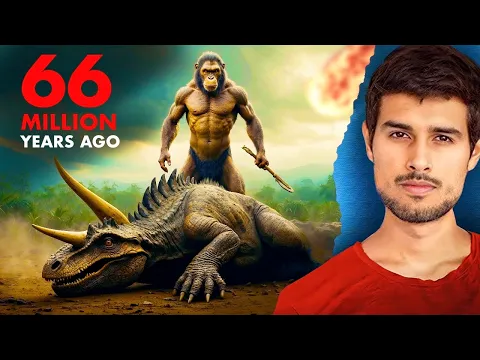
🦖"When Dinosaurs Ruled: 66 Million Years of Untold Stories"🦕


"When Dinosaurs Ruled: 66 Million Years of Untold Stories". I’ve structured it to be engaging, informative, and reflective of the natural world dinosaurs inhabited, while weaving in some lesser-known details to keep it fresh and intriguing.
🦖Introduction: A World Lost to Time
Imagine a planet where giants roamed—towering predators with teeth like daggers, gentle behemoths grazing prehistoric forests, and skies filled with winged reptiles. This was Earth 66 million years ago, a time when dinosaurs reigned supreme. Their extinction marked the end of an era, but their stories linger in fossils, rocks, and the very fabric of nature itself. Today, on March 1, 2025, we stand 66 million years removed from their downfall. Let’s journey back to uncover the untold tales of their world—a saga of survival, splendor, and sudden silence.
🦖The Age of Dinosaurs: A Snapshot of 66 Million Years Ago
The Mesozoic Era, spanning from 252 to 66 million years ago, was the golden age of dinosaurs. By the late Cretaceous period—right before their extinction—the Earth was a vibrant mosaic of ecosystems. Lush ferns and towering conifers dominated the landscapes, while flowering plants were just beginning to bloom, a quiet revolution in nature. Temperatures were warmer, with no polar ice caps, and continents were still shifting into their modern shapes. Dinosaurs thrived in this dynamic world, from the dense jungles of what’s now North America to the sprawling plains of ancient Mongolia.
- Tyrannosaurus Rex: The iconic tyrant lizard king stalked western North America, its bone-crushing jaws a testament to nature’s raw power.
- Triceratops: With its armored frill and horns, this herbivore roamed in herds, a living tank against predators.
- Pteranodon: Not a dinosaur but a pterosaur, it soared above with a wingspan rivaling a small plane, fishing from ancient seas.
🦖 Untold Stories: Beyond the Big Names
While T-Rex and Triceratops steal the spotlight, lesser-known dinosaurs tell equally compelling tales:
- Therizinosaurus: Picture a feathered, pot-bellied dinosaur with claws longer than your arm—up to 3 feet! Found in Asia, this bizarre herbivore likely used its scythe-like hands to rake foliage or deter attackers. Was it a gentle giant or a fierce defender? Fossils leave us guessing.
- Microraptor: A tiny, four-winged dinosaur from China, it glided through forests like a prehistoric kite. Covered in iridescent feathers, it hints at the link between dinosaurs and modern birds.
- Deinocheirus: For decades, only its massive arms were known—8 feet long with claws to match. When a full skeleton was found in 2014, it revealed a duck-billed, hump-backed oddity that waded through rivers, a true enigma of nature.
These creatures remind us that dinosaur diversity rivaled today’s wildlife, each adapted to a niche in their ancient ecosystems.
🦖 Nature’s Symphony: The Environment They Ruled
Dinosaurs didn’t just live in their world—they shaped it. Sauropods like Argentinosaurus, stretching over 100 feet, stripped forests bare, creating open patches where smaller species thrived. Predators like Allosaurus drove prey migrations, sculpting the rhythms of life. Insects, too, played their part—fossil dung reveals beetles feasting on dinosaur droppings, recycling nutrients in a bustling food web.
The air buzzed with unfamiliar sounds: the guttural roars of predators, the trumpeting calls of hadrosaurs like Parasaurolophus, whose hollow crests acted like natural trombones. Volcanoes rumbled, rivers carved the land, and the first flowers lured early pollinators. It was a wild, untamed Earth—a masterpiece of chaos and harmony.
🦖 The Cataclysm: 66 Million Years Ago
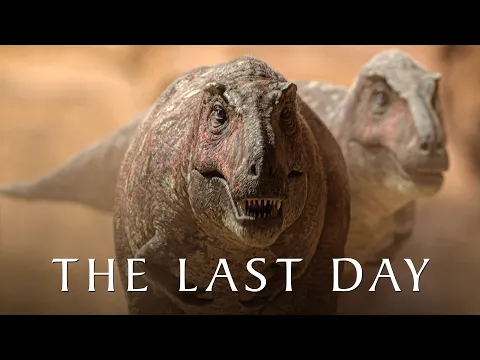
Then, in a blink of geological time, it ended. Around 66 million years ago, a 6-mile-wide asteroid slammed into what’s now the Yucatán Peninsula, forming the Chicxulub crater. The impact unleashed wildfires, tsunamis, and a dust cloud that choked the skies, plunging Earth into a cold, dark “impact winter.” Within hours, the reign of dinosaurs crumbled.
But not all was lost. Small, feathered dinosaurs—ancestors of birds—survived, as did mammals, crocodiles, and turtles. The asteroid didn’t just destroy; it reset nature’s course, paving the way for us.
🦖66 Million Years Later: Their Legacy in Today’s Nature
Today, birds carry the torch of dinosaur lineage—think of a sparrow as a tiny, living theropod. Fossils unearthed in 2024 from Antarctica even suggest some dinosaurs endured harsher climates than we thought, hinting at their resilience. And the oil we drill? It’s partly decayed remnants of their world—plants and plankton from their seas.
Their untold stories live on in the rocks, in museums, and in our imagination. Every discovery—a new species, a preserved footprint—adds a chapter to their saga.
🦖Conclusion: A Timeless Tale
Sixty-six million years ago, dinosaurs ruled a nature we can barely fathom. Their untold stories—of bizarre forms, epic struggles, and a world-shaking end—remind us of life’s fragility and tenacity. As we stand in 2025, peering back through time, their legacy whispers a challenge: to explore, to wonder, and to protect the nature we’ve inherited from their ashes.
list of all countries in the world, recognized as sovereign nations (as of April 1, 2025). There are 195 countries currently, consisting of 193 member states of the United Nations and 2 observer states:
1. Afghanistan
2. Albania
3. Algeria
4. Andorra
5. Angola
6. Antigua and Barbuda
7. Argentina
8. Armenia
9. Australia
10. Austria
11. Azerbaijan
12. Bahamas
13. Bahrain
14. Bangladesh
15. Barbados
16. Belarus
17. Belgium
18. Belize
19. Benin
20. Bhutan
21. Bolivia
22. Bosnia and Herzegovina
23. Botswana
24. Brazil
25. Brunei
26. Bulgaria
27. Burkina Faso
28. Burundi
29. Cambodia
30. Cameroon
31. Canada
32. Cape Verde
33. Central African Republic
34. Chad
35. Chile
36. China
37. Colombia
38. Comoros
39. Congo, Democratic Republic of the
40. Congo, Republic of the
41. Costa Rica
42. Croatia
43. Cuba
44. Cyprus
45. Czech Republic
46. Denmark
47. Djibouti
48. Dominica
49. Dominican Republic
50. East Timor (Timor-Leste)
51. Ecuador
52. Egypt
53. El Salvador
54. Equatorial Guinea
55. Eritrea
56. Estonia
57. Eswatini
58. Ethiopia
59. Fiji
60. Finland
61. France
62. Gabon
63. Gambia
64. Georgia
65. Germany
66. Ghana
67. Greece
68. Grenada
69. Guatemala
70. Guinea
71. Guinea-Bissau
72. Guyana
73. Haiti
74. Honduras
75. Hungary
76. Iceland
77. India
78. Indonesia
79. Iran
80. Iraq
81. Ireland
82. Israel
83. Italy
84. Jamaica
85. Japan
86. Jordan
87. Kazakhstan
88. Kenya
89. Kiribati
90. Korea, North
91. Korea, South
92. Kuwait
93. Kyrgyzstan
94. Laos
95. Latvia
96. Lebanon
97. Lesotho
98. Liberia
99. Libya
100. Liechtenstein
101. Lithuania
102. Luxembourg
103. Madagascar
104. Malawi
105. Malaysia
106. Maldives
107. Mali
108. Malta
109. Marshall Islands
110. Mauritania
111. Mauritius
112. Mexico
113. Micronesia
114. Moldova
115. Monaco
116. Mongolia
117. Montenegro
118. Morocco
119. Mozambique
120. Myanmar
121. Namibia
122. Nauru
123. Nepal
124. Netherlands
125. New Zealand
126. Nicaragua
127. Niger
128. Nigeria
129. North Macedonia
130. Norway
131. Oman
132. Pakistan
133. Palau
134. Panama
135. Papua New Guinea
136. Paraguay
137. Peru
138. Philippines
139. Poland
140. Portugal
141. Qatar
142. Romania
143. Russia
144. Rwanda
145. Saint Kitts and Nevis
146. Saint Lucia
147. Saint Vincent and the Grenadines
148. Samoa
149. San Marino
150. Sao Tome and Principe
151. Saudi Arabia
152. Senegal
153. Serbia
154. Seychelles
155. Sierra Leone
156. Singapore
157. Slovakia
158. Slovenia
159. Solomon Islands
160. Somalia
161. South Africa
162. South Sudan
163. Spain
164. Sri Lanka
165. Sudan
166. Suriname
167. Sweden
168. Switzerland
169. Syria
170. Taiwan* (recognized by some as a separate entity, though not a UN member)
171. Tajikistan
172. Tanzania
173. Thailand
174. Togo
175. Tonga
176. Trinidad and Tobago
177. Tunisia
178. Turkey
179. Turkmenistan
180. Tuvalu
181. Uganda
182. Ukraine
183. United Arab Emirates
184. United Kingdom
185. United States
186. Uruguay
187. Uzbekistan
188. Vanuatu
189. Vatican City (Holy See)
190. Venezuela
191. Vietnam
192. Yemen
193. Zambia
194. Zimbabwe
Notes:
- Taiwan: Included here as it functions as a separate entity with its own government, but its sovereignty is disputed and not universally recognized.
- Palestine: Recognized as a non-member observer state by the UN, alongside Vatican City.


Nature & Animals Quotes ...
1. "Look deep into nature, and then you will understand everything better." — Albert Einstein
2. "In every walk with nature, one receives far more than he seeks." — John Muir
3. "The clearest way into the Universe is through a forest wilderness." — John Muir
4. "Nature does not hurry, yet everything is accomplished." — Lao Tzu
5. "Animals are such agreeable friends—they ask no questions; they pass no criticisms." — George Eliot
6. "Until one has loved an animal, a part of one's soul remains unawakened." — Anatole France
7. "The greatness of a nation and its moral progress can be judged by the way its animals are treated." — Mahatma Gandhi
8. "Adopt the pace of nature: her secret is patience." — Ralph Waldo Emerson
9. "The love for all living creatures is the most noble attribute of man." — Charles Darwin
10. "Heaven is under our feet as well as over our heads." — Henry David Thoreau
Nature and Animals quotes...
Nature Quotes...!
1. "In every walk with nature, one receives far more than he seeks." - John Muir
2. "Nature is not a place to visit. It is home." - Gary Snyder
3. "The clearest way into the Universe is through a forest wilderness." - John Muir
4. "Nature is painting for us, day after day, pictures of infinite beauty." - John Ruskin
5. "The earth has music for those who listen." - William Shakespeare
Animal Quotes...!
1. "The greatness of a nation and its moral progress can be judged by the way its animals are treated." - Mahatma Gandhi
2. "Animals are not our whole lives, but they make our lives whole." - Roger A. Caras
3. "The animal kingdom is a mighty and wondrous realm, full of mystery and awe." - Unknown
4. "We can judge the heart of a man by his treatment of animals." - Immanuel Kant
5. "All animals are equal, but some animals are more equal than others." - George Orwell
Quotes About Nature and Animals Together...!
1. "Nature is the art of God, and animals are His masterpiece."
2. "In nature, animals are not just creatures, they are our companions."
3. "The natural world is the greatest source of inspiration for human beings, and animals are an integral part of it."
4. "By respecting animals and nature, we respect ourselves and our place in the world."
5. "Nature and animals are not just something to be admired, but something to be protected and preserved."


Inspiring and informative nature
Nature Lover
"
Nature and Animals Quotes...


Nature Quotes...!
1. "Nature's beauty is a balm, healing heart and soul."
2. "In nature's arms, we find solace, peace, and tranquility."
3. "The earth's rhythms are a symphony, playing in harmony with our souls."
4. "Nature's splendor is a treasure, waiting to be cherished and preserved."
5. "In the stillness of nature, we discover the music of our own hearts."
Animal Quotes...!
1. "Animals are messengers, reminding us of the beauty and wonder of life."
2. "Their eyes hold stories, their hearts beat with love, and their spirits soar with freedom."
3. "In their innocence, we find our own, and in their love, we discover the beauty of connection."
4. "Animals teach us to live in harmony, to respect, and to care for one another."
5. "Their presence in our lives is a gift, reminding us of the preciousness and fragility of life
6. "In the harmony of nature and animals, we find the rhythm of life."
7. "Together, they remind us of the interconnectedness of all living beings."
8. "Nature and animals are a canvas, painted with vibrant colors of life, love, and beauty."
9. "Their symphony is a celebration, reminding us of the preciousness and wonder of life."
10. "In their union, we find our own place in the web of life, connected and interdependent."
Nature & Animals Quotes...
Nature Quotes...!
1. "Nature's whispers are the secrets to a peaceful soul."
2. "The earth's beauty is a reflection of our own inner light."
3. "In nature's arms, we find solace, comfort, and peace."
4. "The wilderness is a canvas, painted with colors of freedom."
5. "Nature's rhythms are the beat of our own heart's drum."
Animal Quotes...!
1. "Animals are the guardians of our hearts, teaching us love and compassion."
2. "Their presence in our lives is a reminder of the beauty of simplicity."
3. "In their eyes, we see the innocence and wonder of life."
4. "Animals are the bridges that connect us to the natural world."
5. "Their love and loyalty are the greatest gifts we can receive."


Nature & Animals Quotes ...


1. "The sun's warmth is a hug from the universe, reminding us of the love and light that surrounds us."
2. "The stars are diamonds scattered across the velvet sky, inspiring us to dream big and reach for the impossible."
3. "The ocean's waves are a symphony, playing in harmony with our own heartbeats and reminding us of the power and beauty of nature."
4. "The forest is a cathedral, its trees towering above us like sentinels of the soul, reminding us of the sacredness of life."
5. "Nature's beauty is a gift, a reminder of the wonder and magic that awaits us in the world around us."
Nature & Animals Quotes ...
1. "In every walk with nature, one receives far more than he seeks." – John Muir
2. "The clearest way into the Universe is through a forest wilderness." – John Muir
3. "The earth has music for those who listen." – George Santayana
4. "What we are doing to the forests of the world is but a mirror reflection of what we are doing to ourselves and to our fellow man." – Mahatma Gandhi
5. "An animal’s eyes have the power to speak a great language." – Martin Buber
6. "The greatness of a nation and its moral progress can be judged by the way its animals are treated." – Mahatma Gandhi
7. "The poetry of the earth is never dead." – John Keats
8. "Animals are such agreeable friends—they ask no questions; they pass no criticisms." – George Eliot
9. "To me, a lush carpet of pine needles or a garden path is more welcoming than the most beautiful beach." – Chuck Palahniuk
10. "The most remarkable thing about this world is its wild beauty." – Anonymous


As a nature lover, I'm always looking for new ways to learn about and appreciate the outdoors. This website has become my go-to resource for inspiration and education. - Sarah T.


★★★★★
Sarah T.


"I love how this website celebrates the beauty of nature, while also highlighting the importance of conservation and sustainability. It's a truly inspiring resource."
- Clarice Turner


Nature's beauty, at my fingertips. Love this site !
- John. D

keep smile 😊💚
Nature's, wildlife Or Ayurvedic Free knowledge in One platform .
Welcome
YOUR HAPPINESS,
OUR HAPPINESS
© 2025. All rights reserved. LUCKY EMPIRES


Nature's Blog
Story
Wildlife Blog
Nature's Gallery HD
Ayurvedic Gyan

My name is Spandan Sahoo. I help poor children and homeless people by arranging shelter for them. I also provide food, clothing, and an education system for the children.
I am currently 19 years old and do not have enough funds, which is now causing problems in providing food and other essentials. Despite proving my work, I am not receiving any government support.
That’s why I have mentioned my account scanner (QR code) for help. Even small contributions of ₹5, ₹10, or ₹50 would mean a lot. 🙏🏻 This is not a lie. Please help, I sincerely request you.